Your Cart is Empty

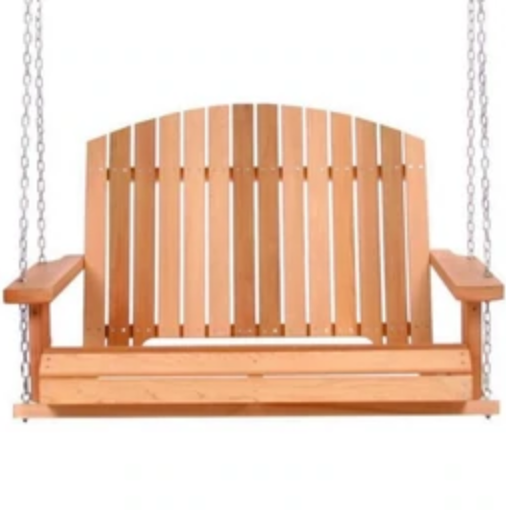
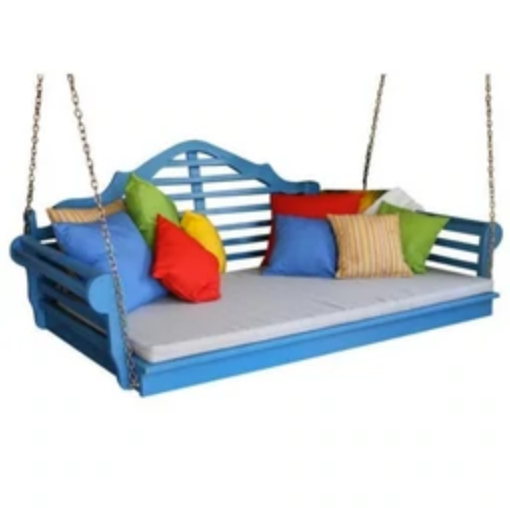
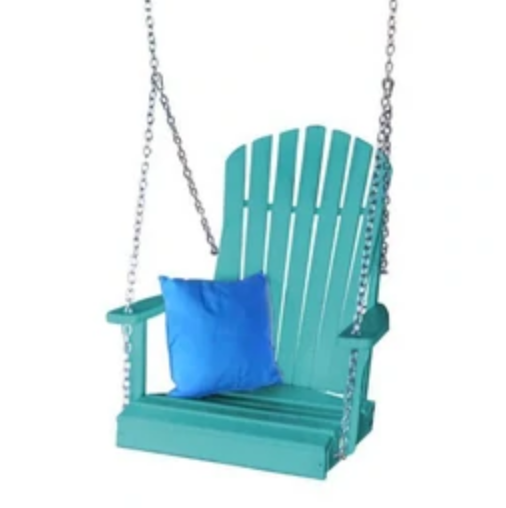
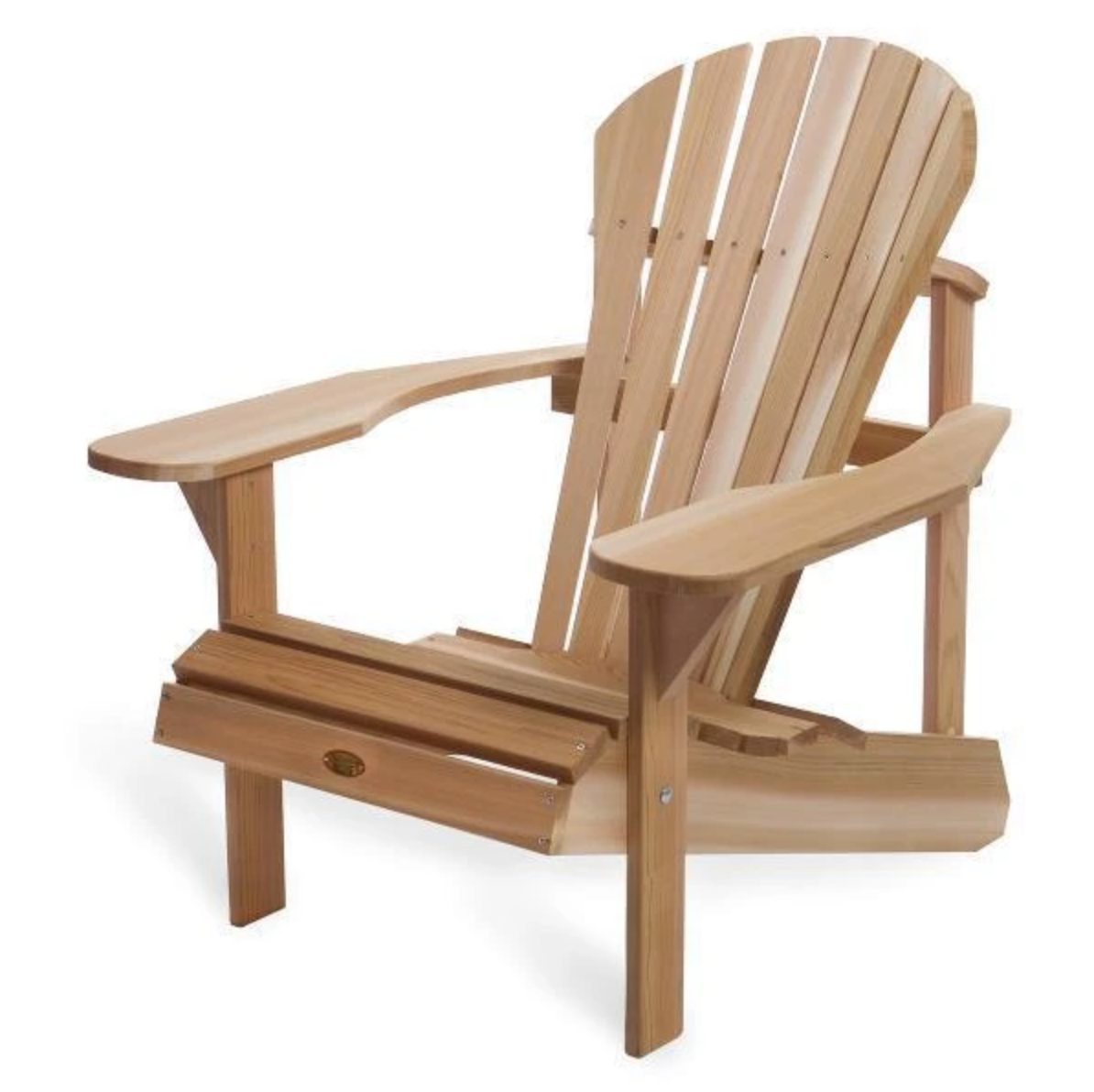
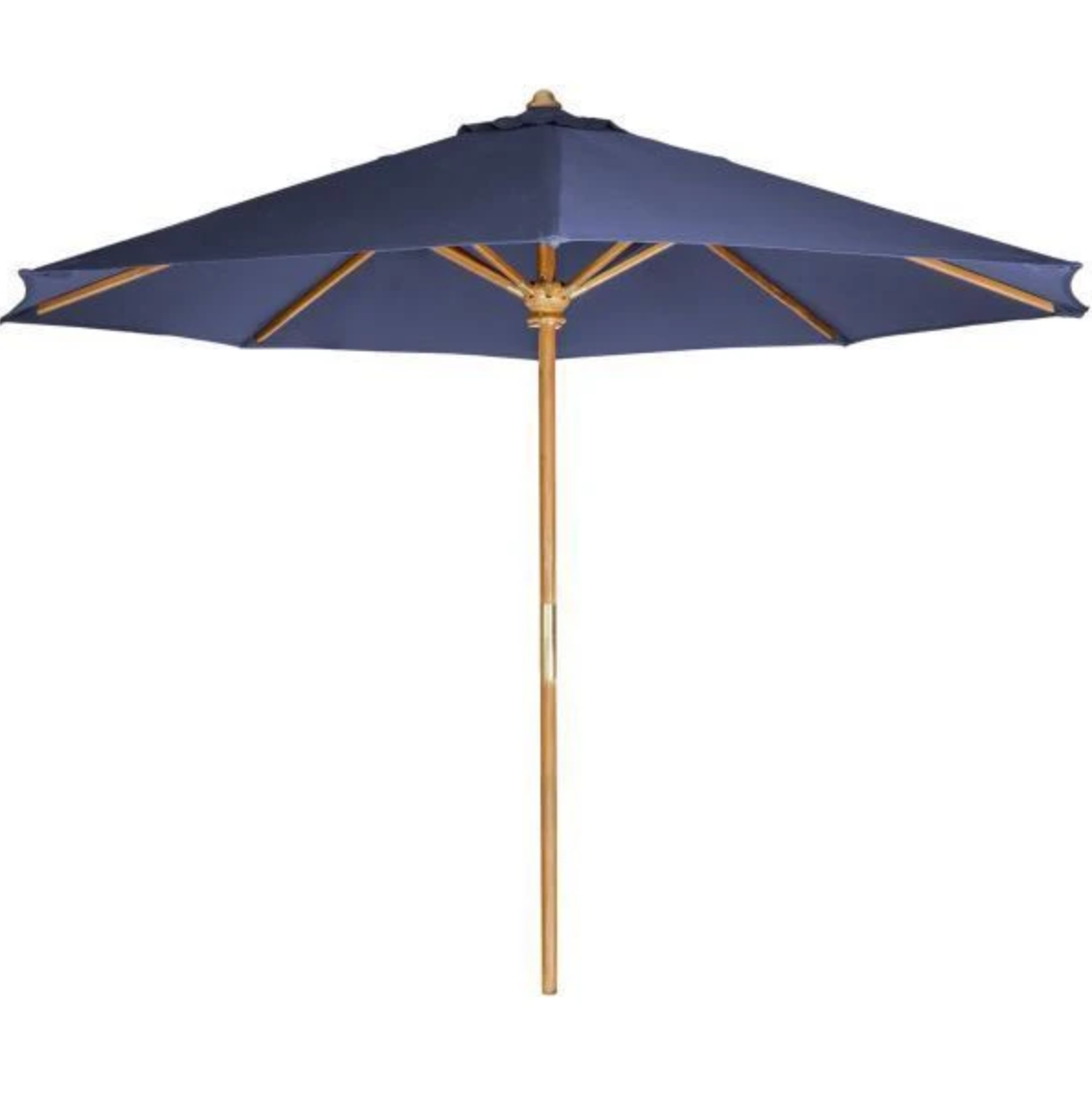
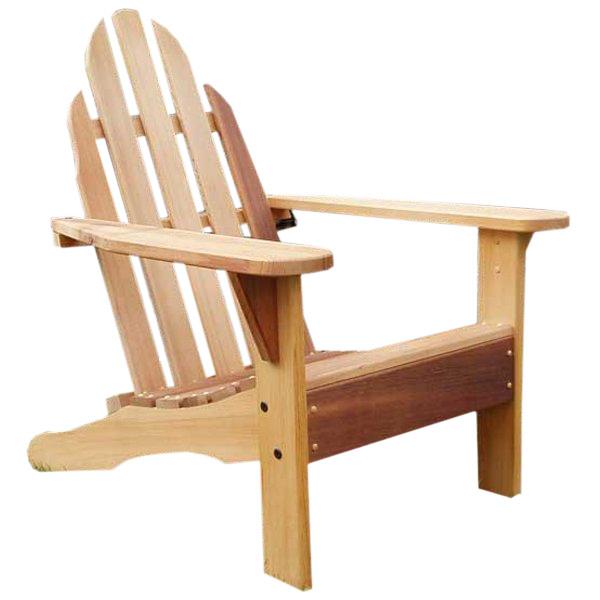
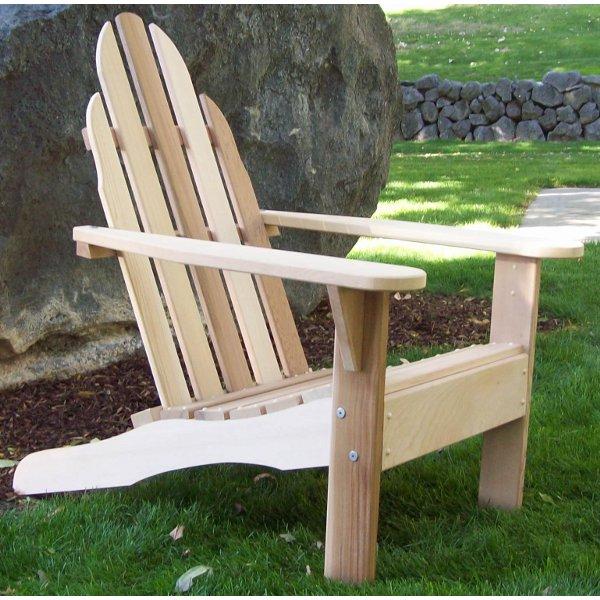
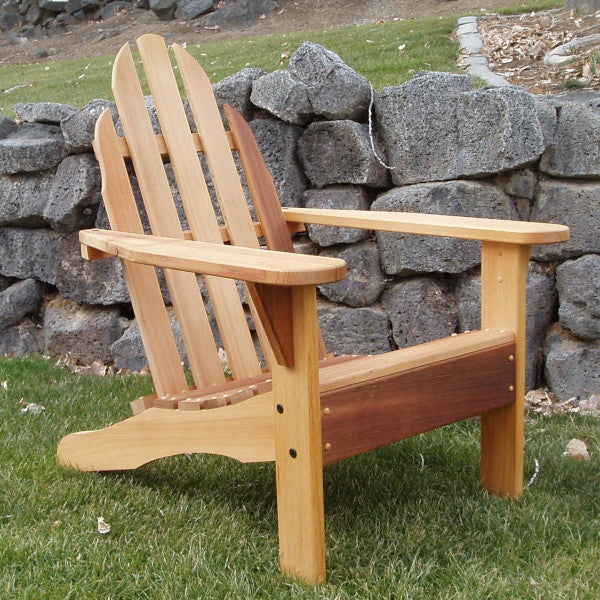
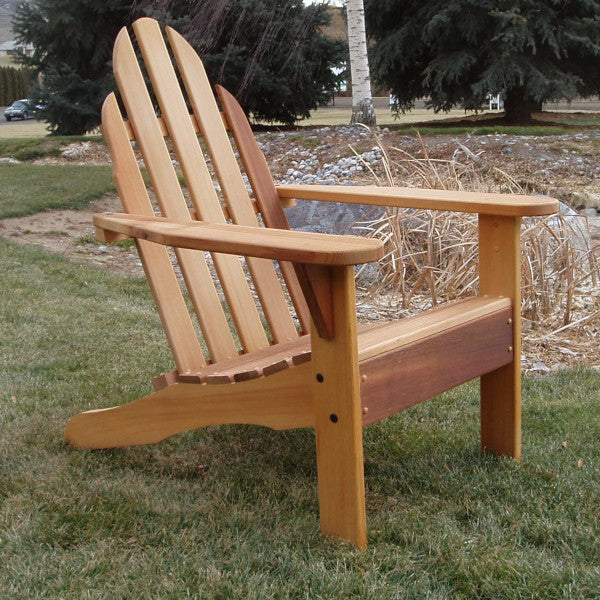
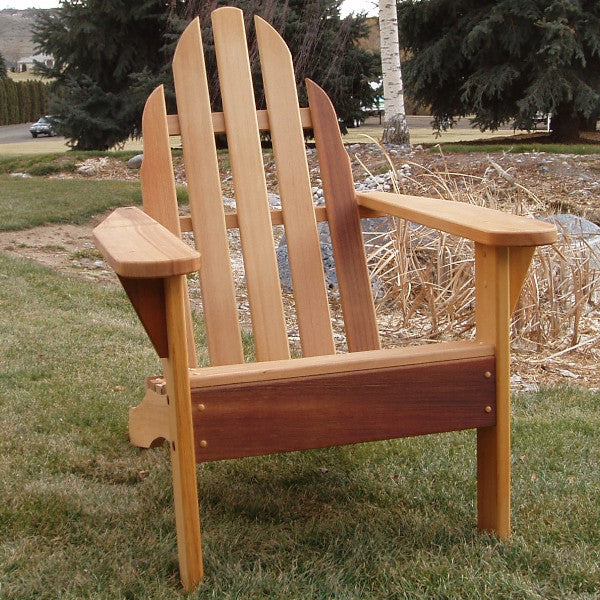
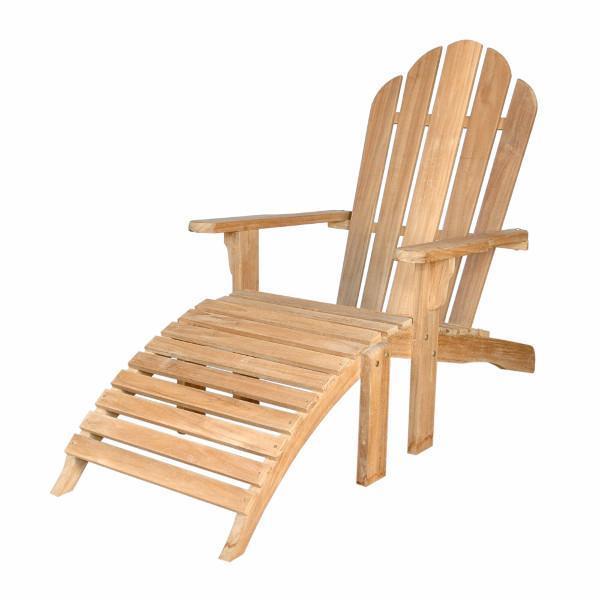
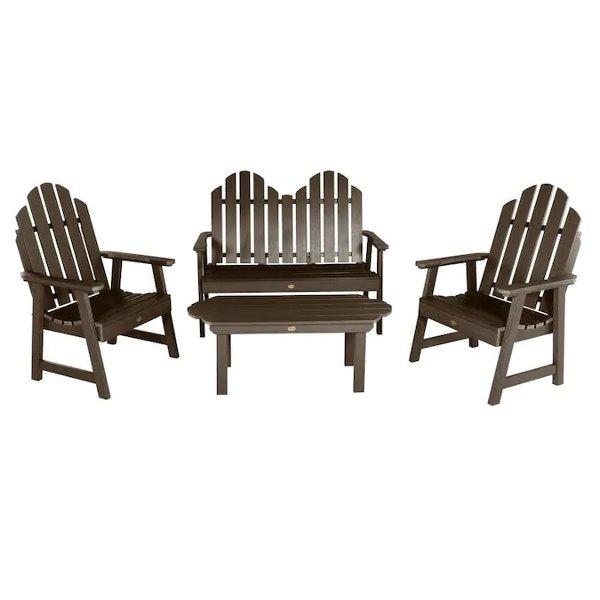
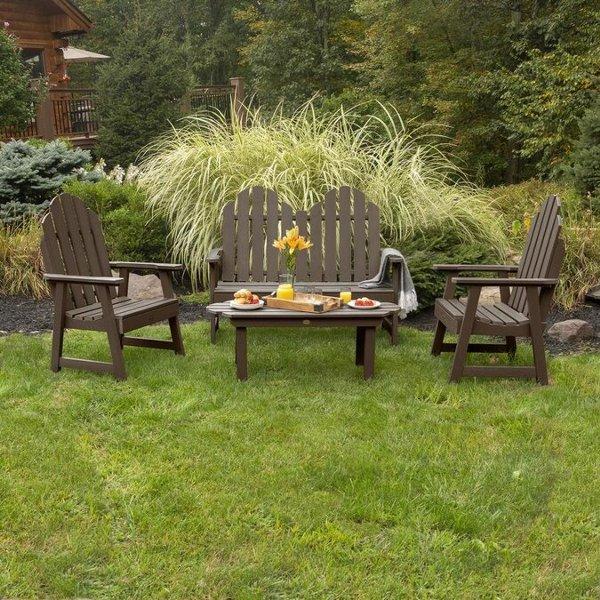
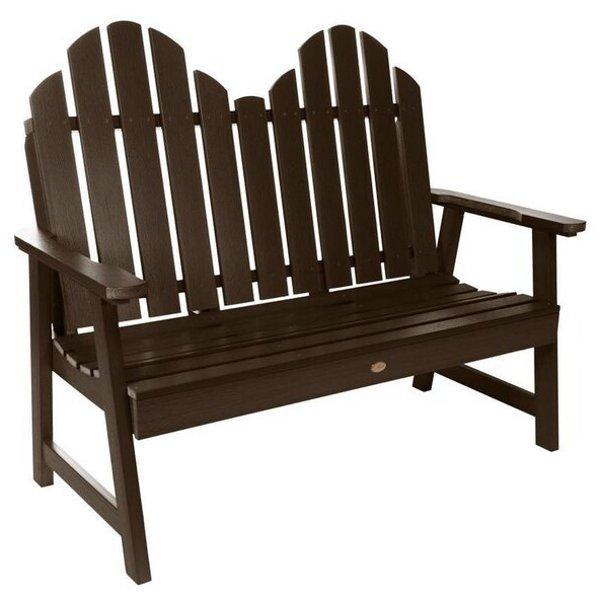
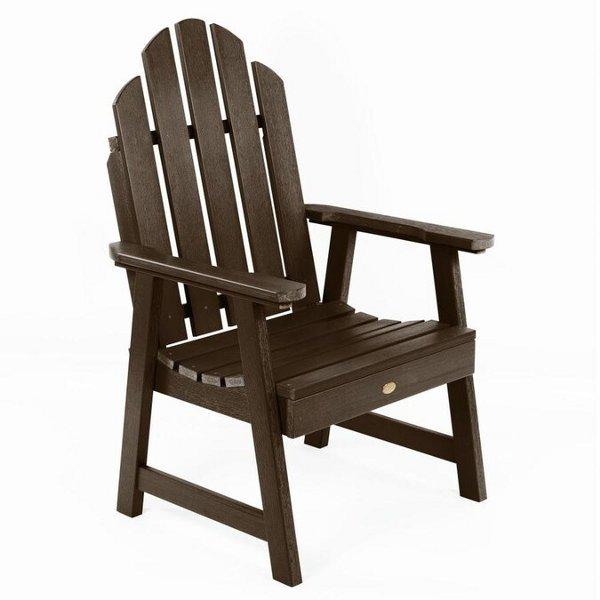
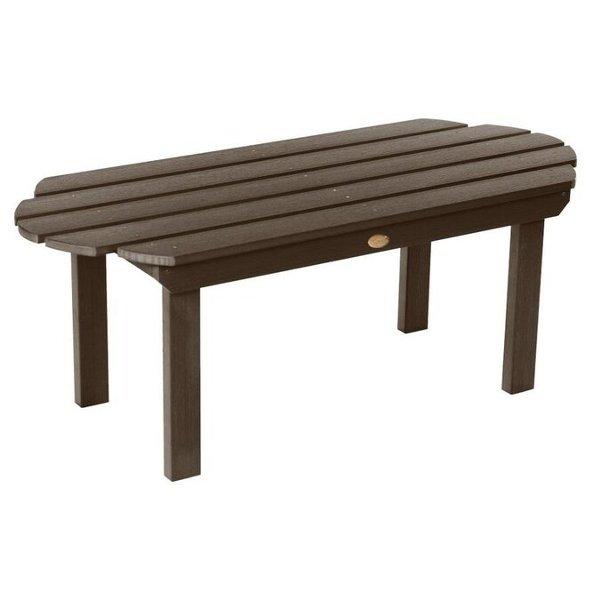
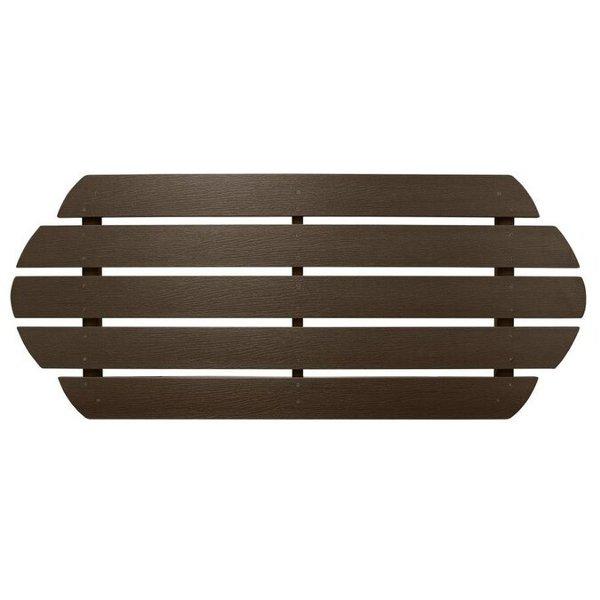
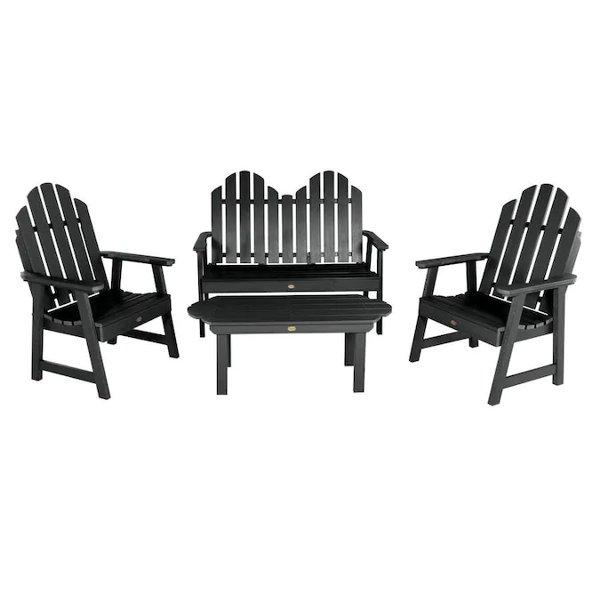
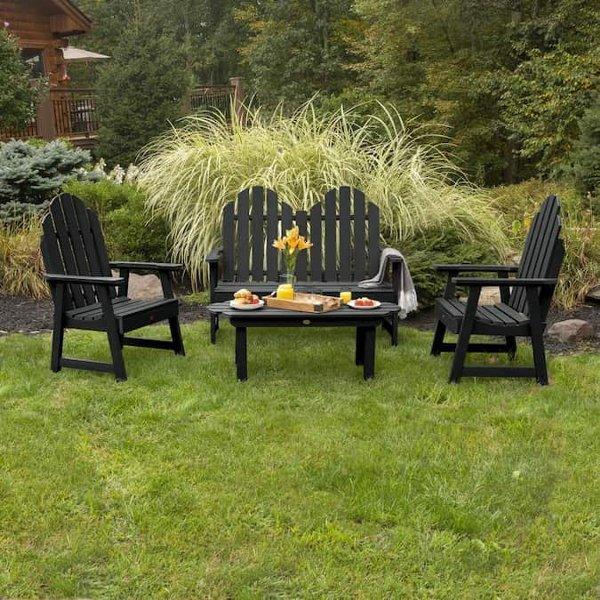
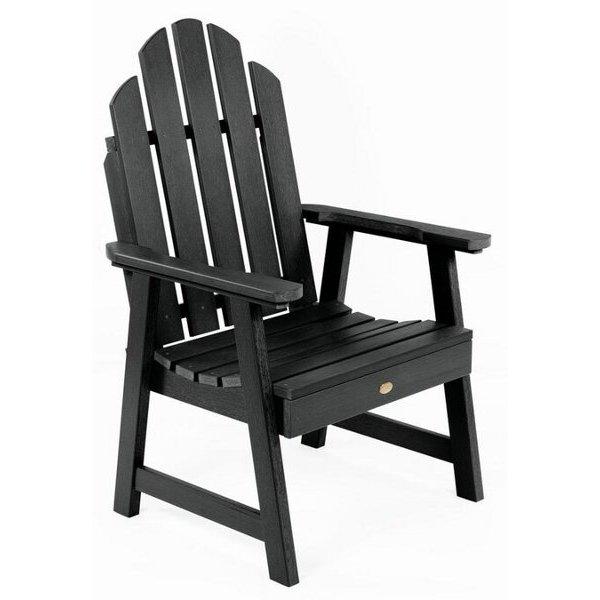
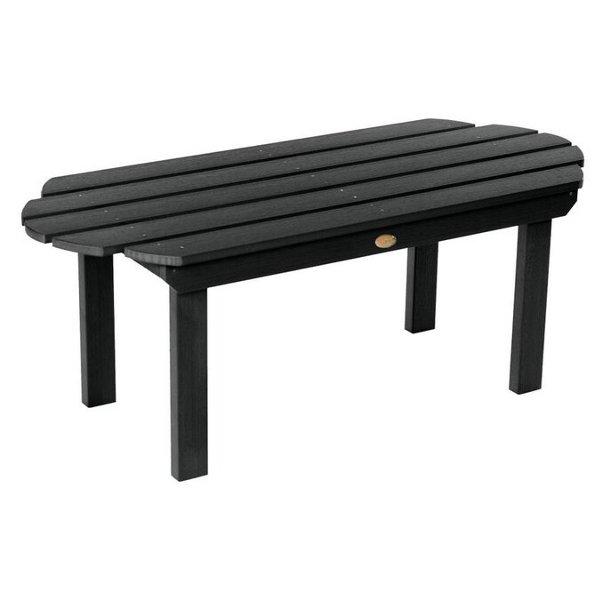
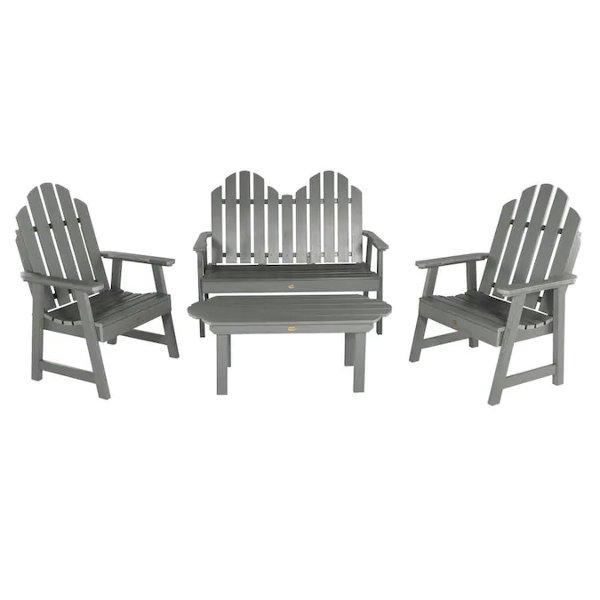
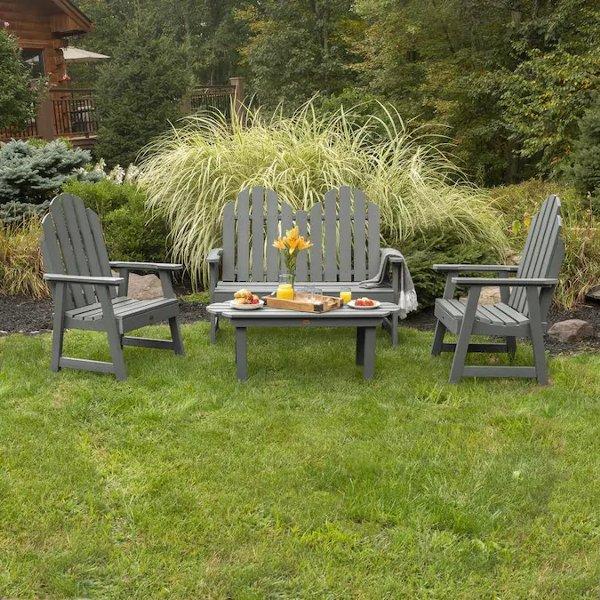
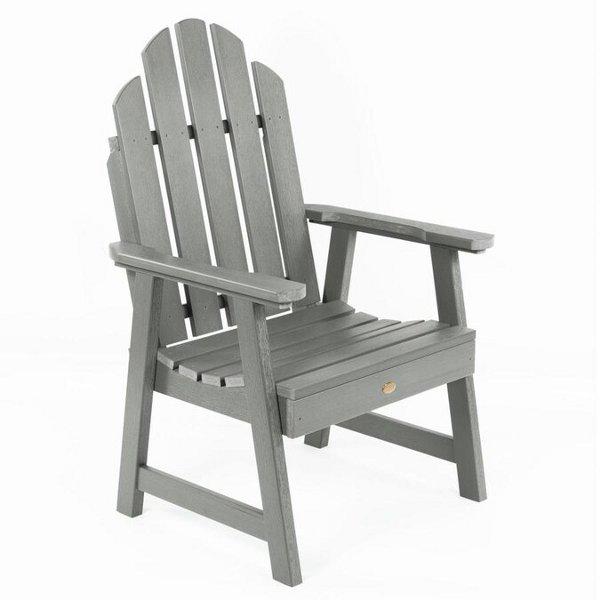
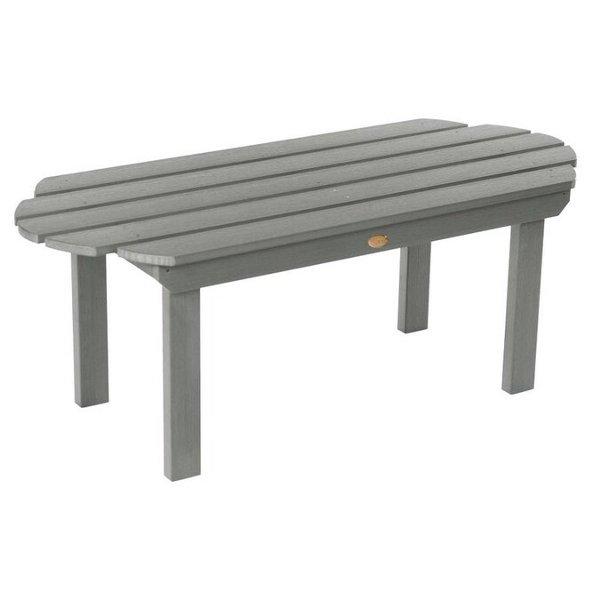
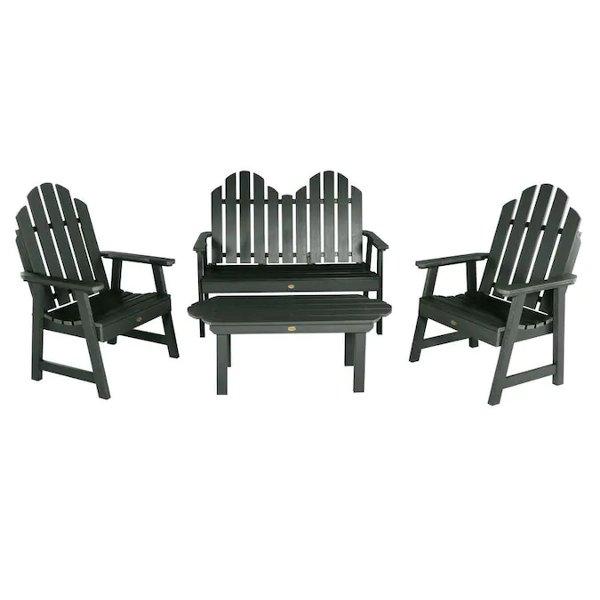
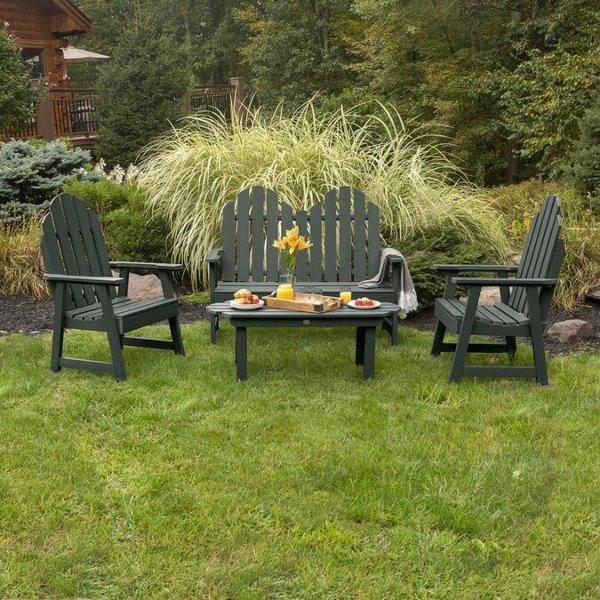
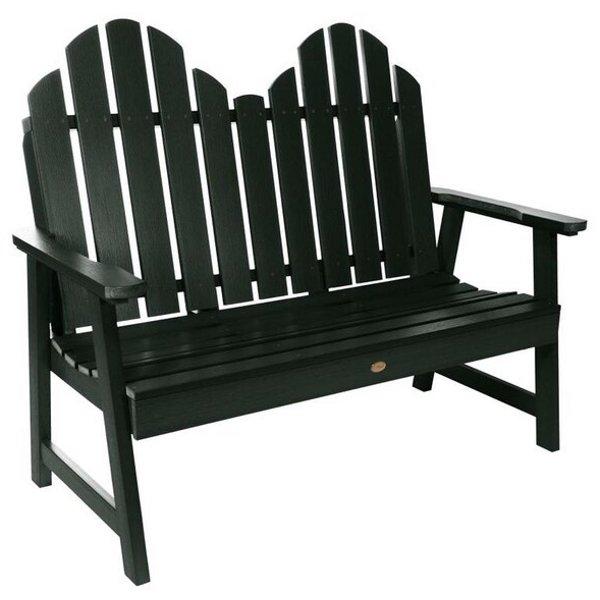
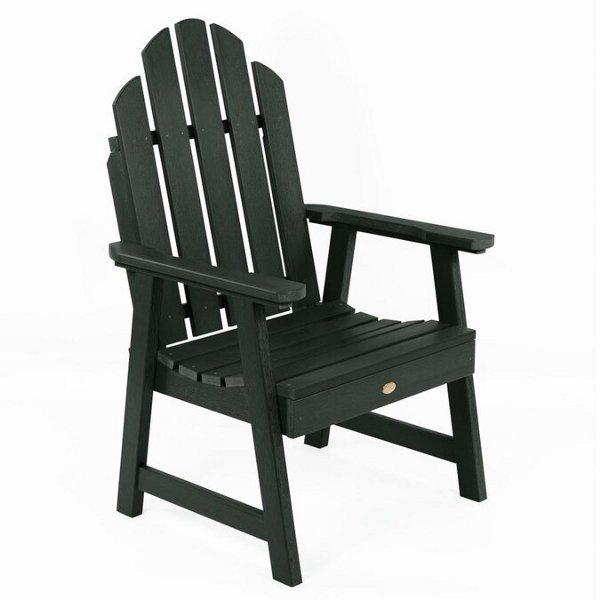
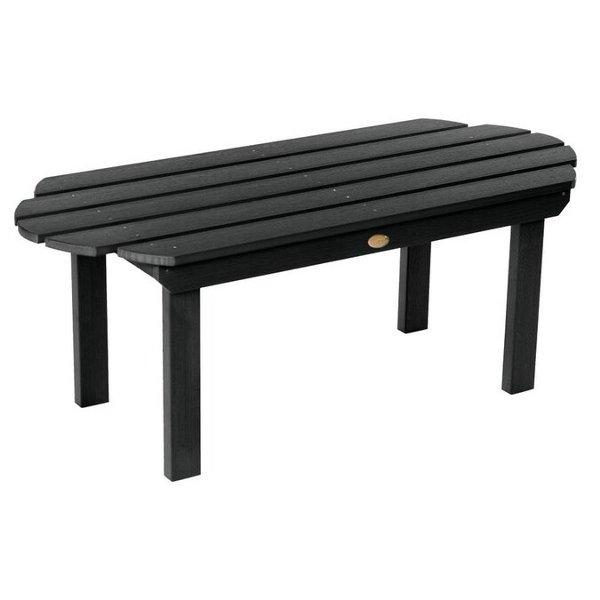
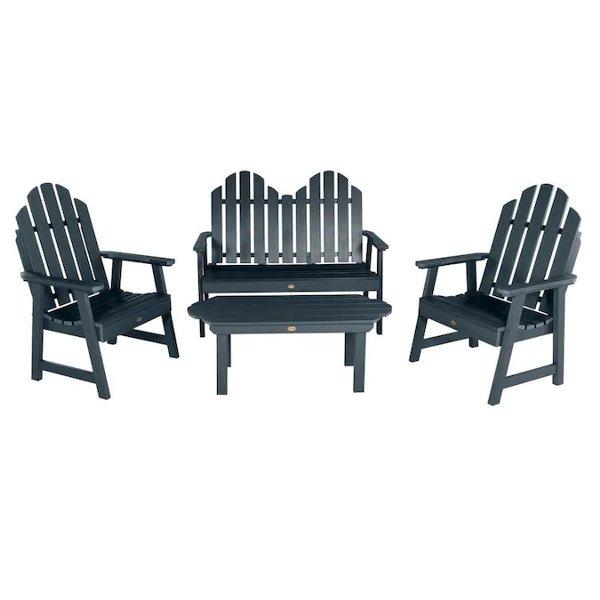
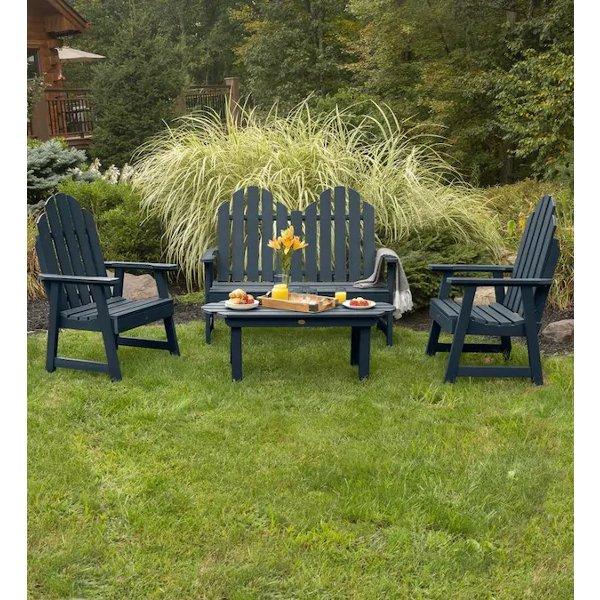
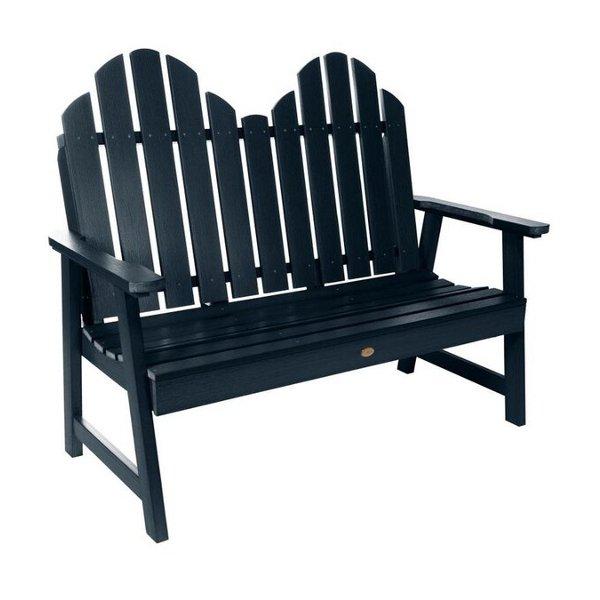
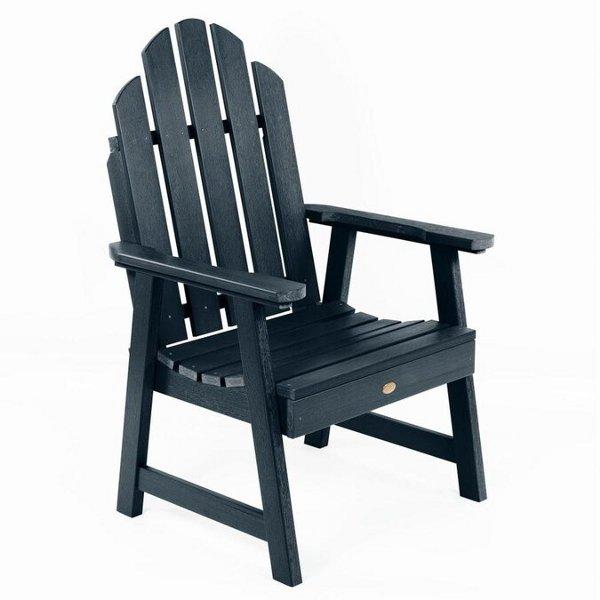
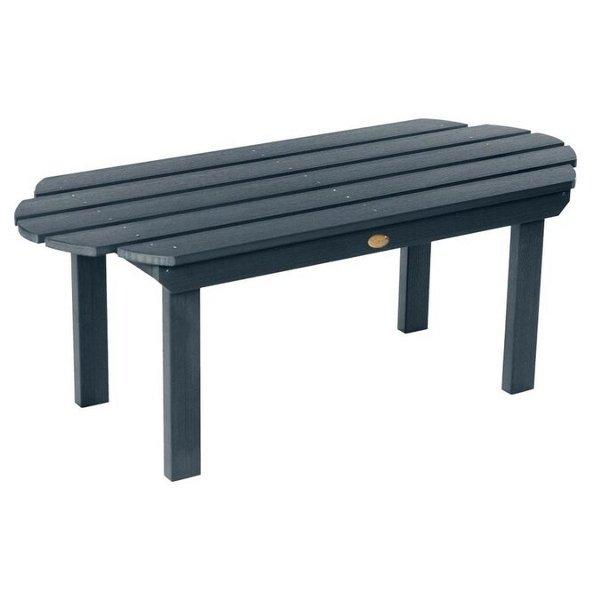
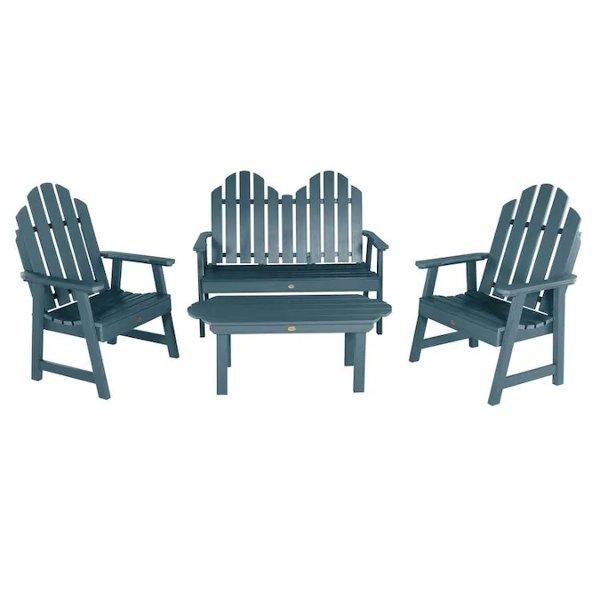
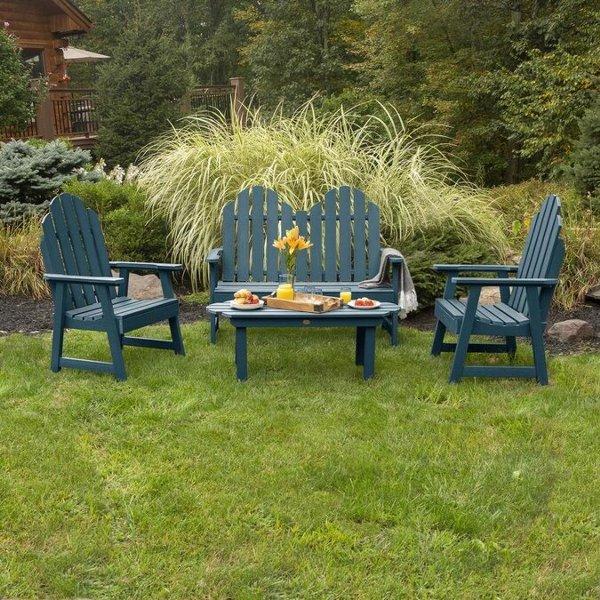
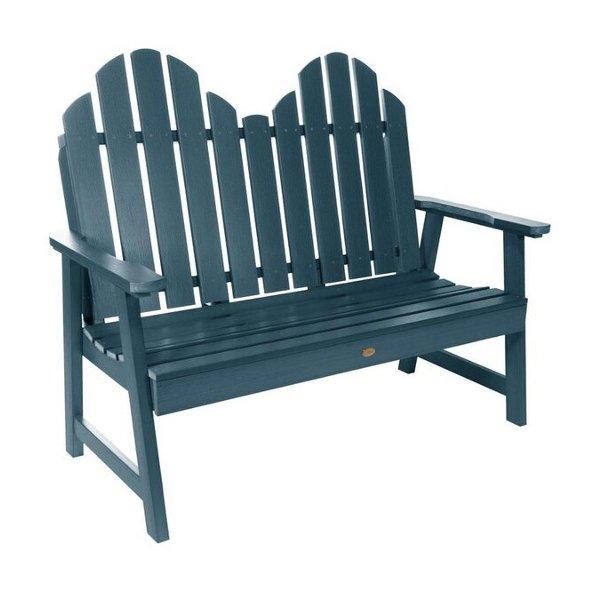
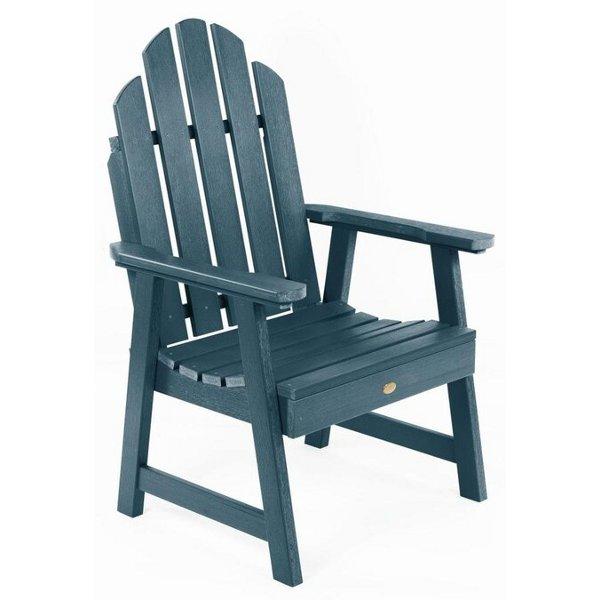
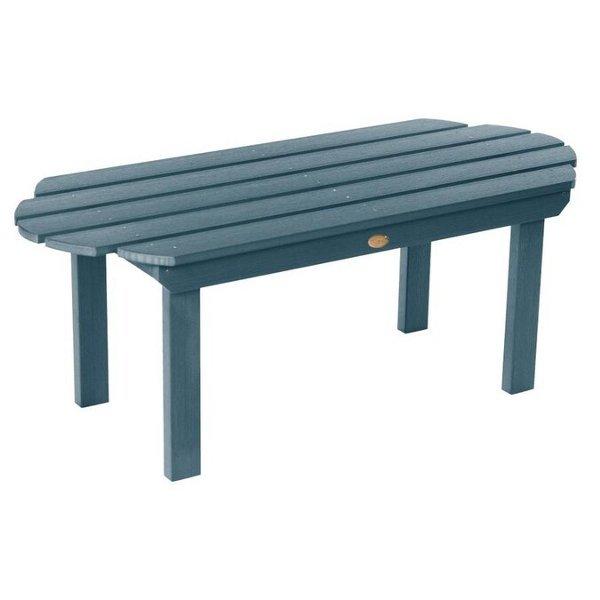
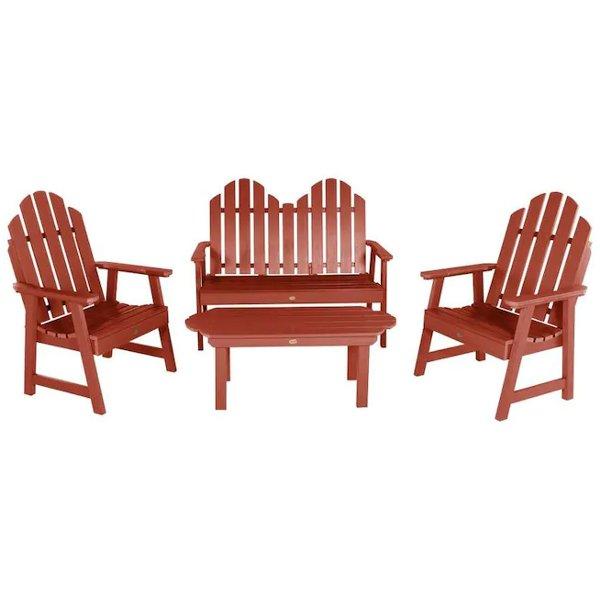
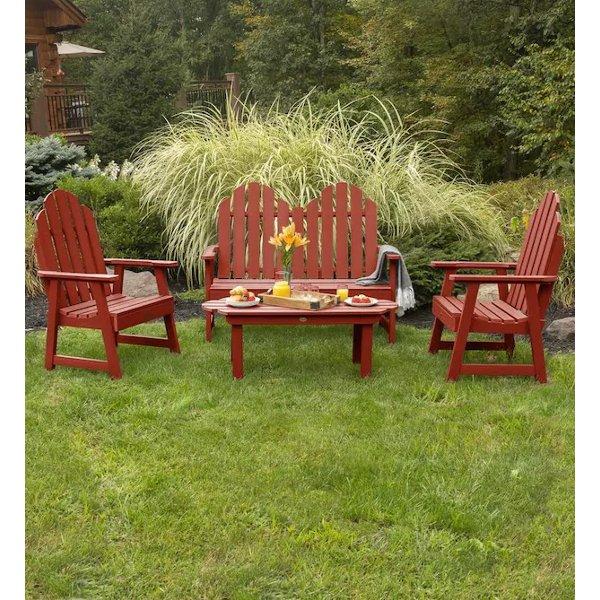
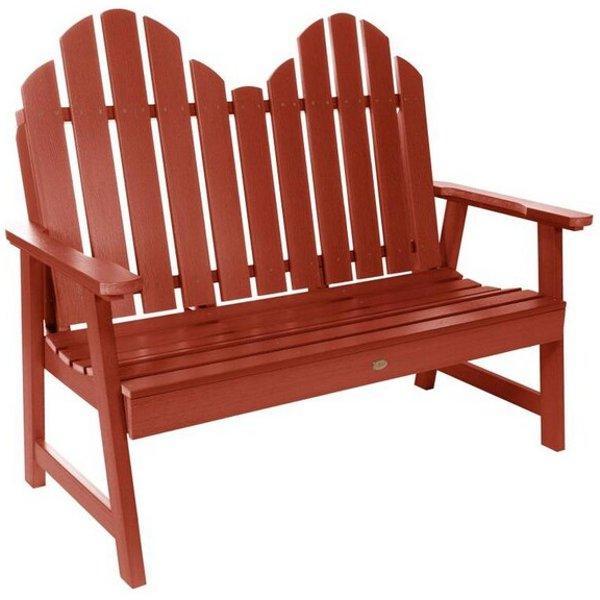
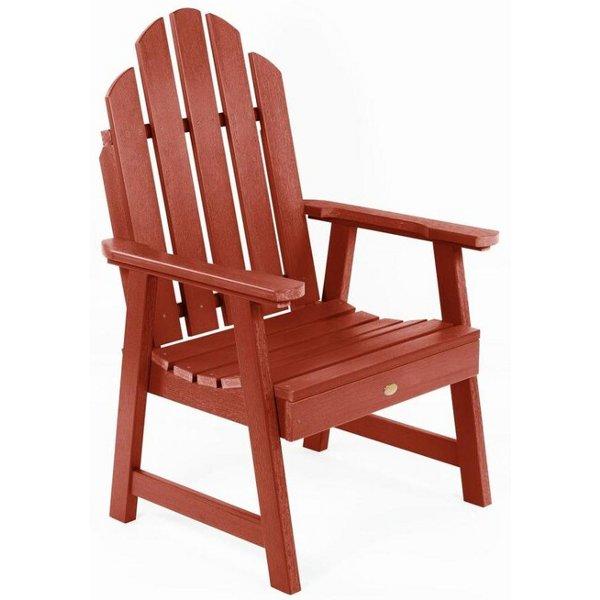
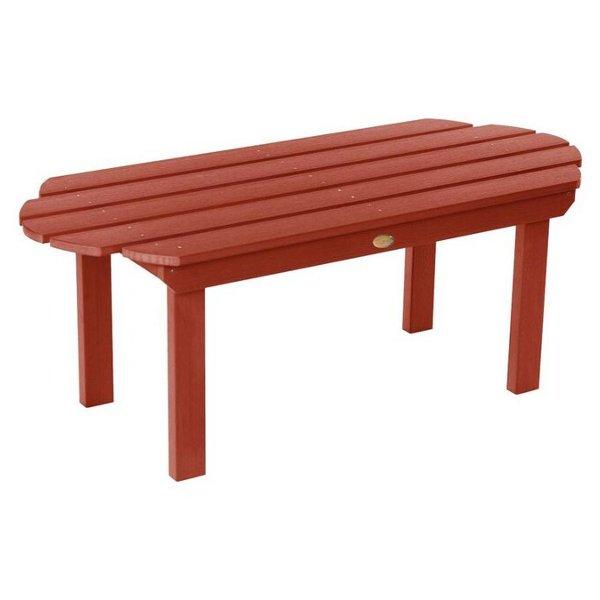
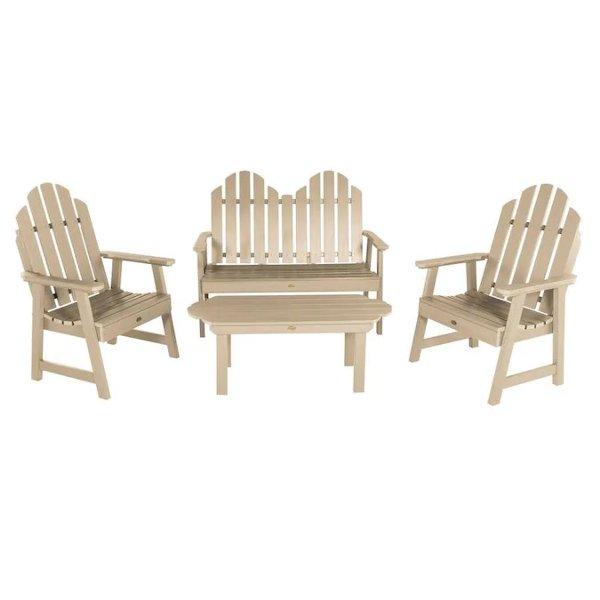
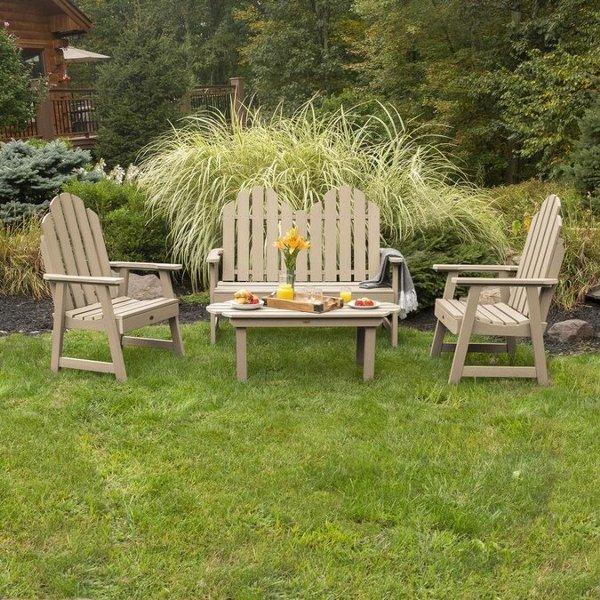
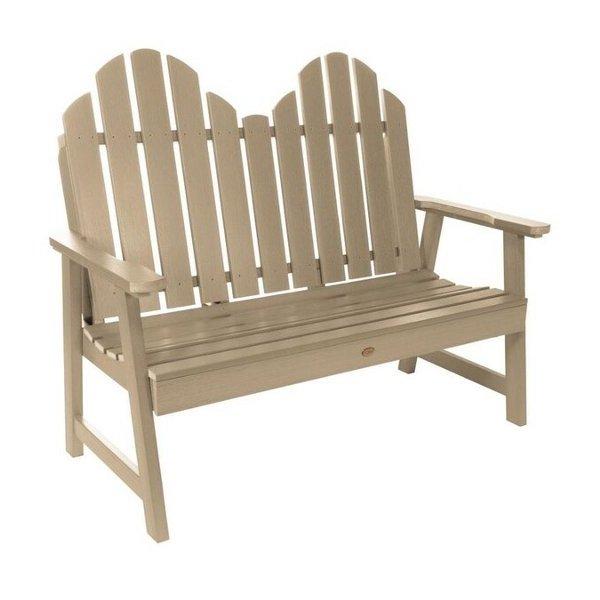
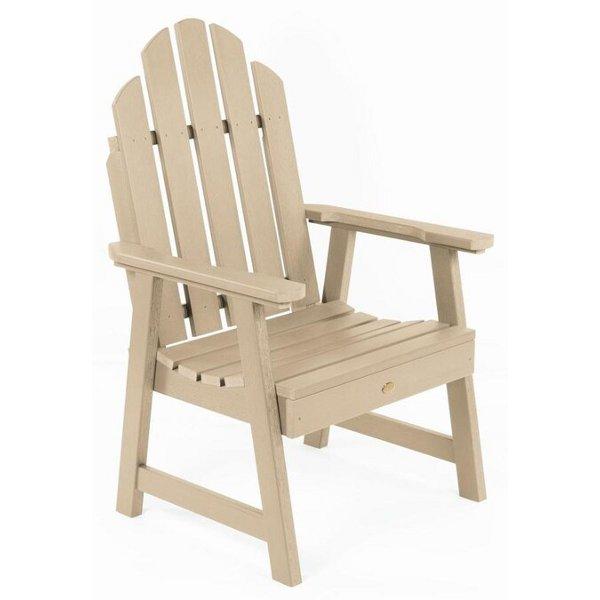
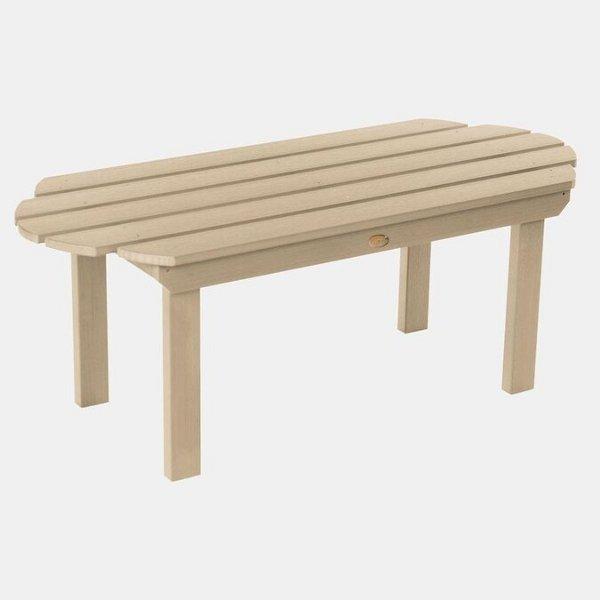
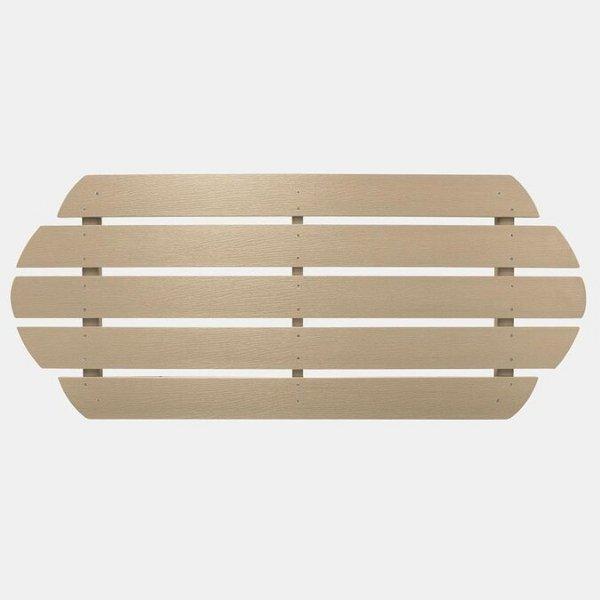
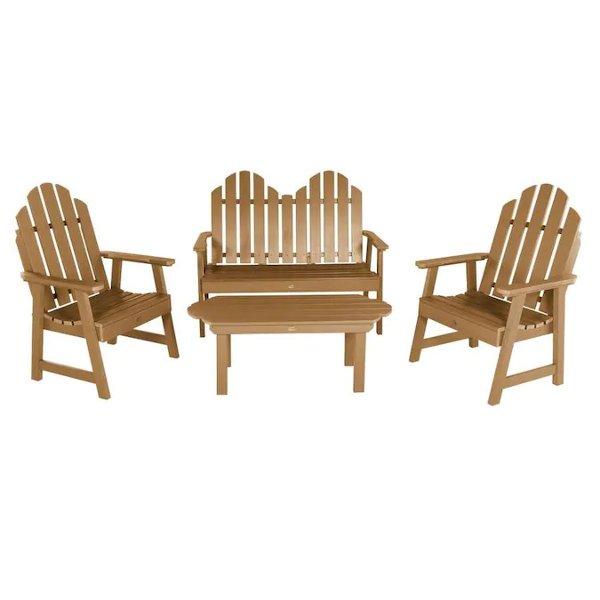
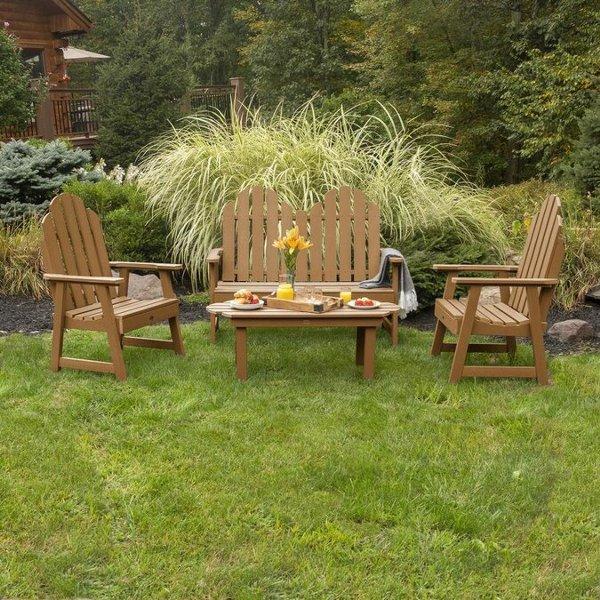
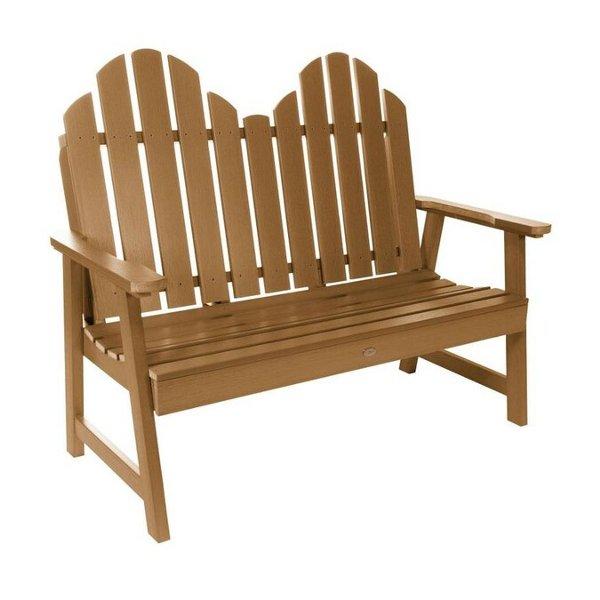
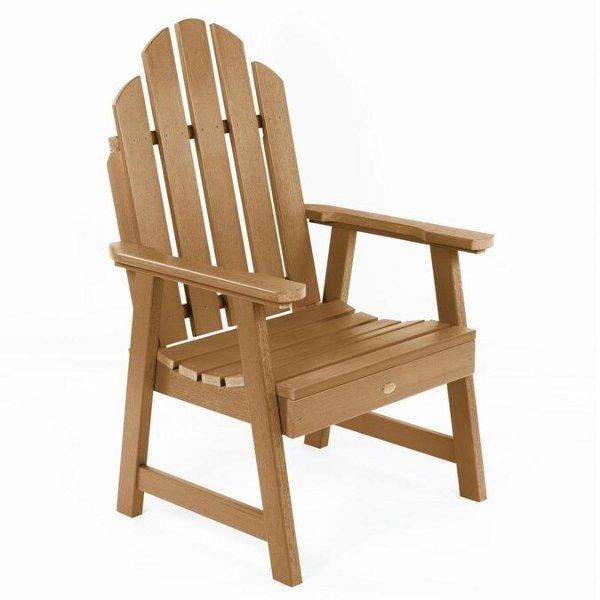
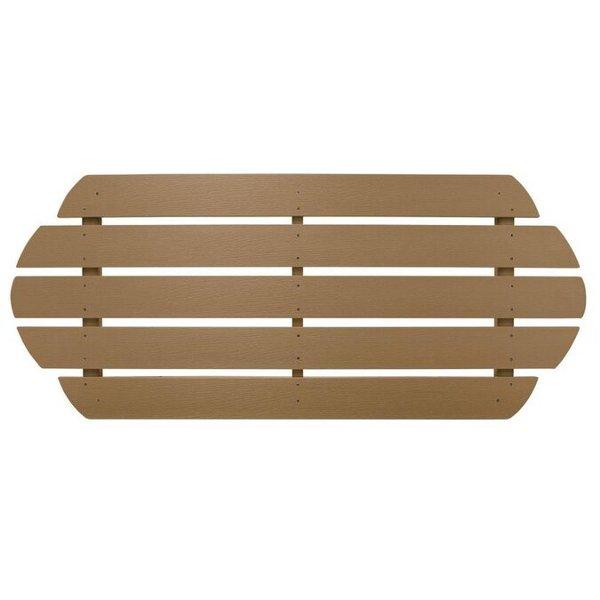
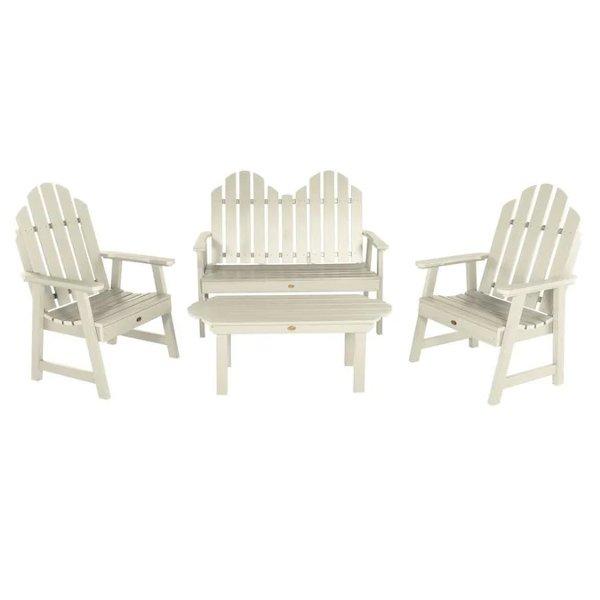
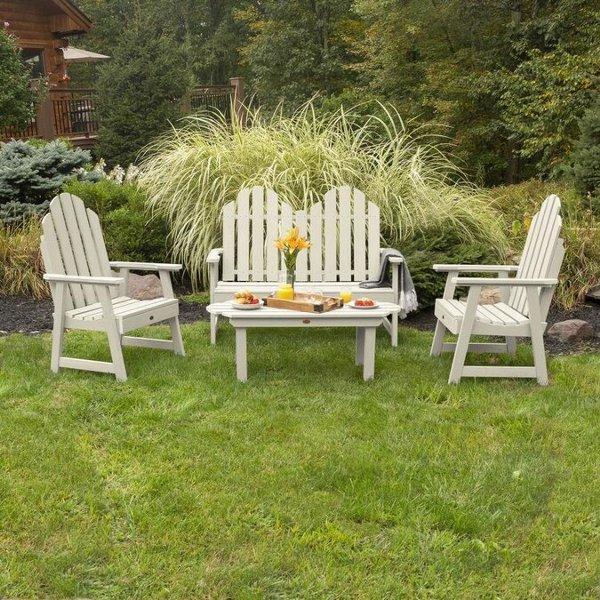
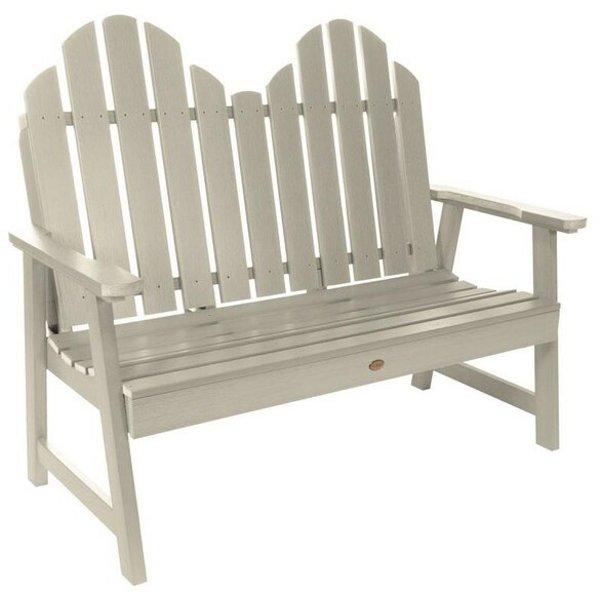
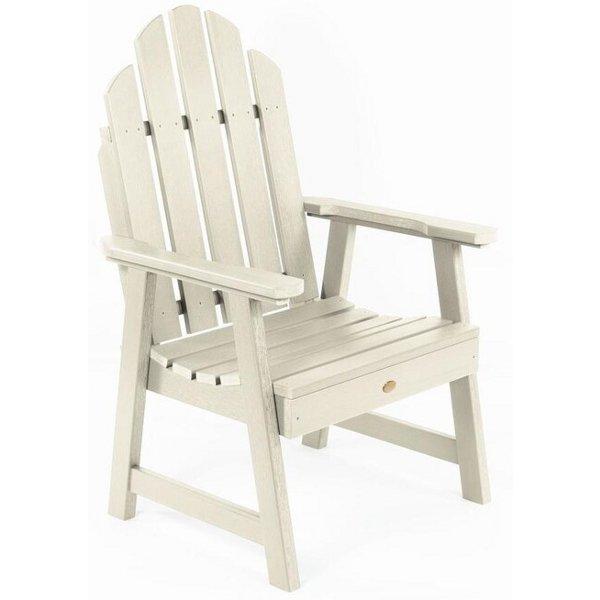
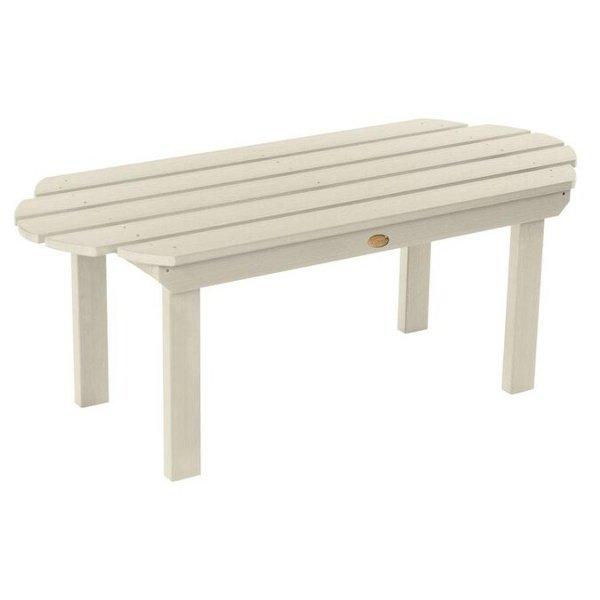
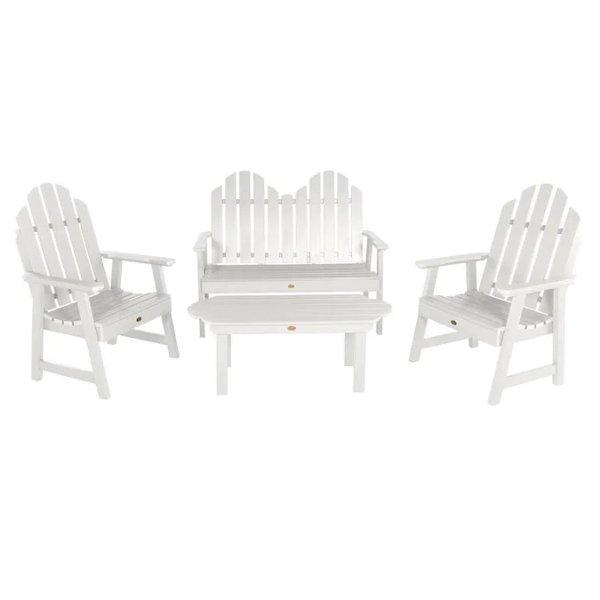
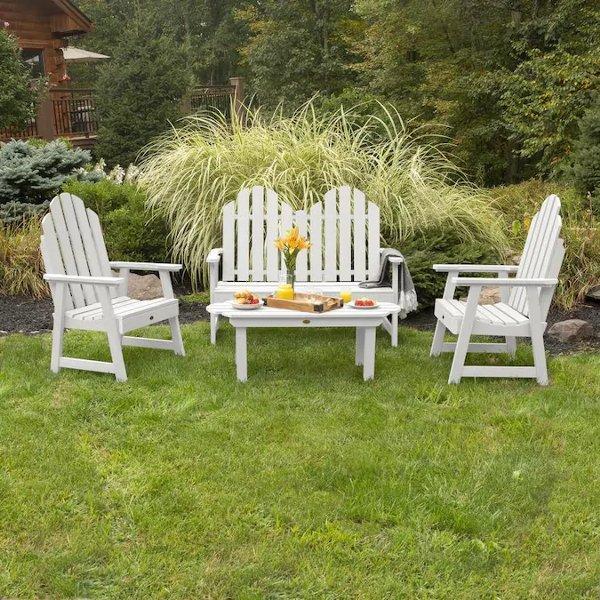
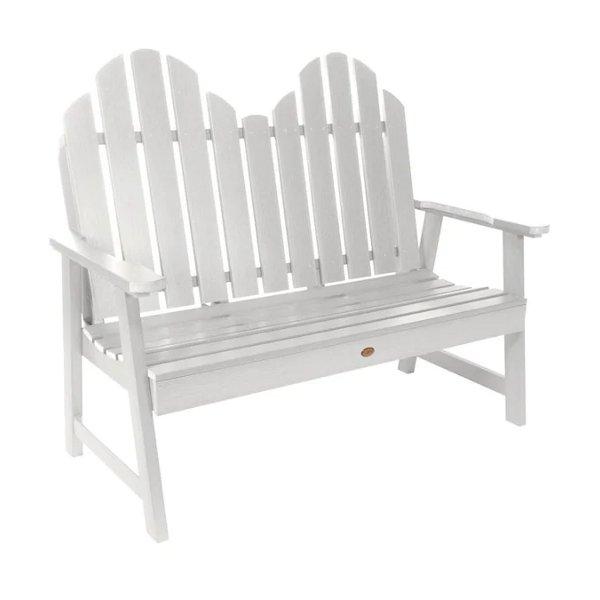
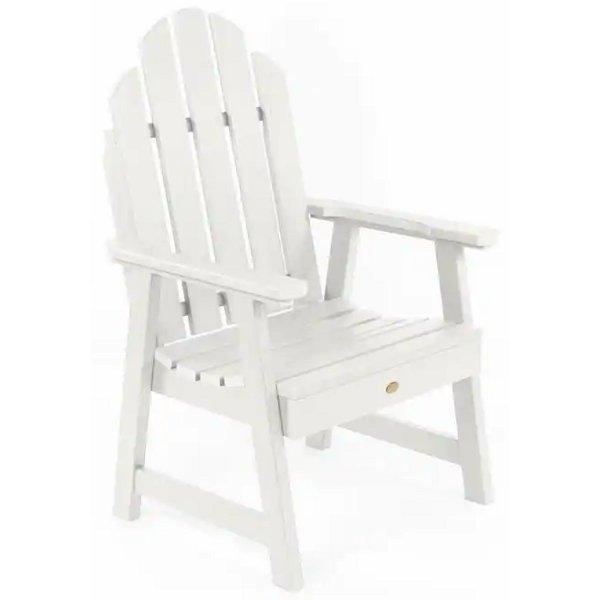
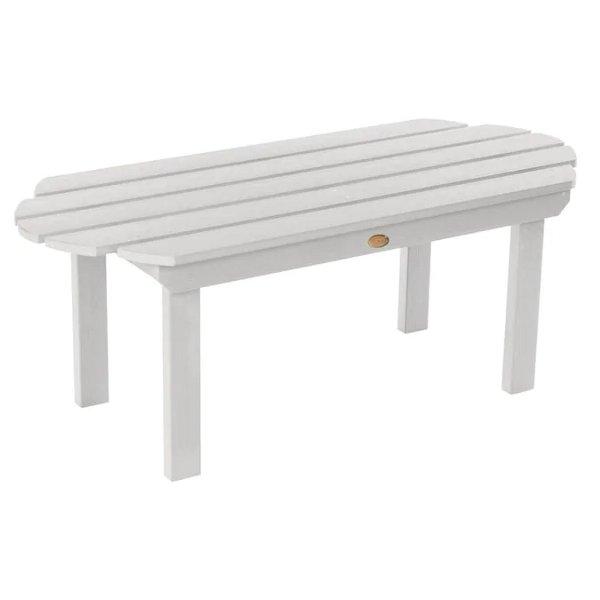
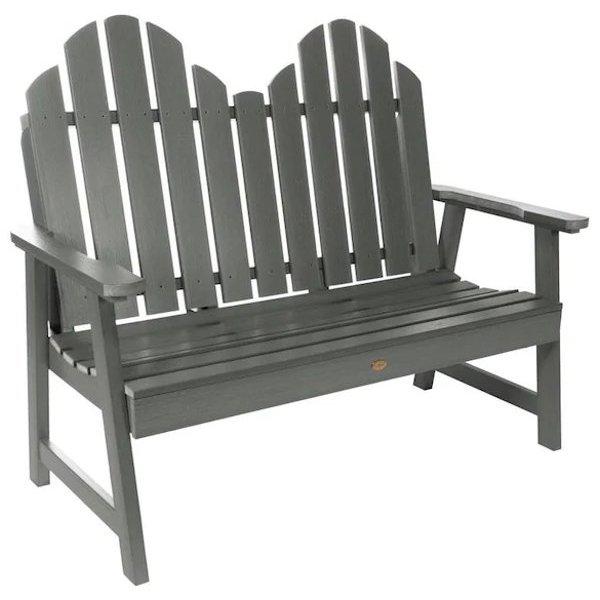
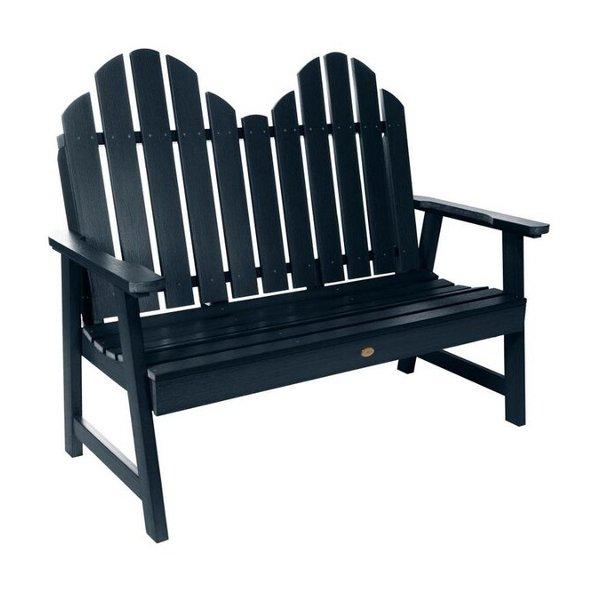
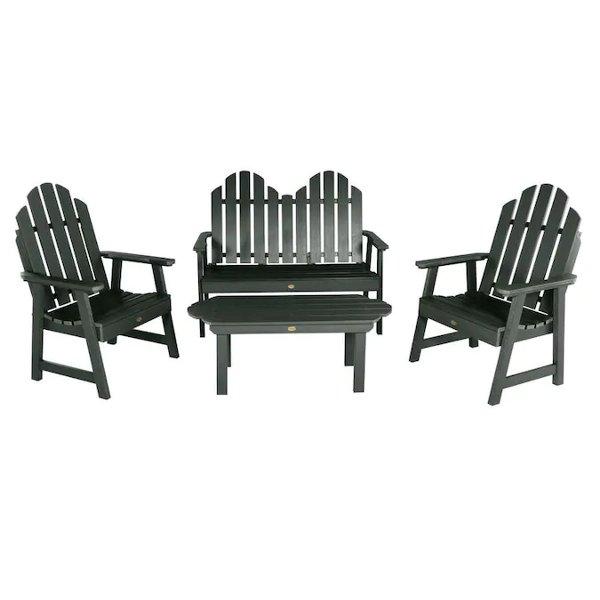
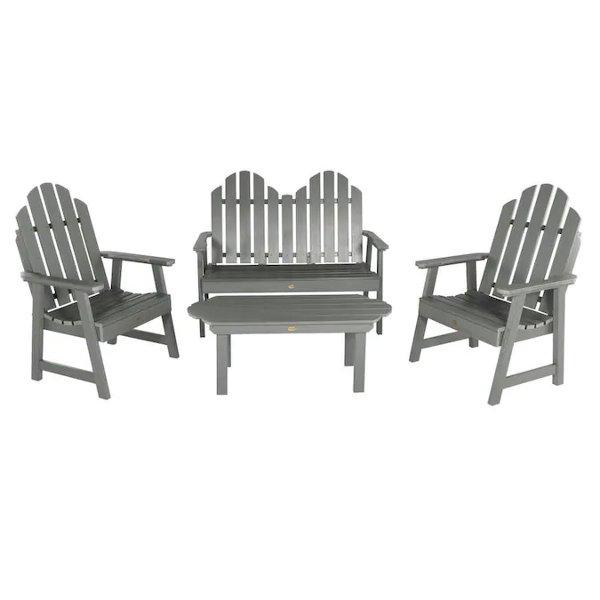
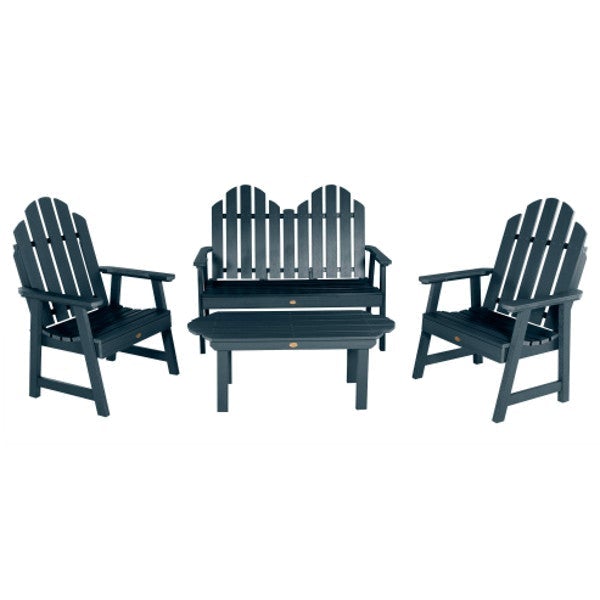
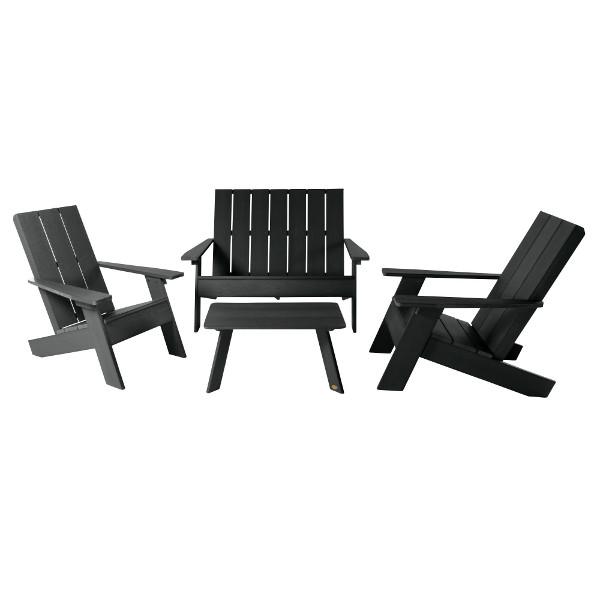
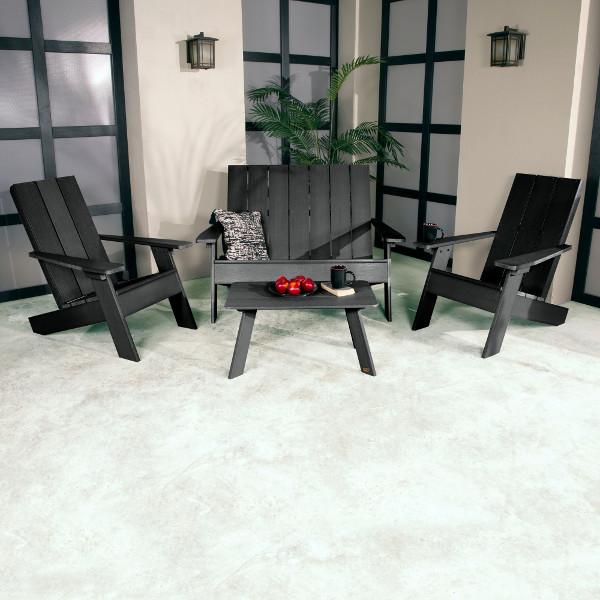
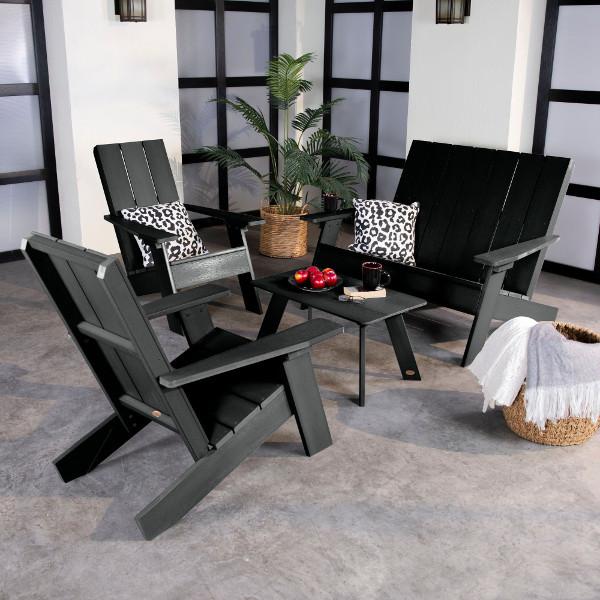
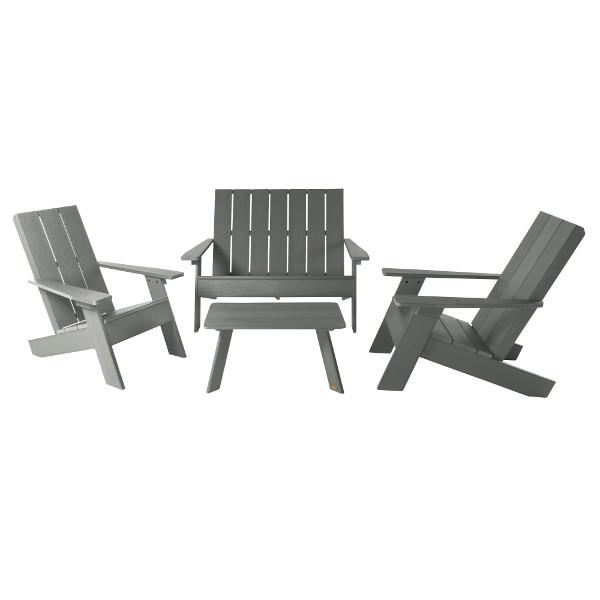
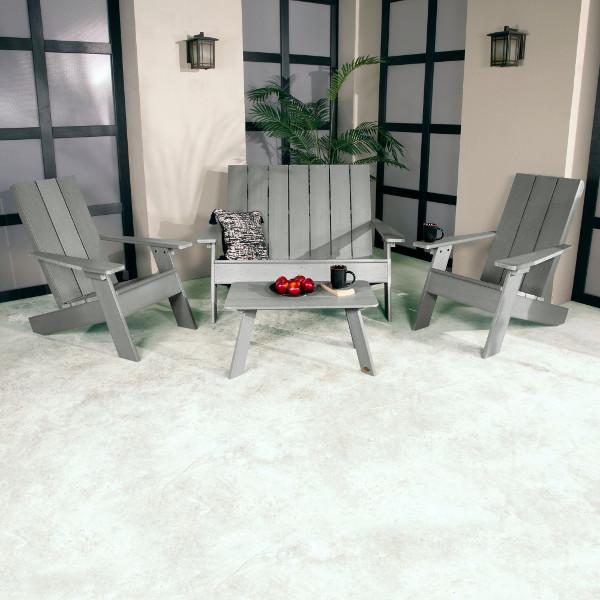
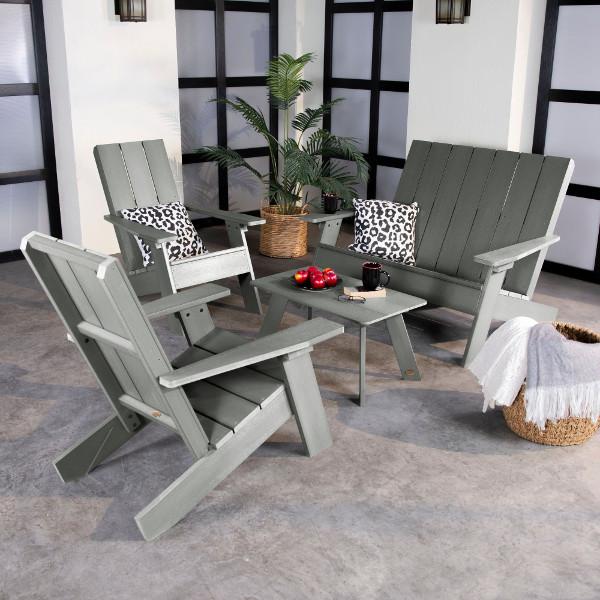
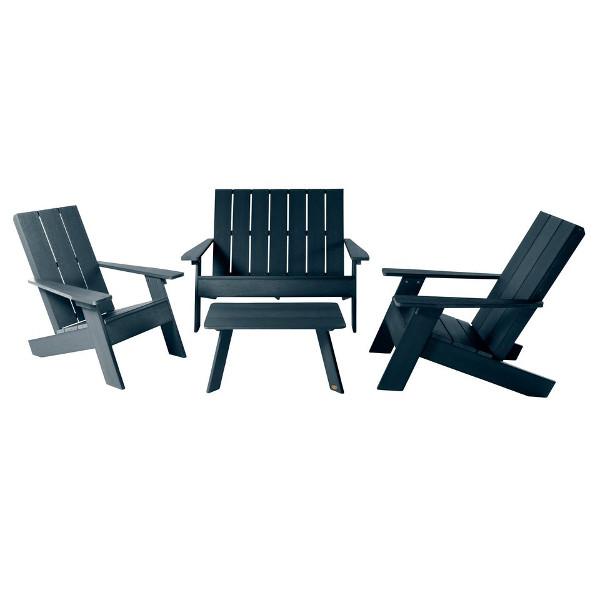
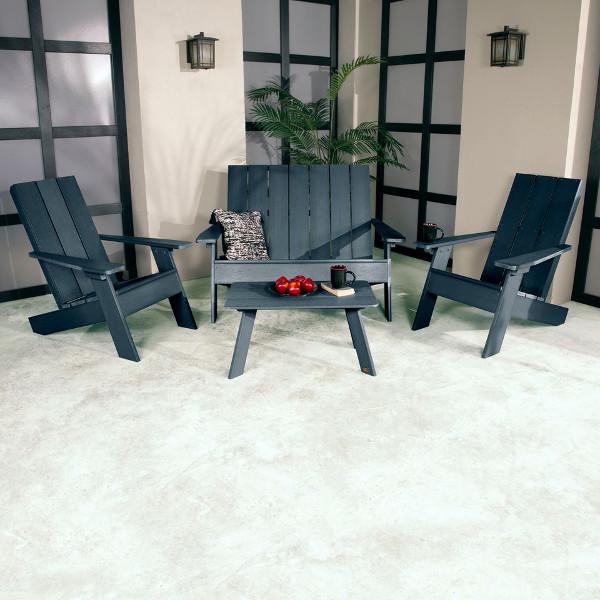
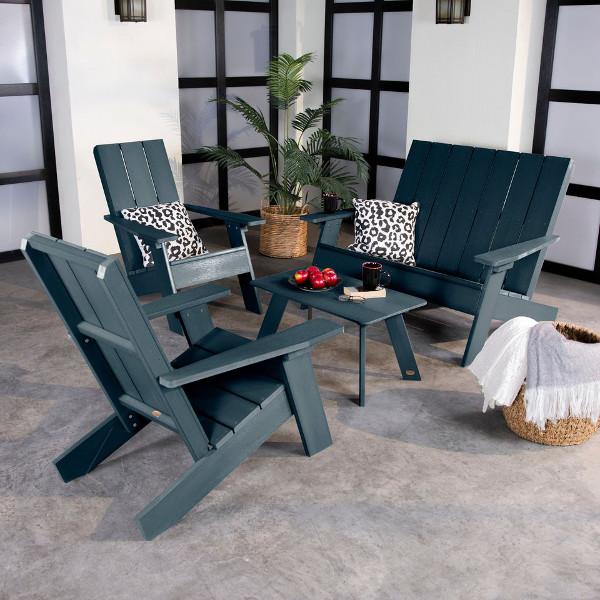
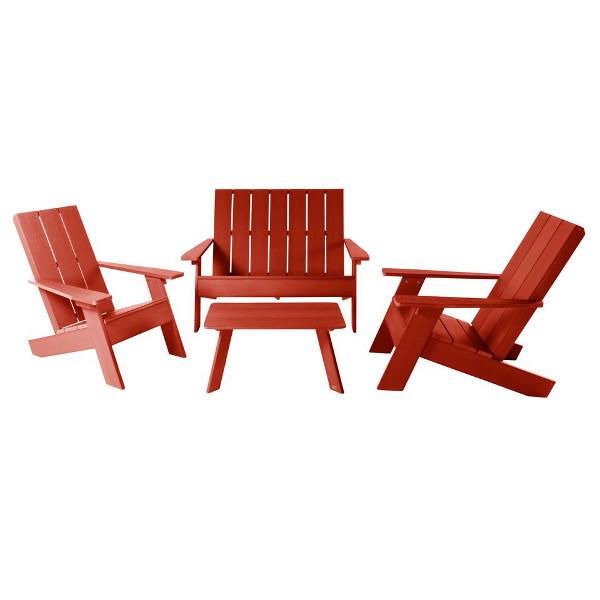
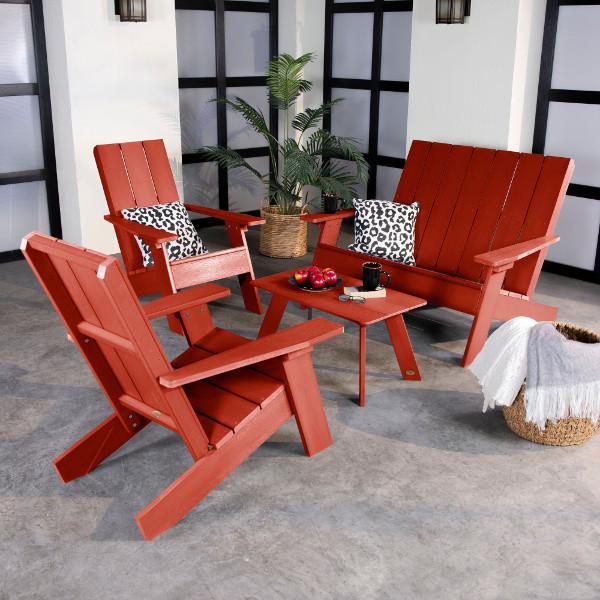
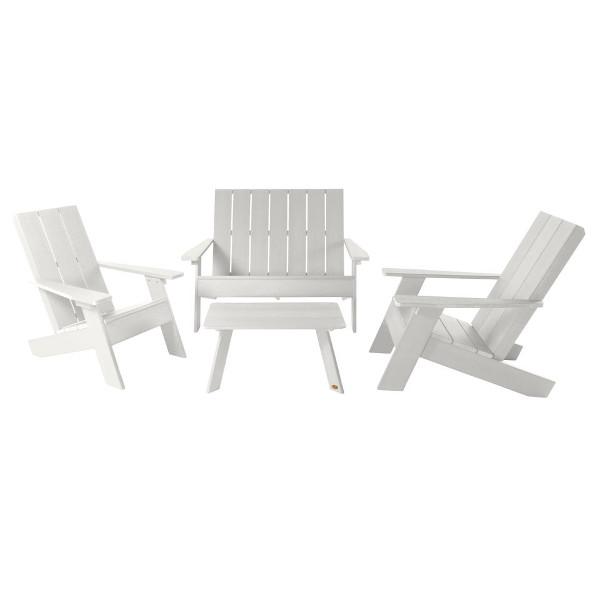
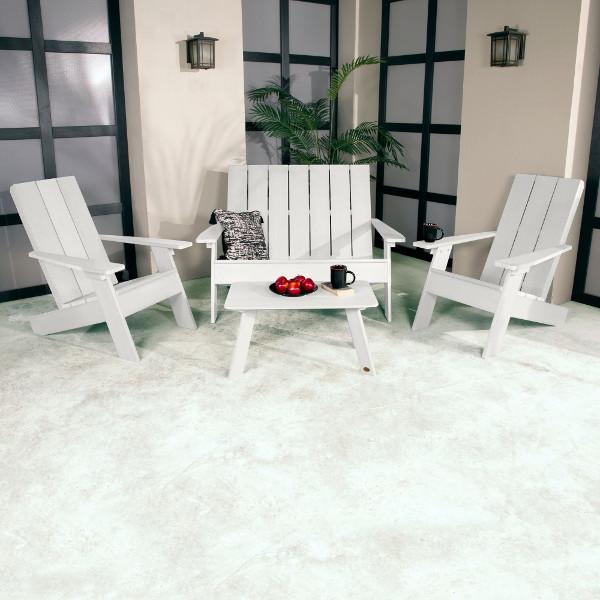
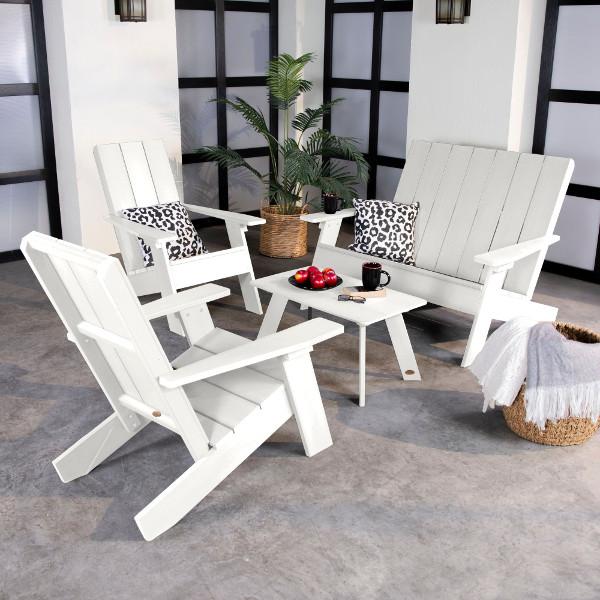
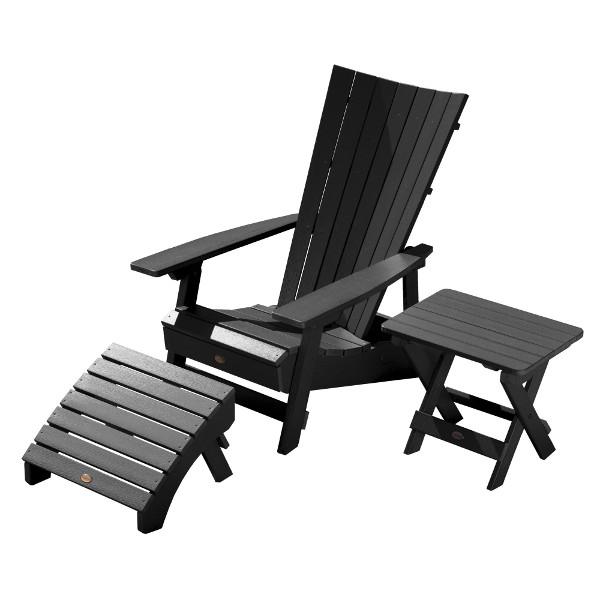
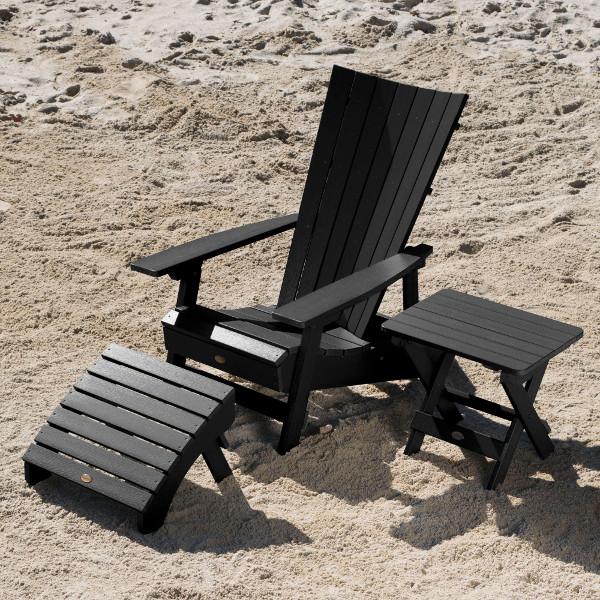
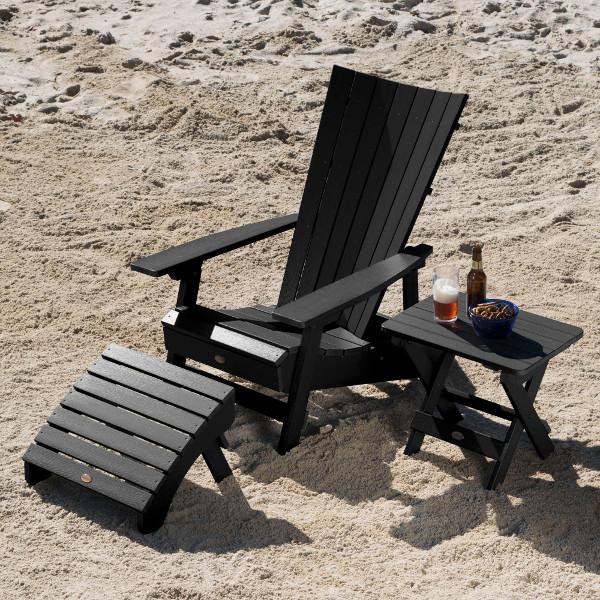
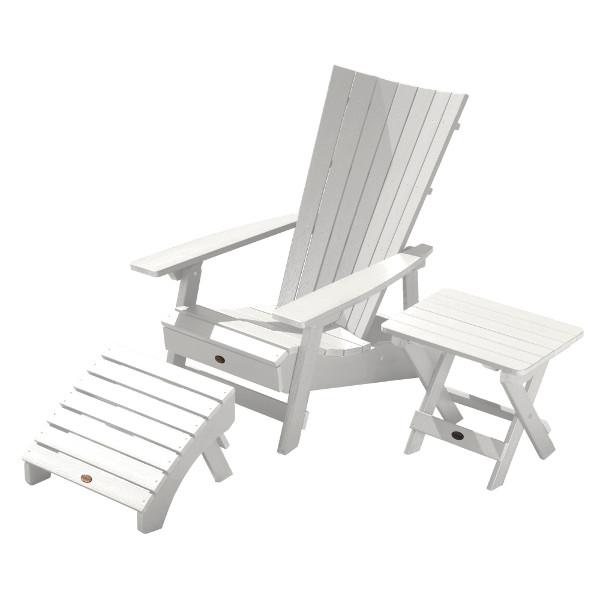
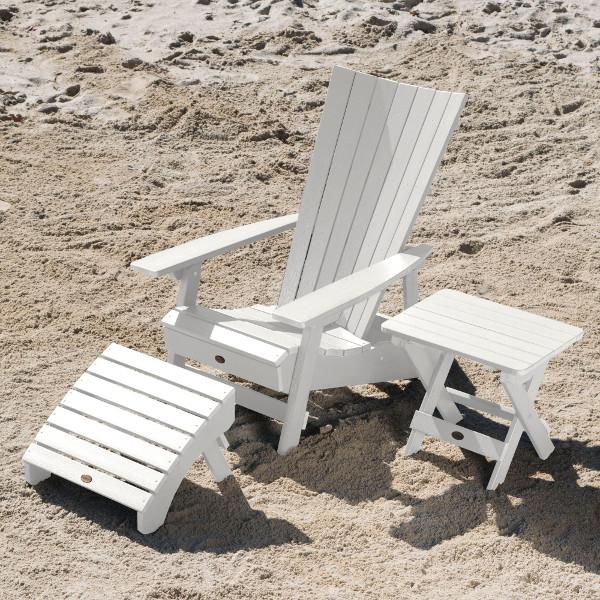
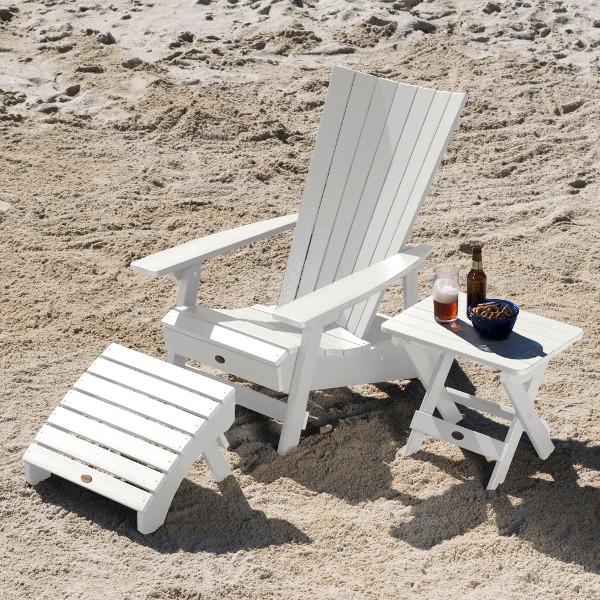
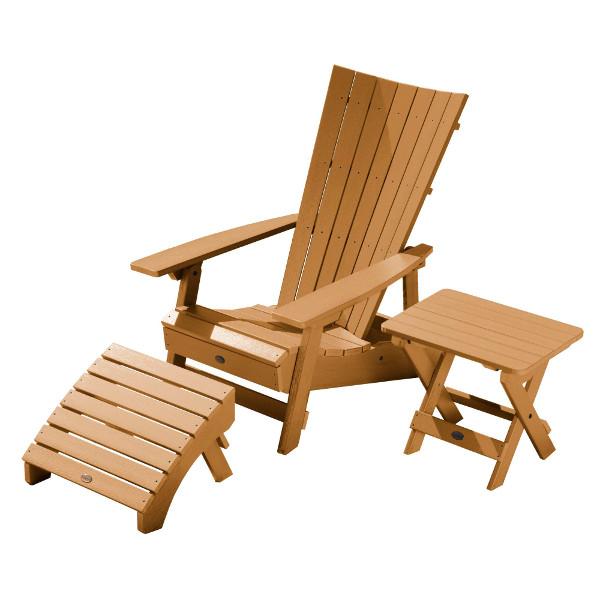
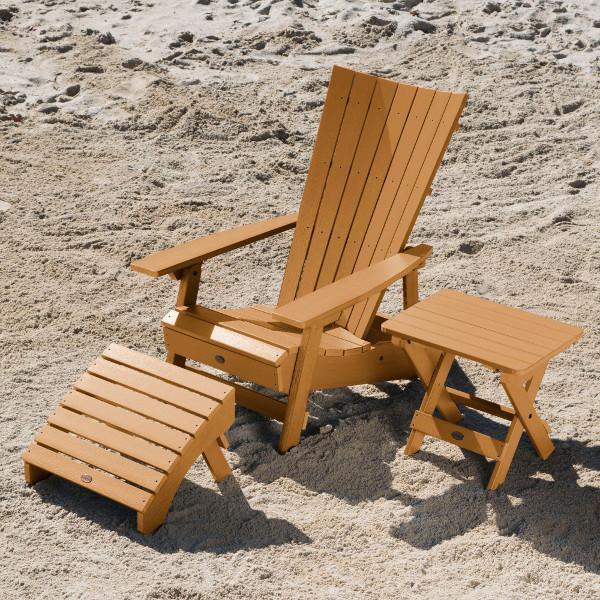
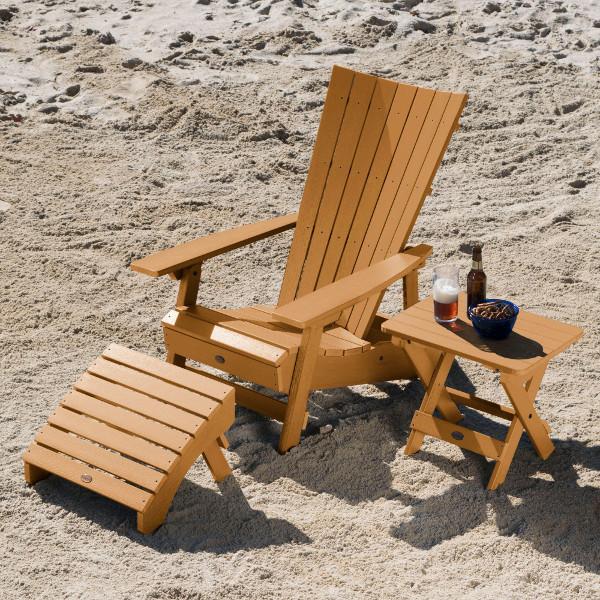
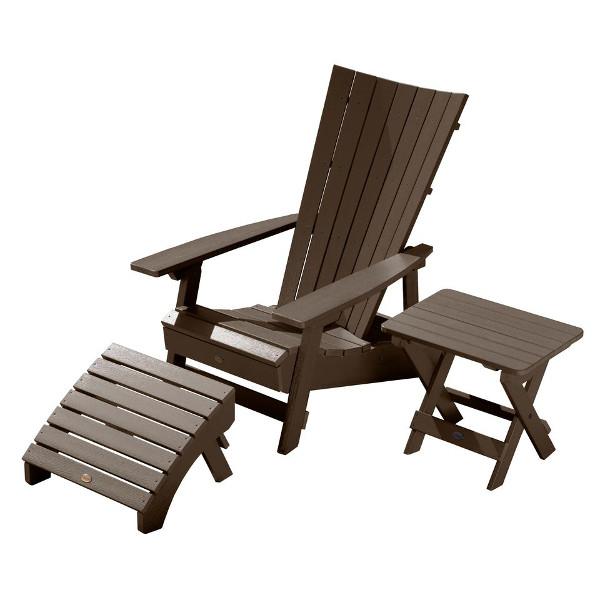
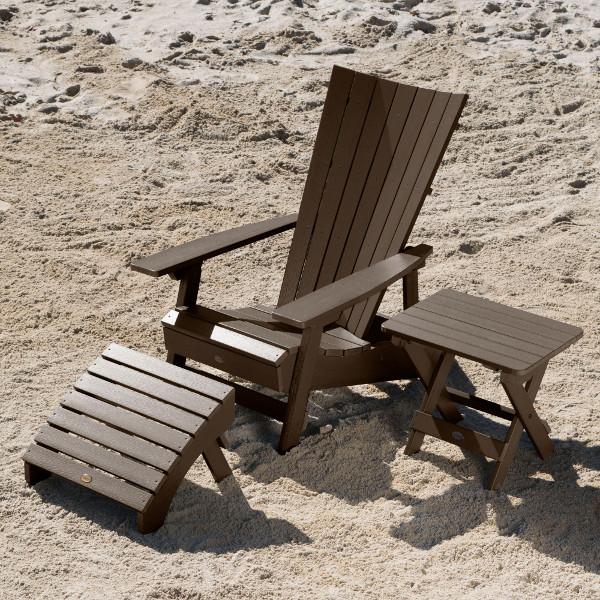
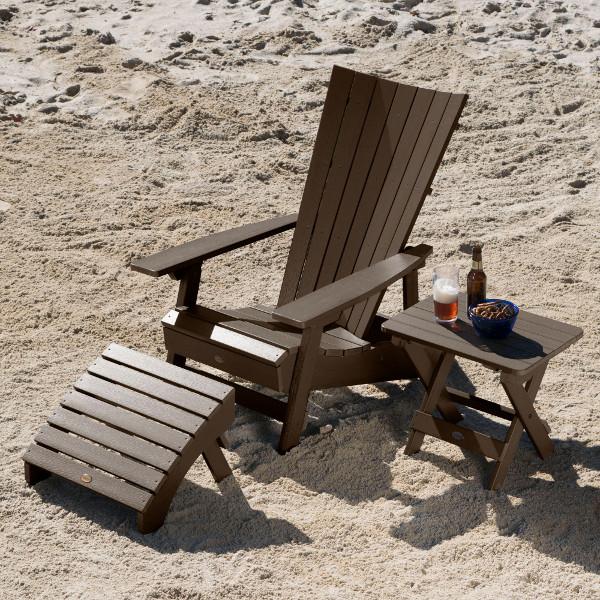
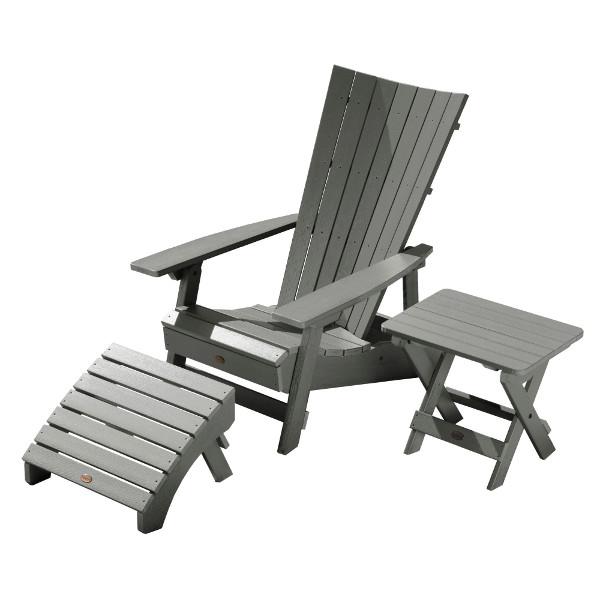
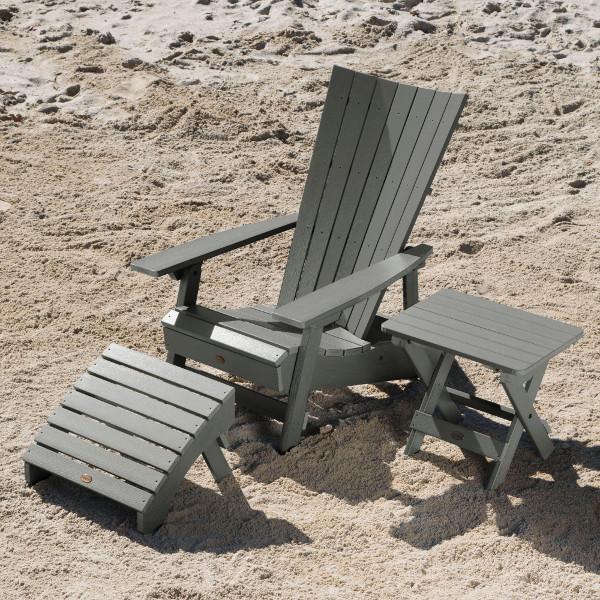
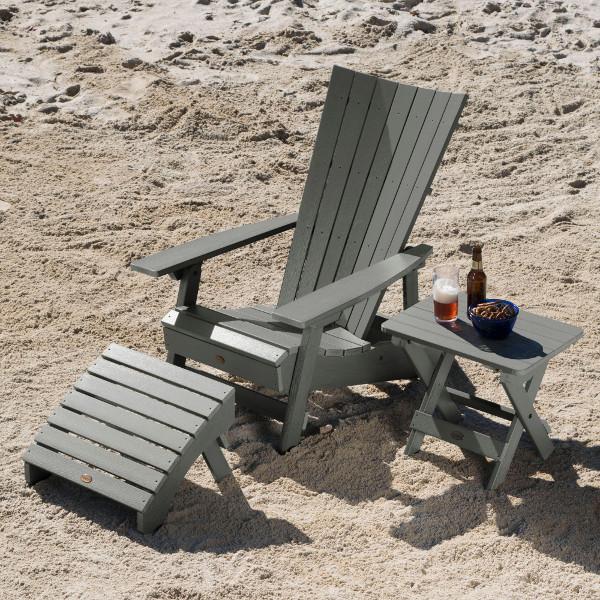
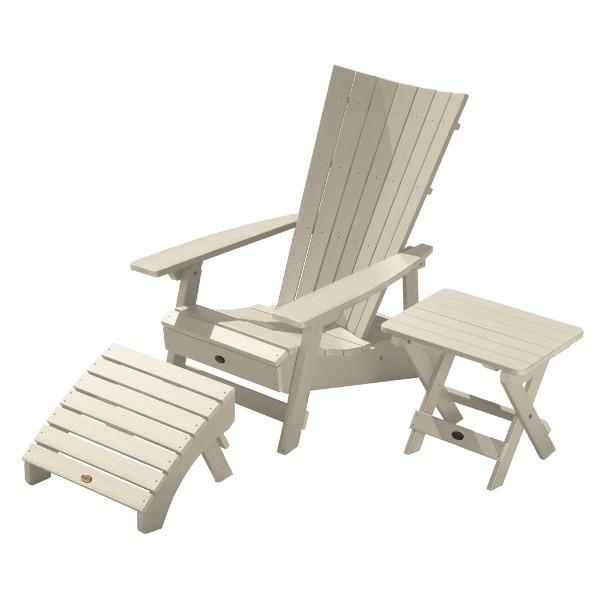
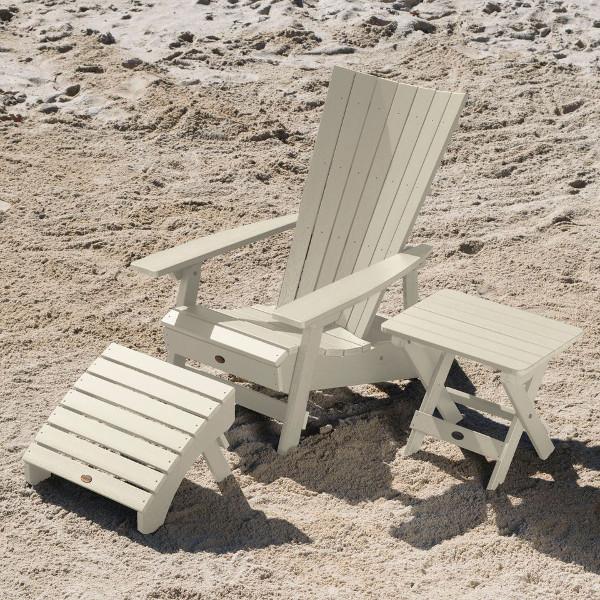
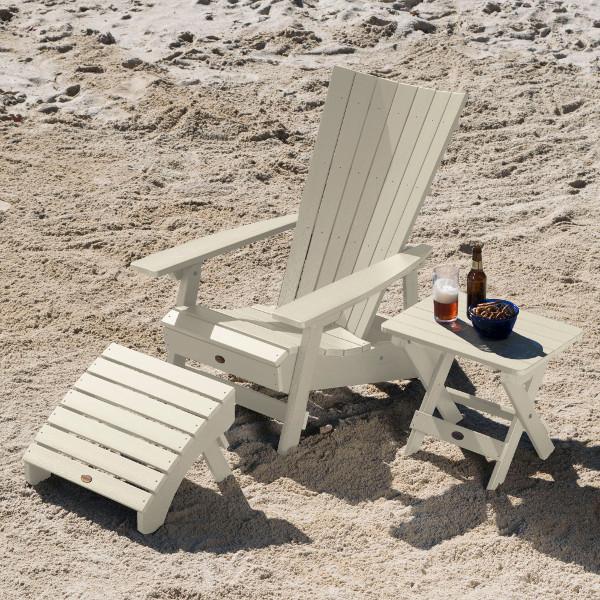
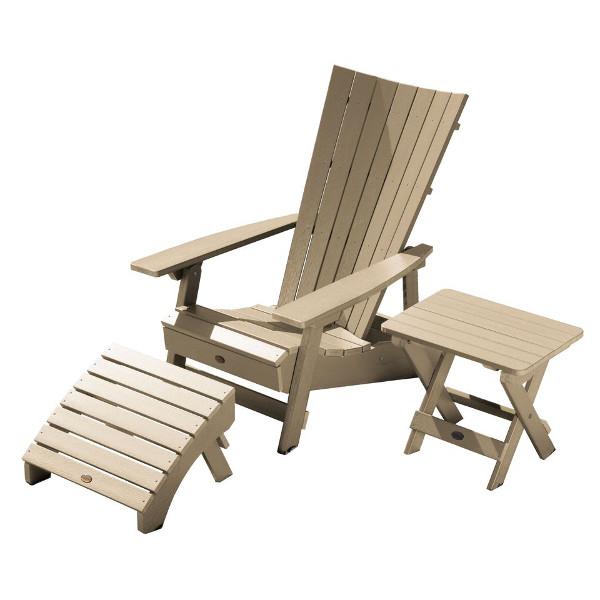
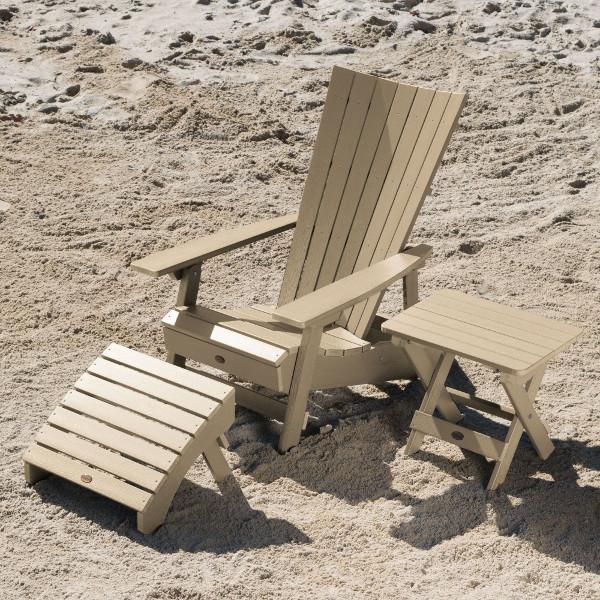
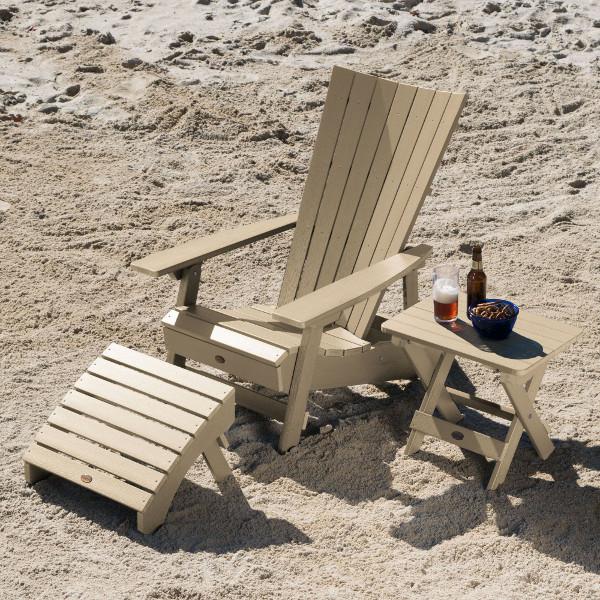
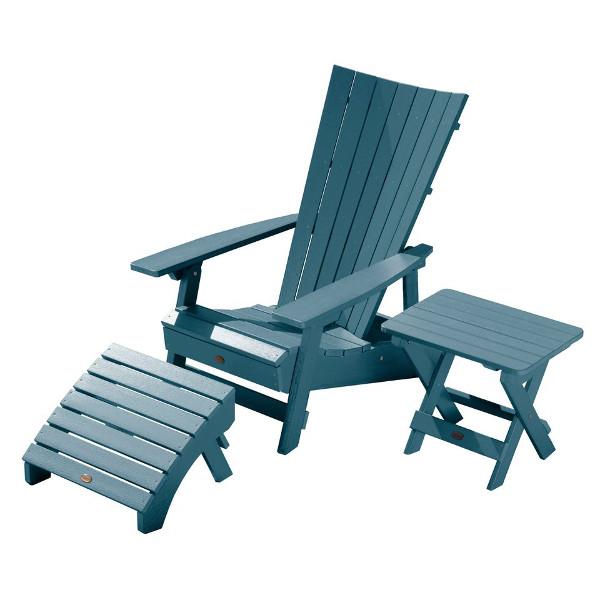
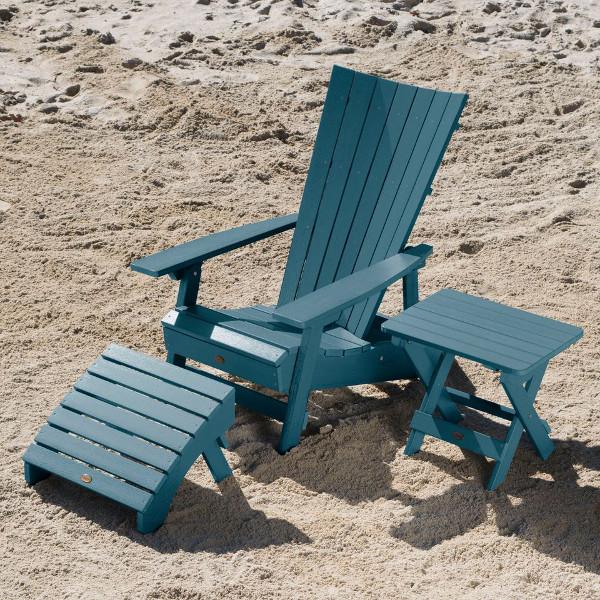
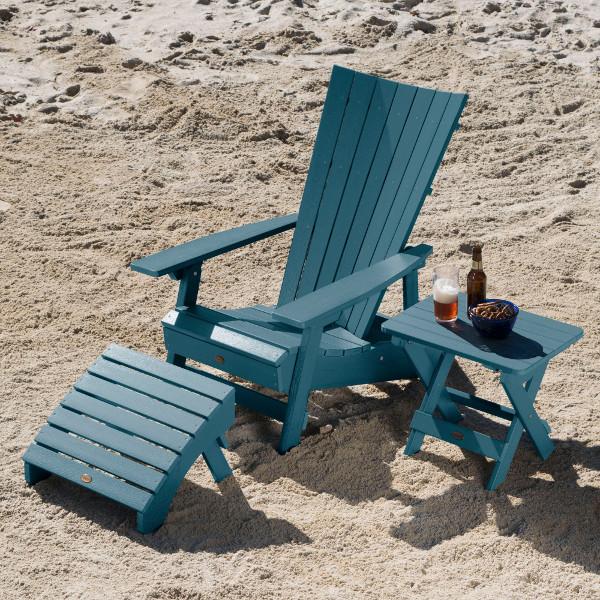
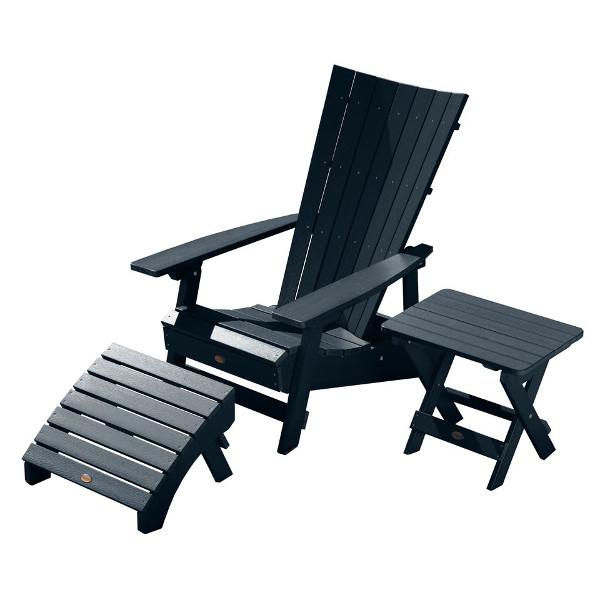
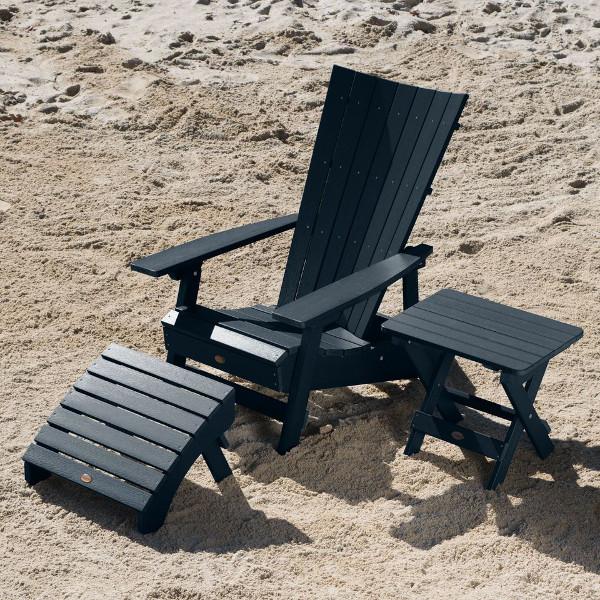
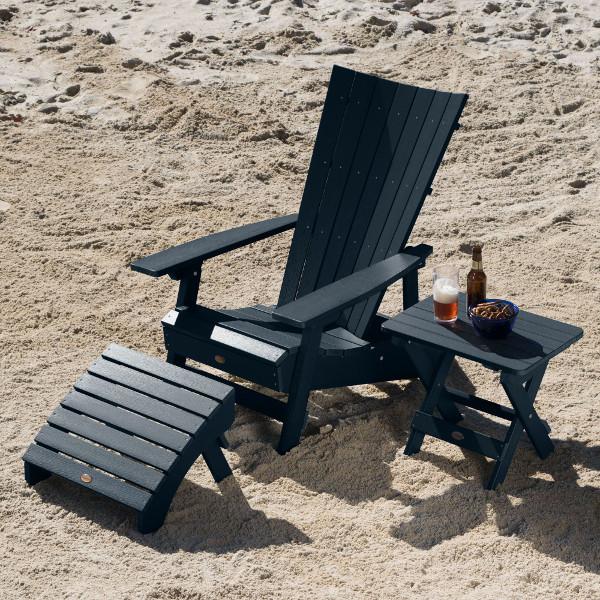
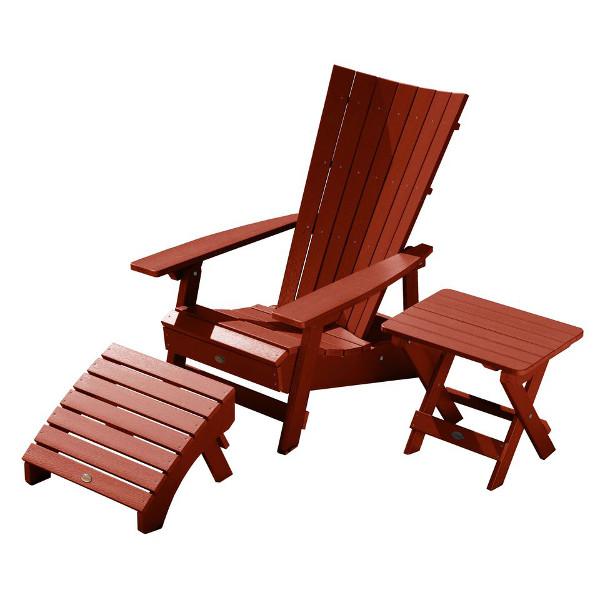
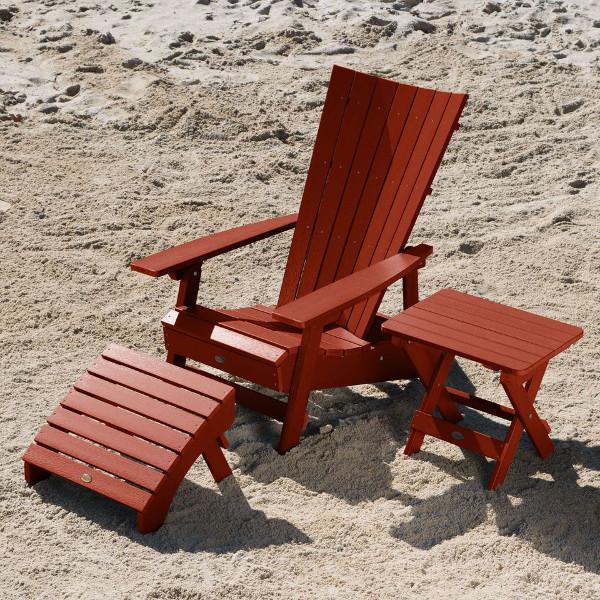
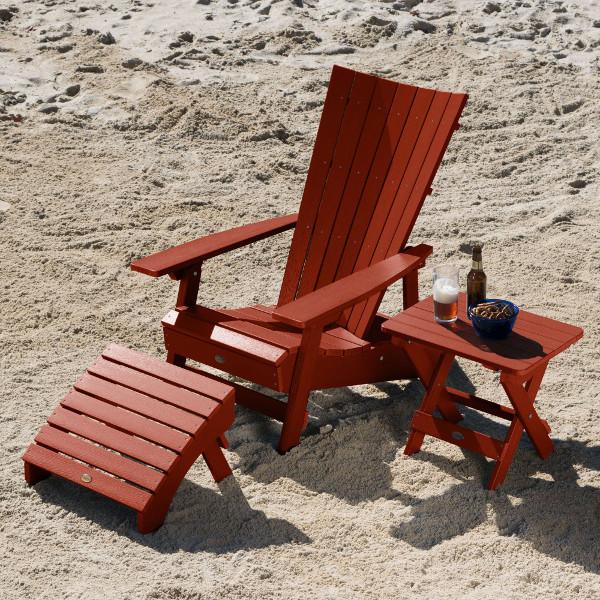
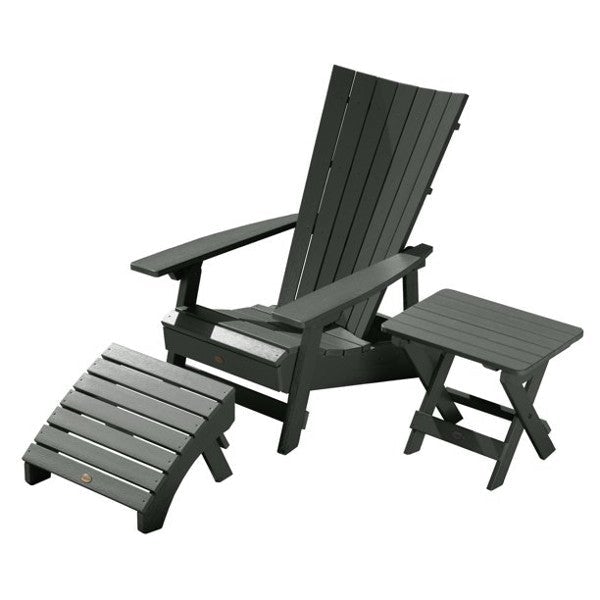
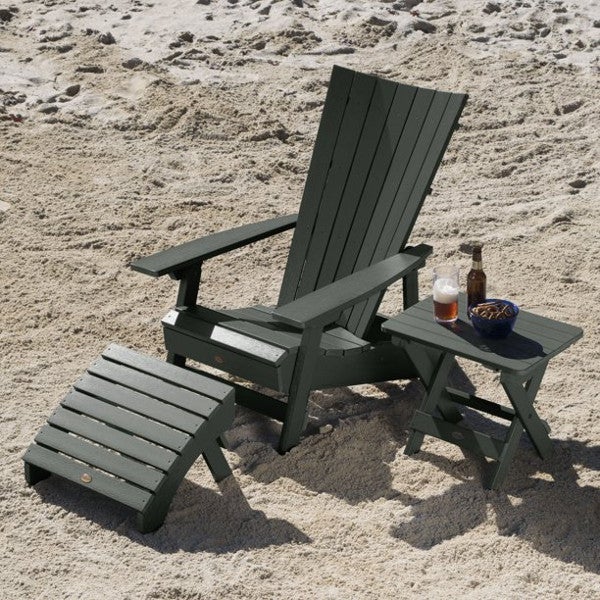
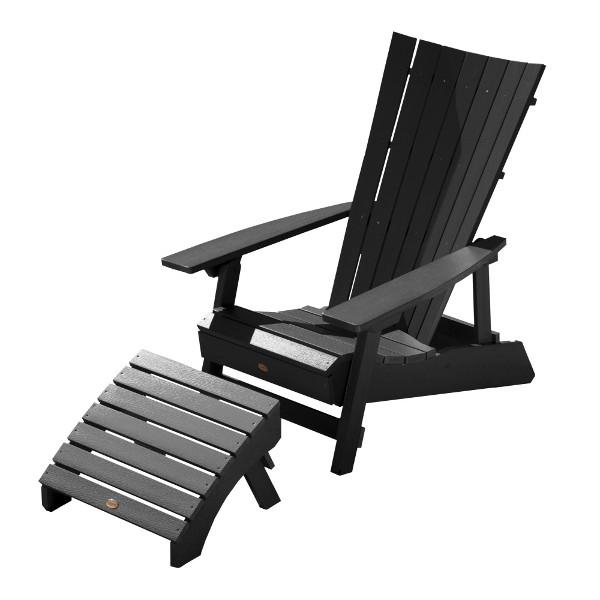
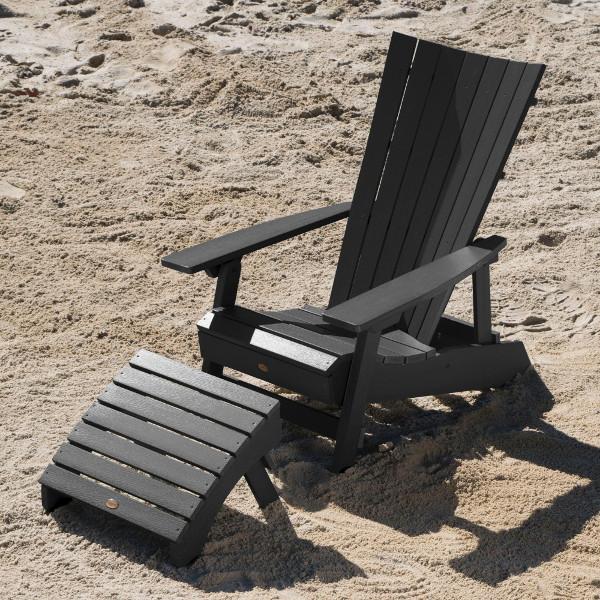
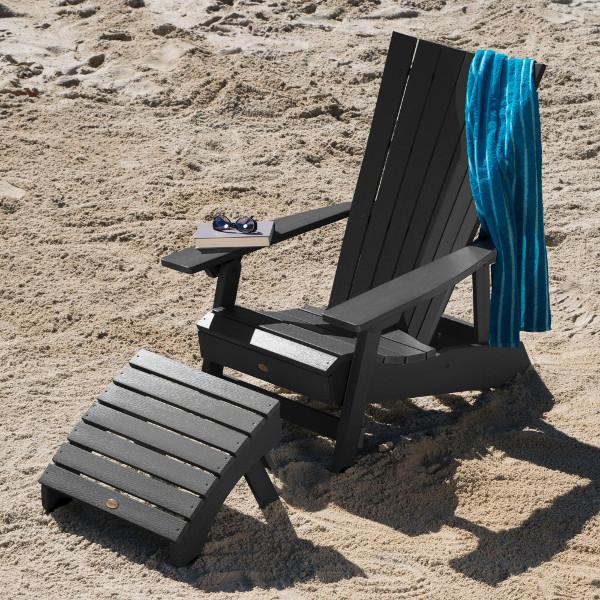
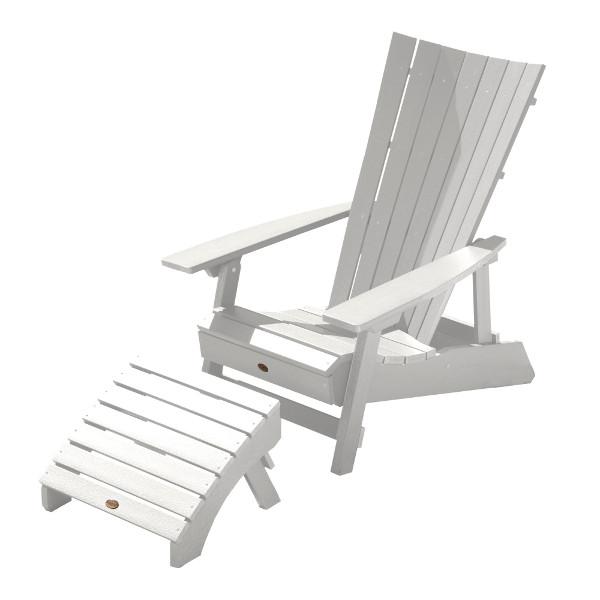
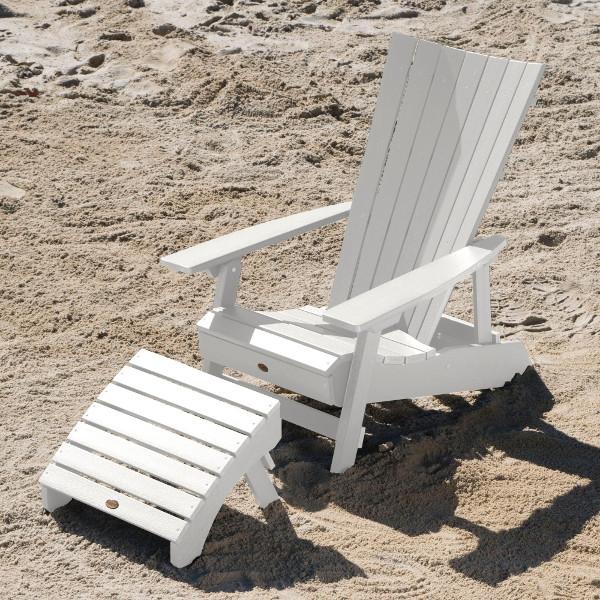
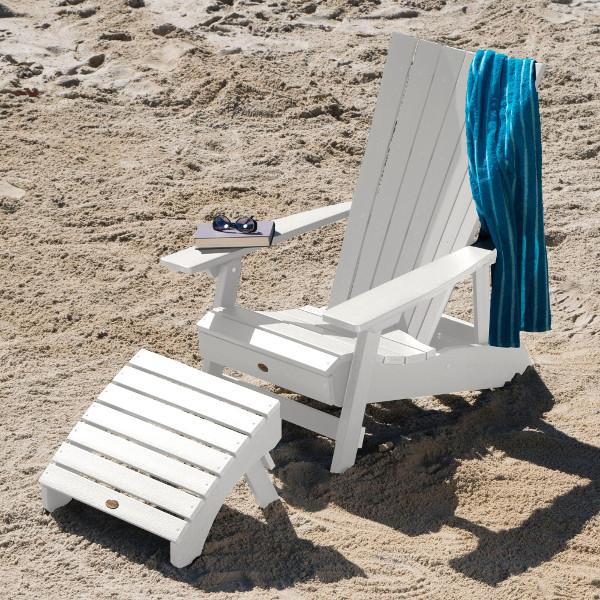
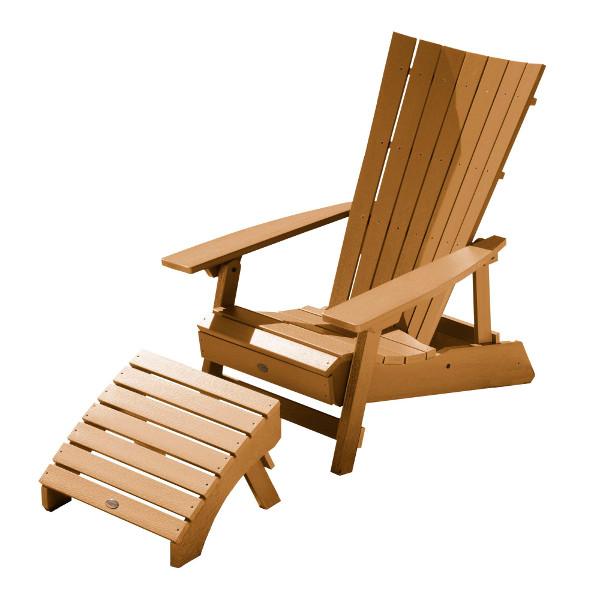
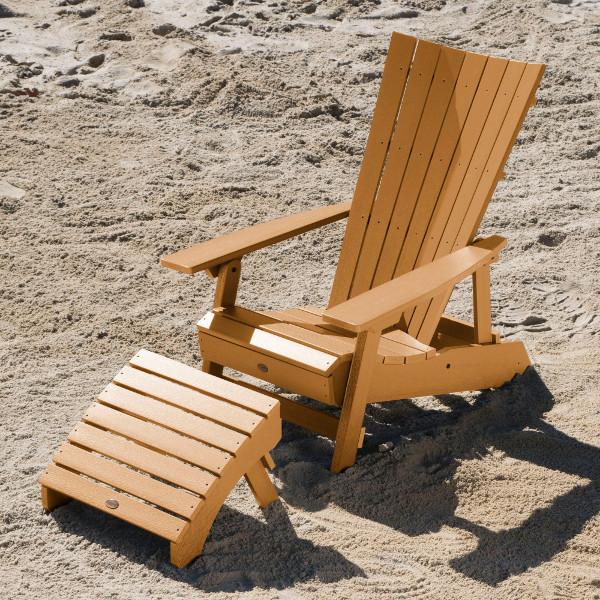
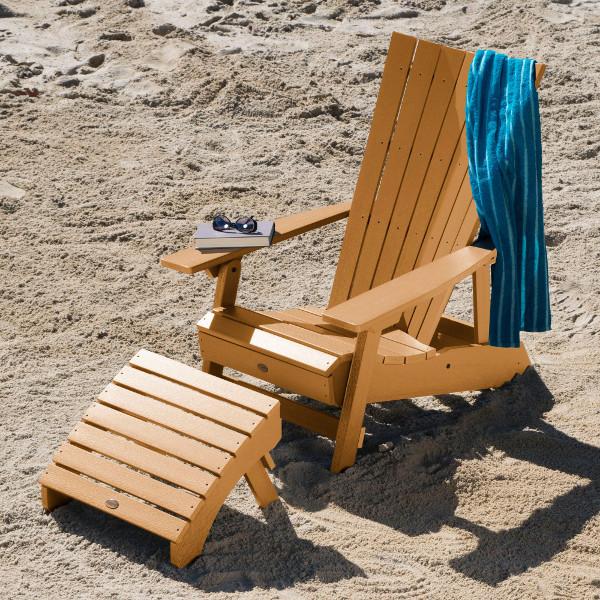
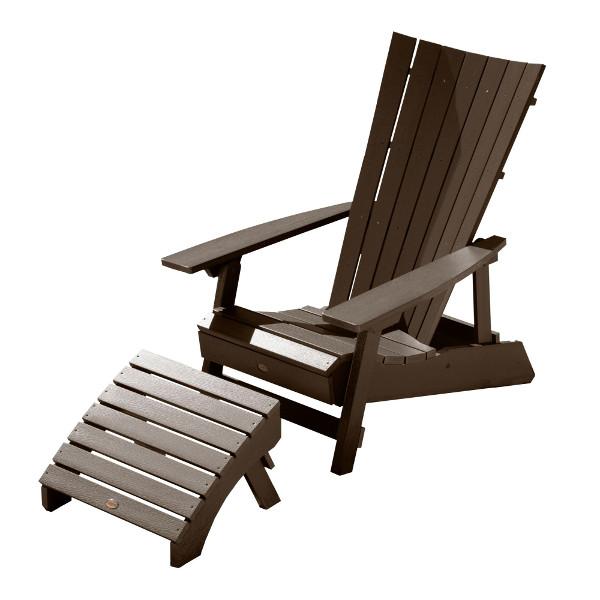
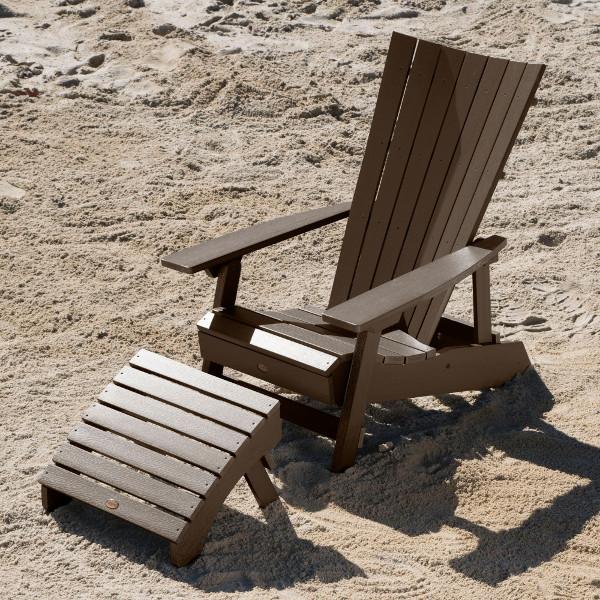
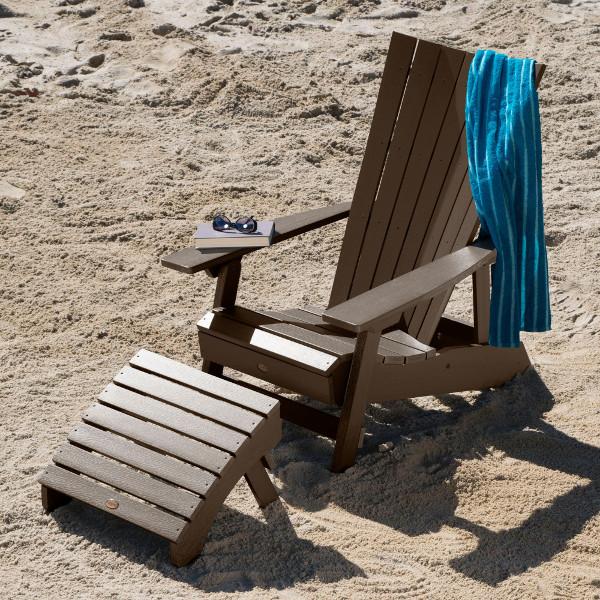
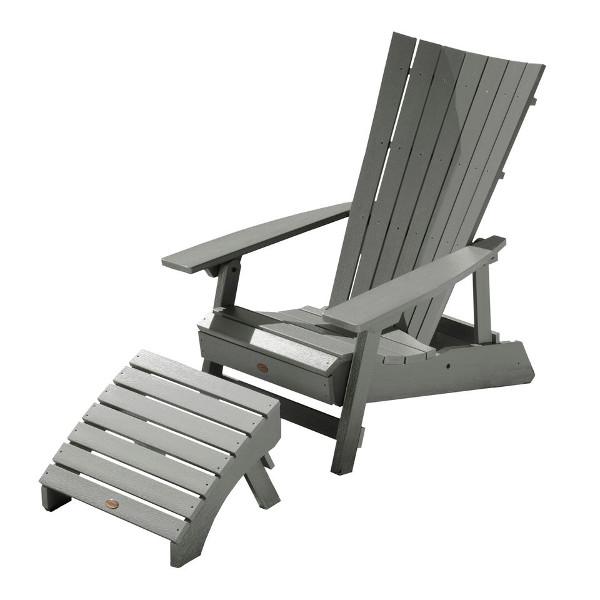
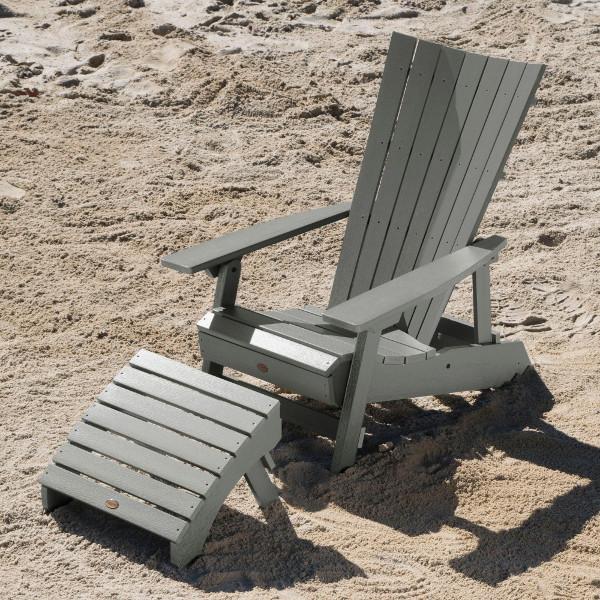
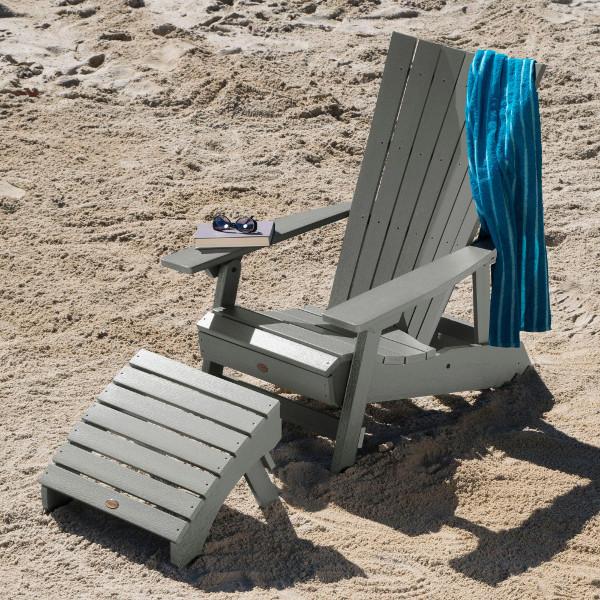
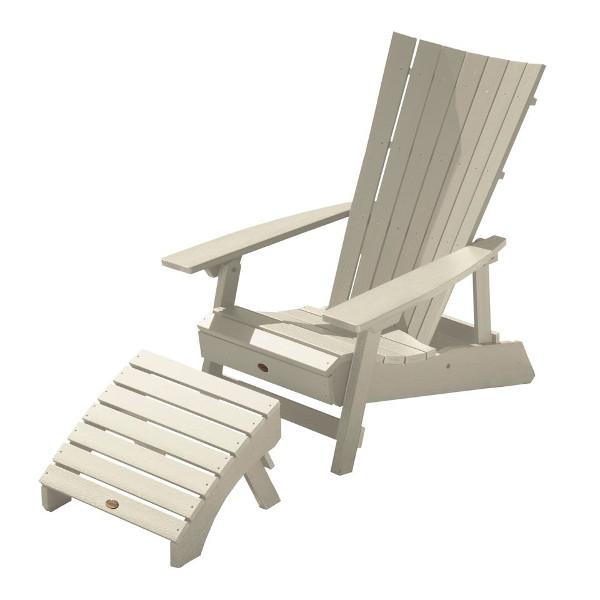
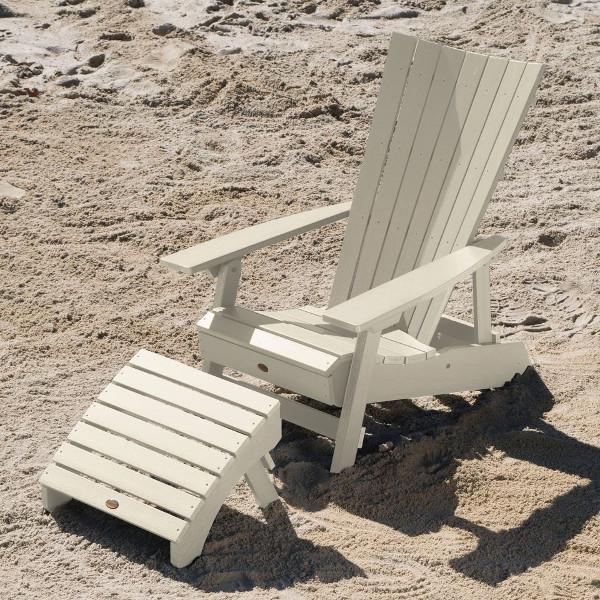
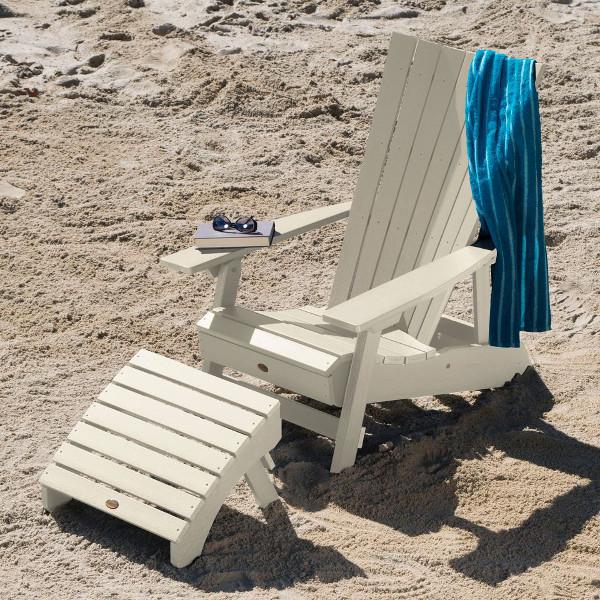
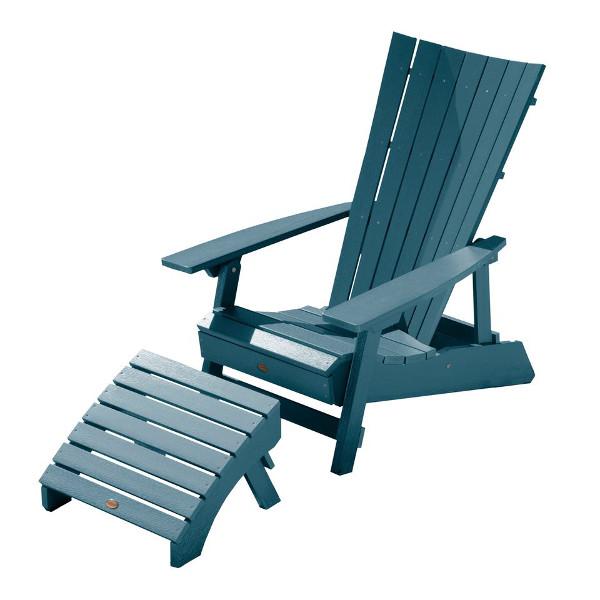
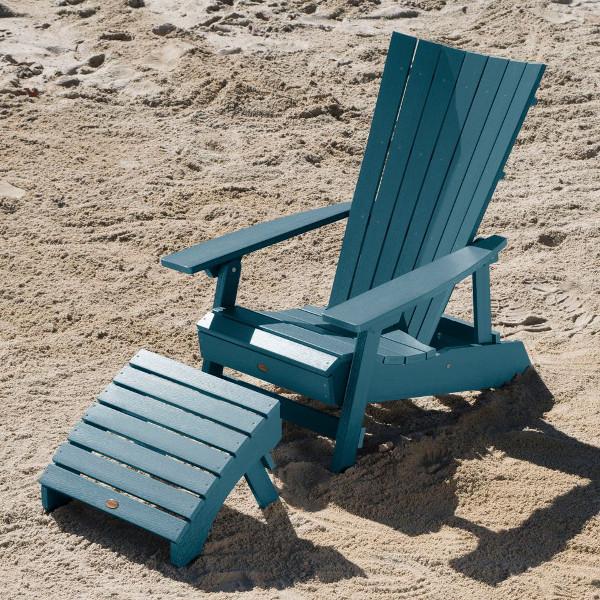
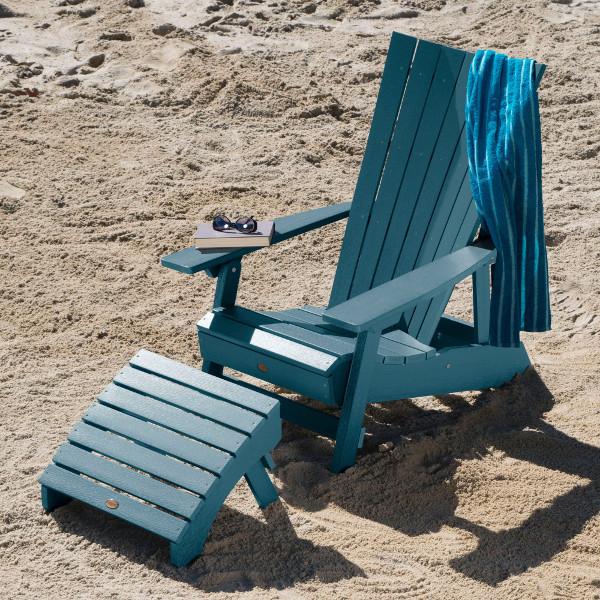
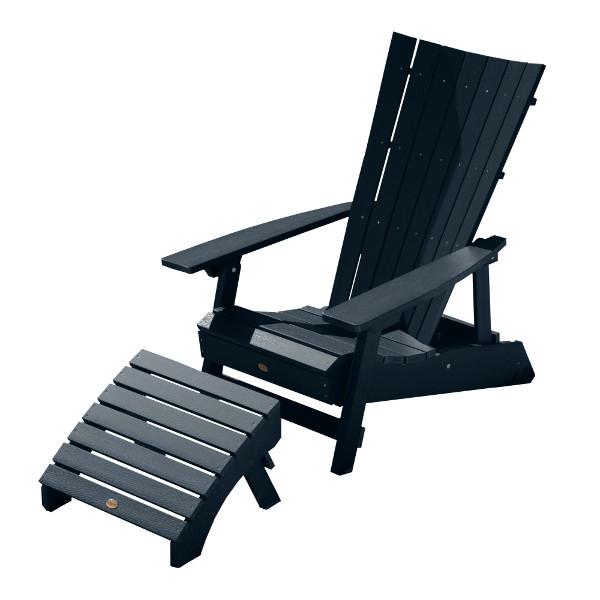
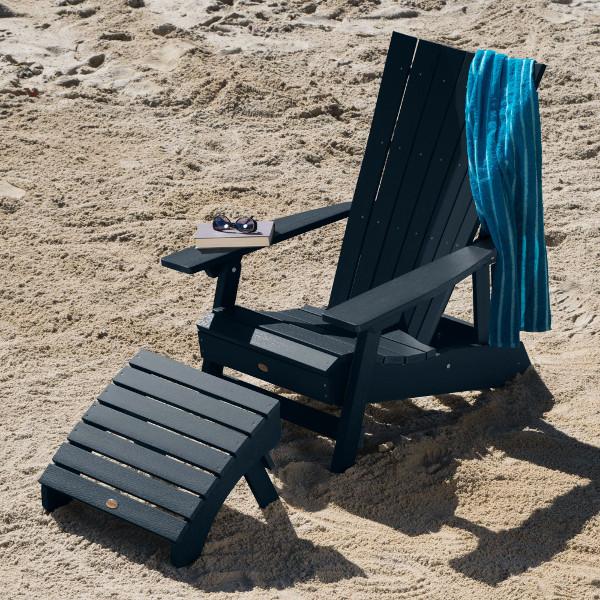
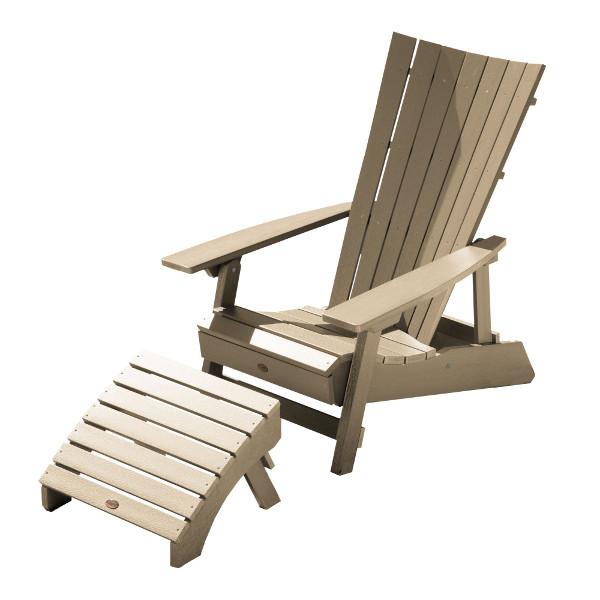
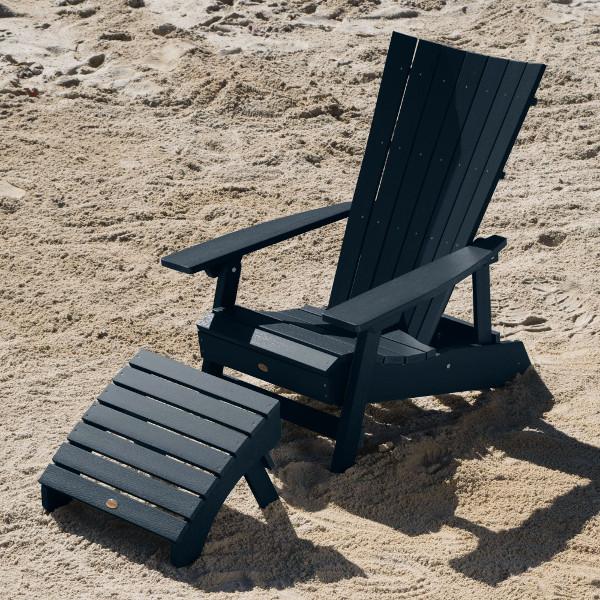
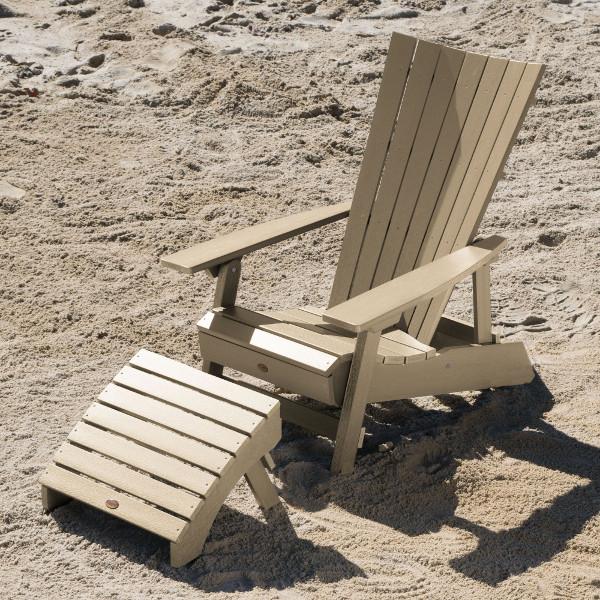
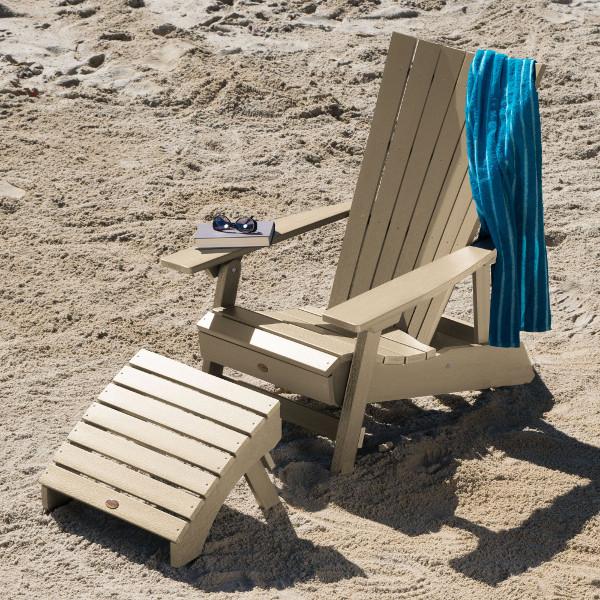
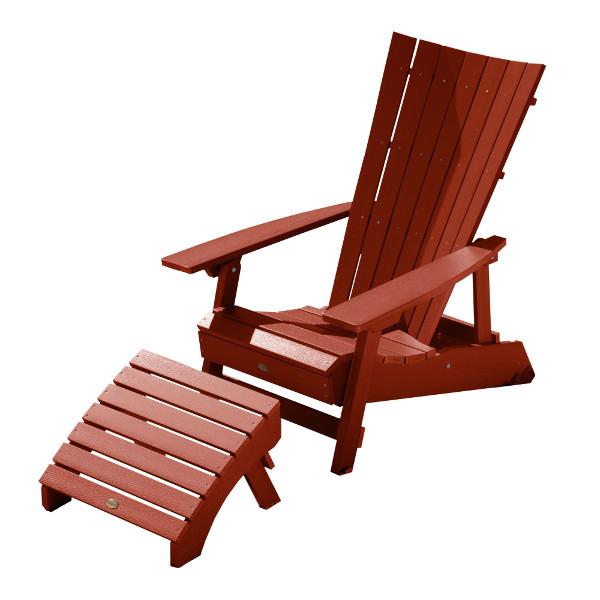
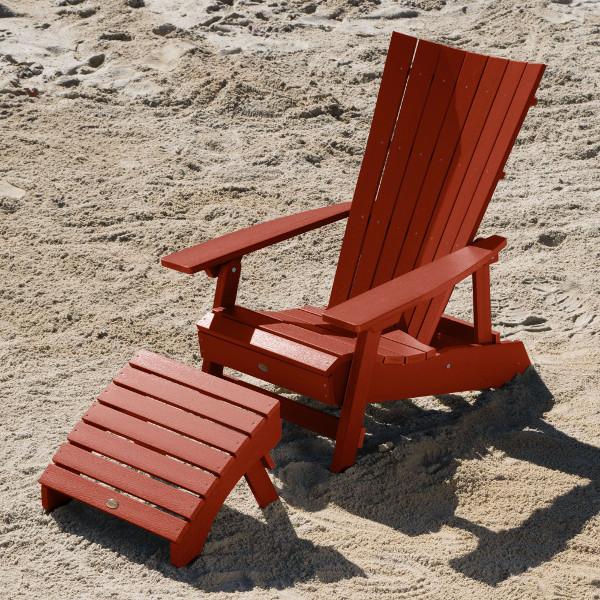
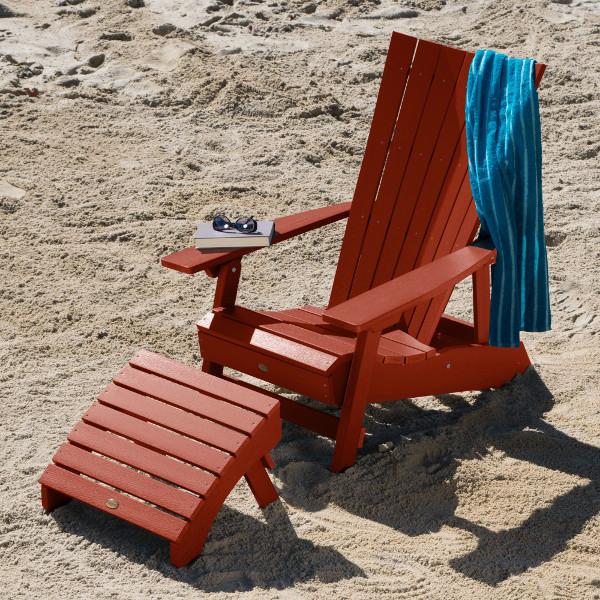
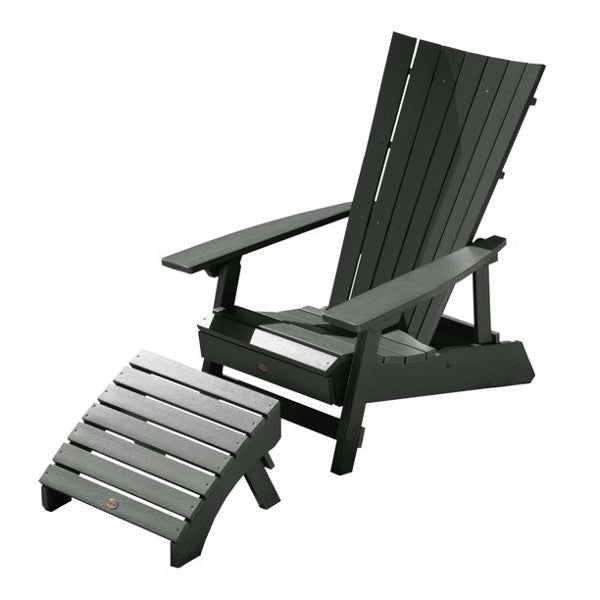
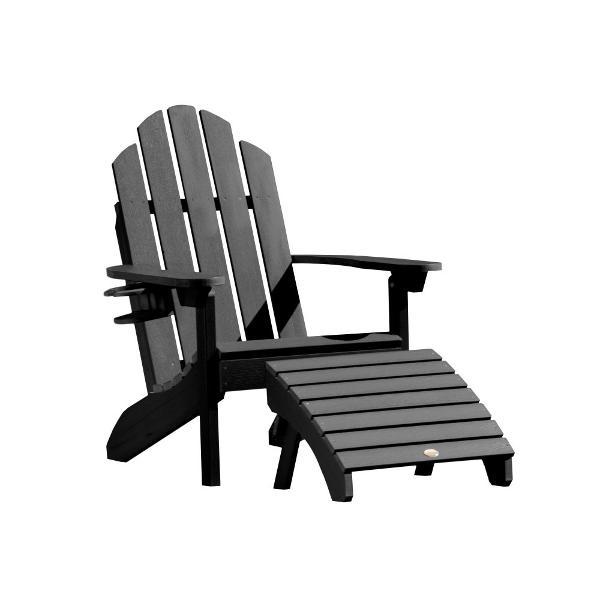
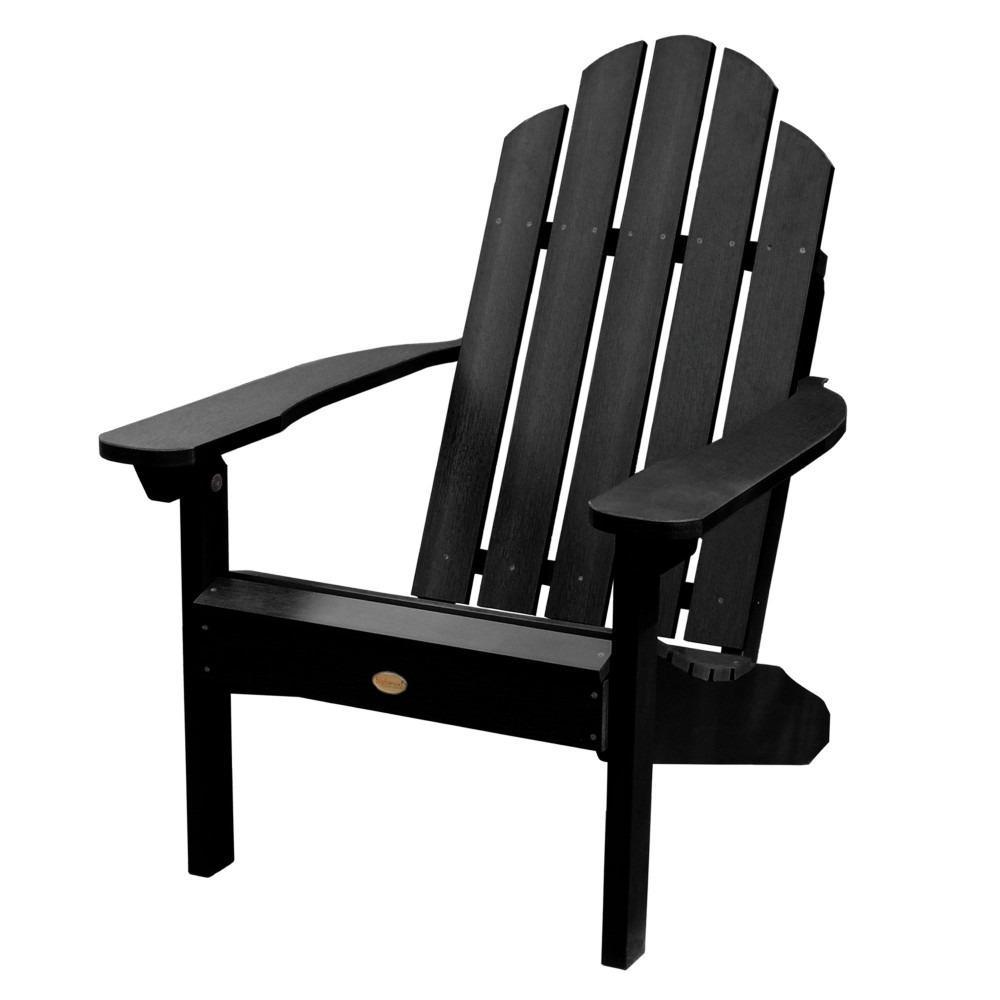
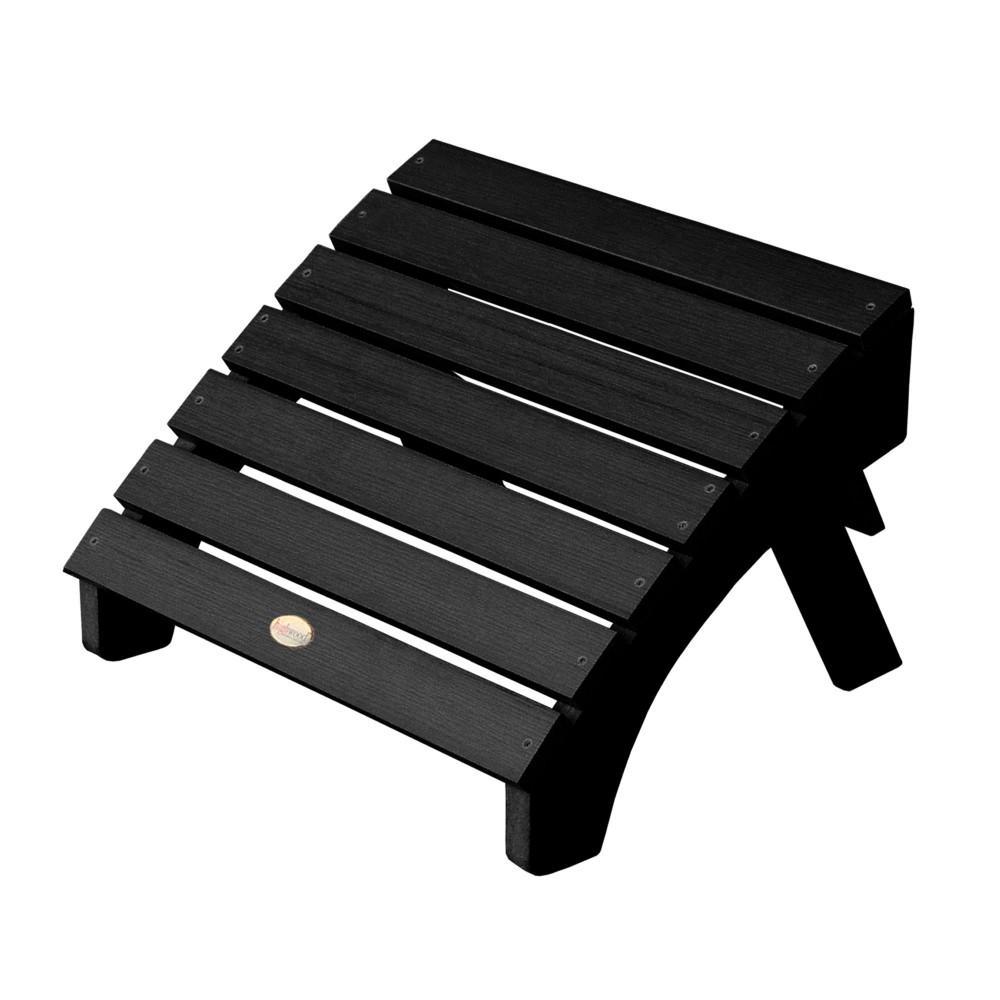
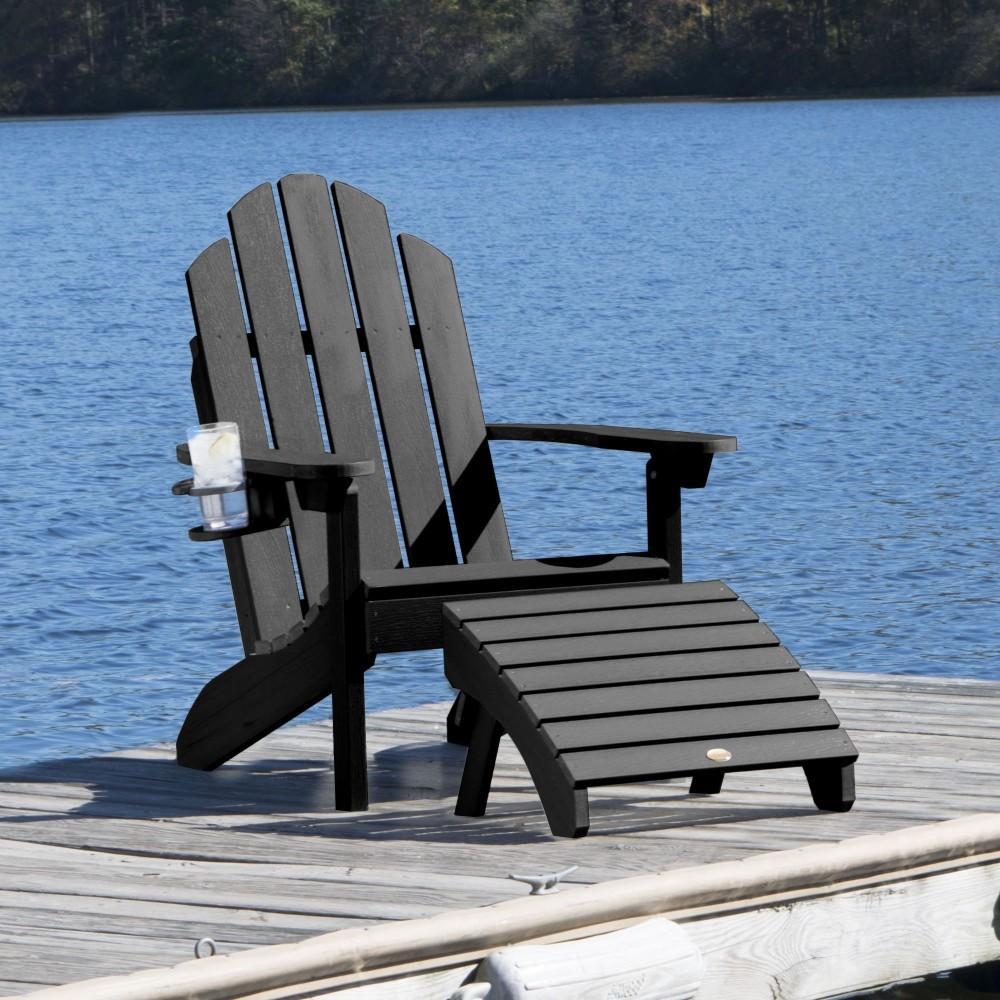
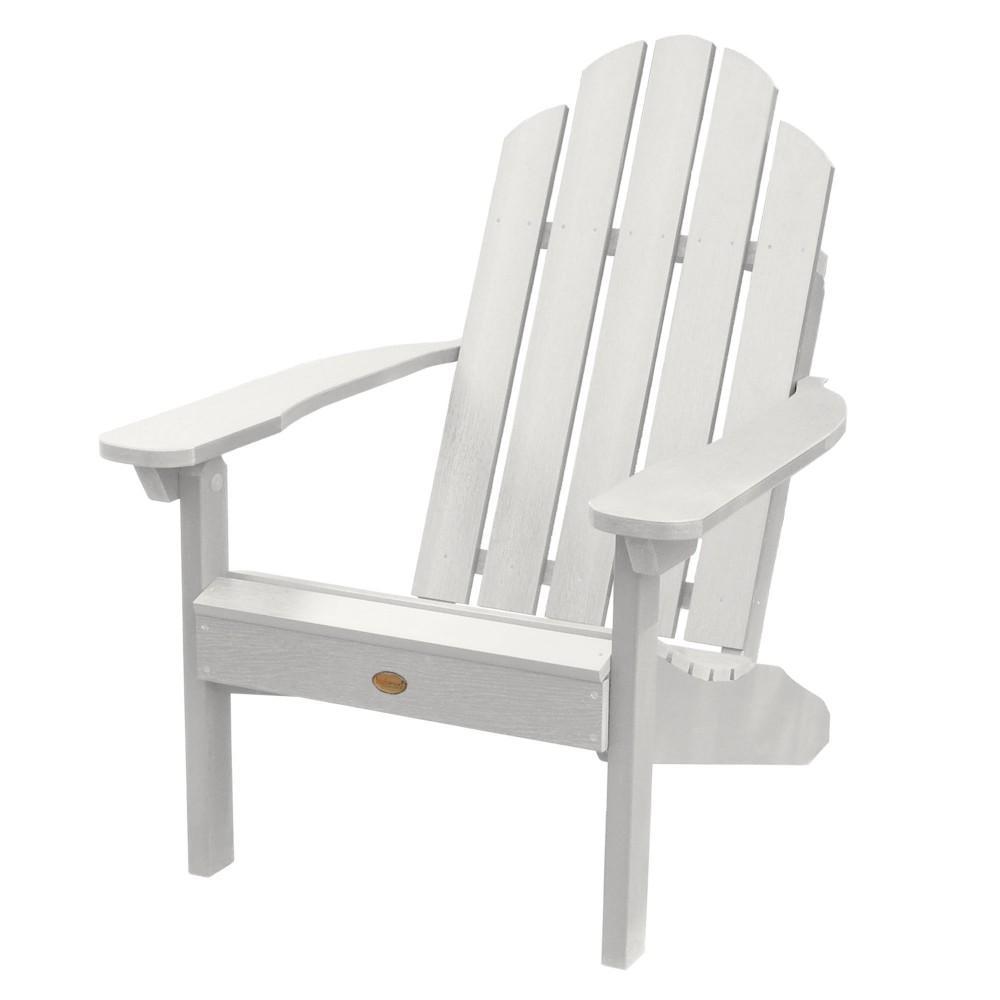
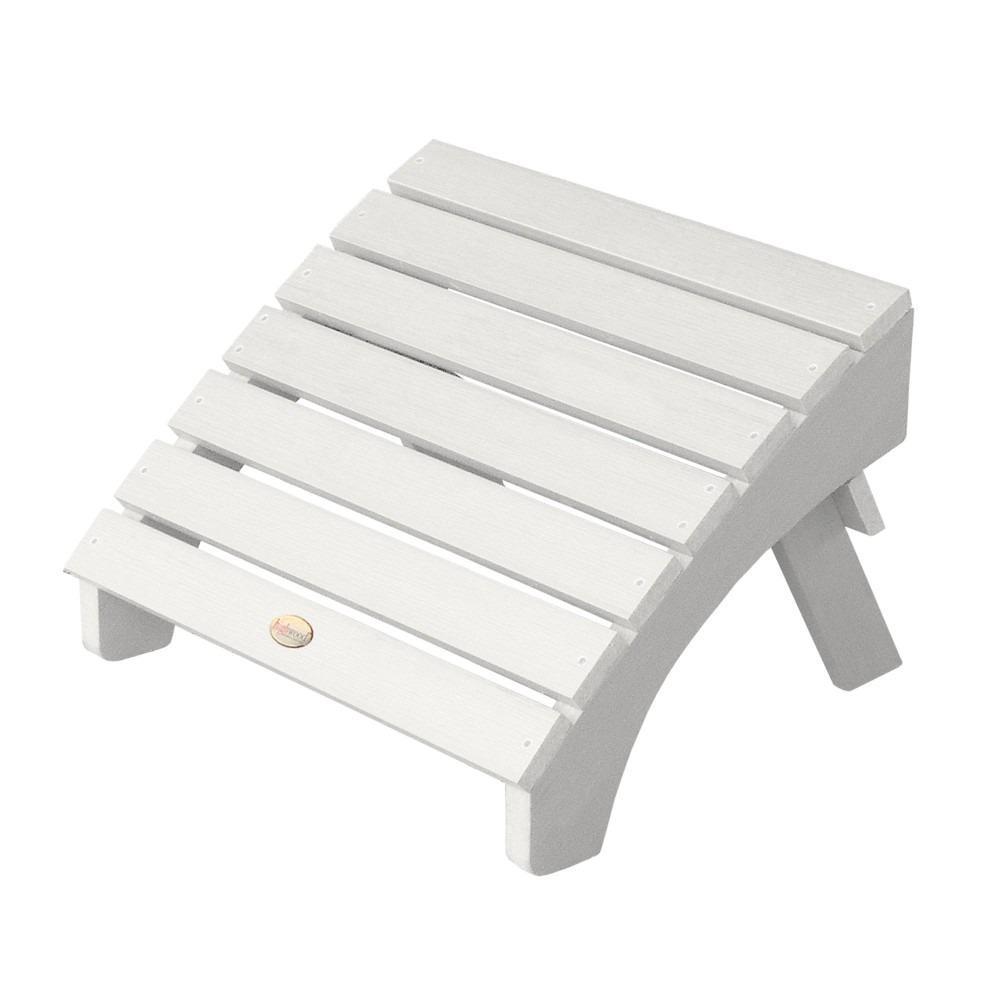
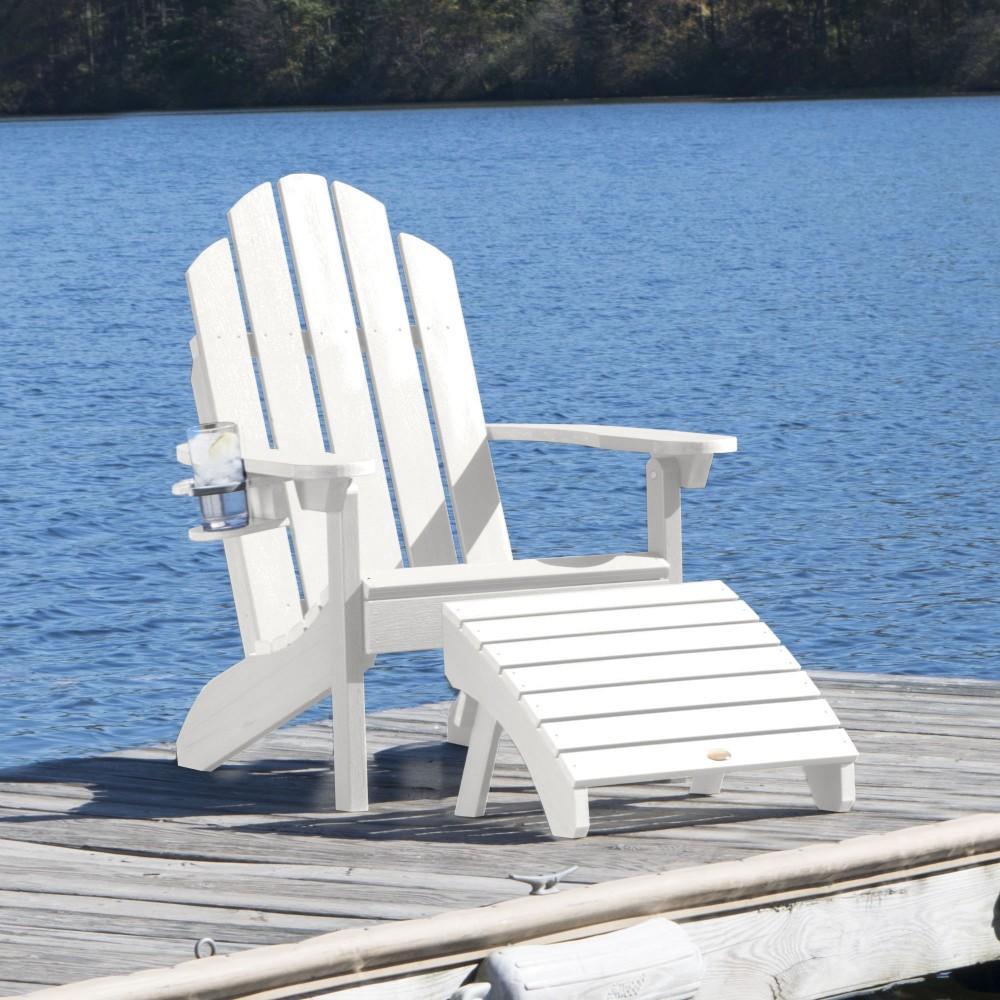
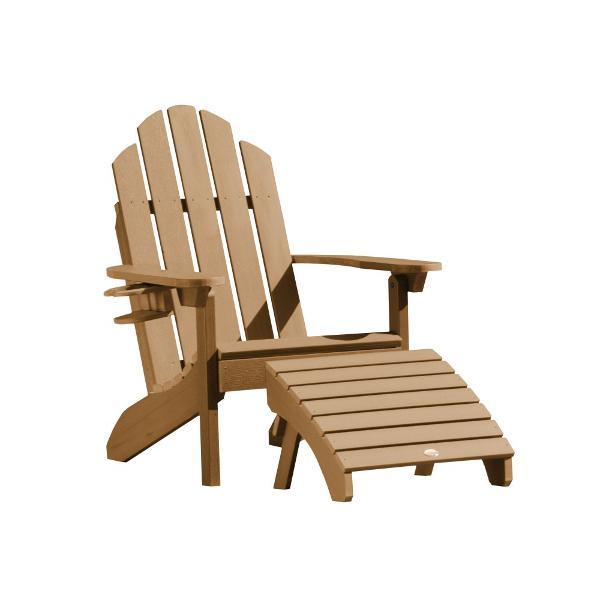
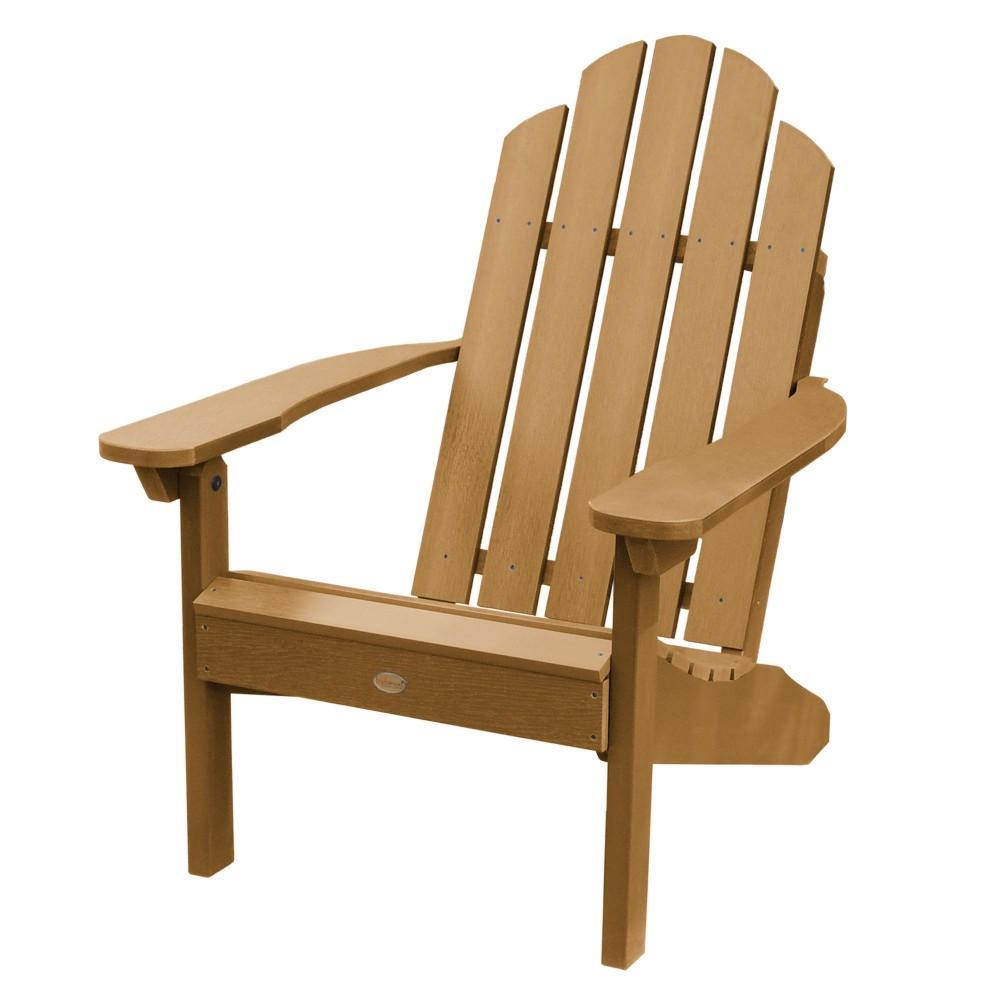
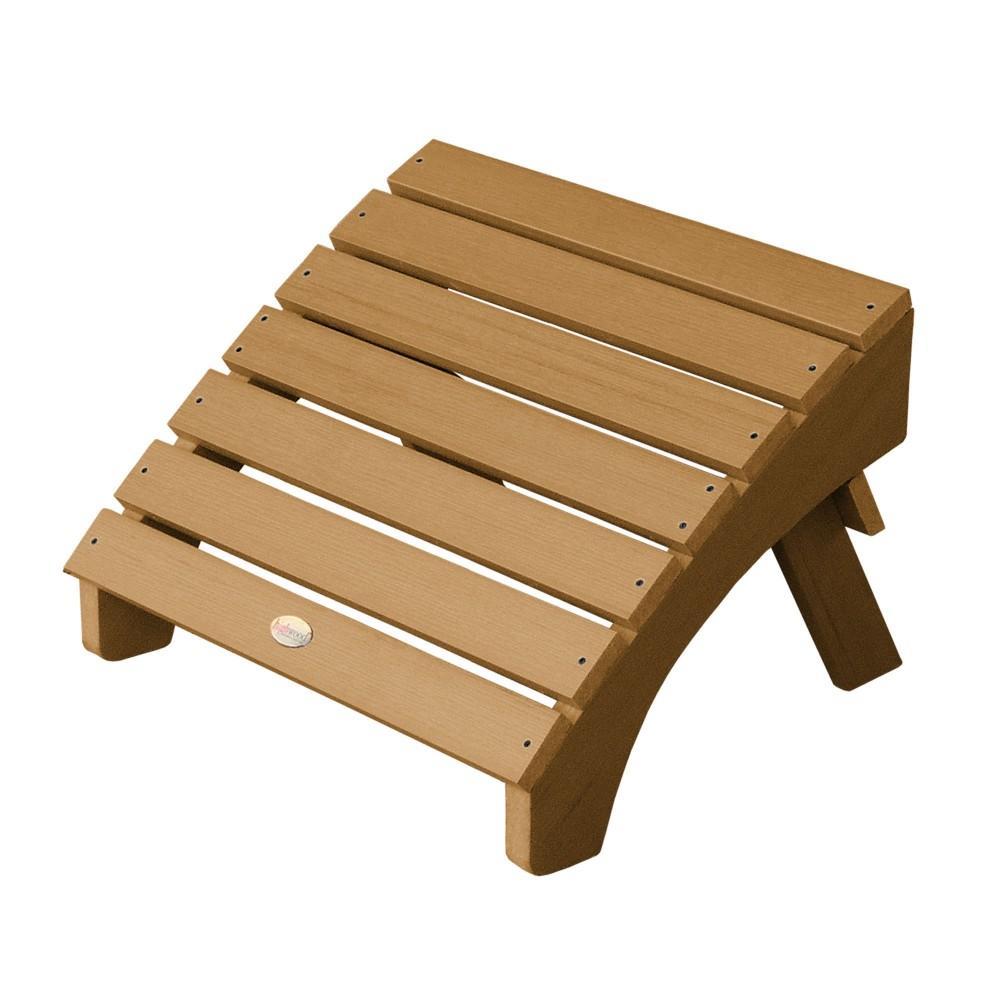
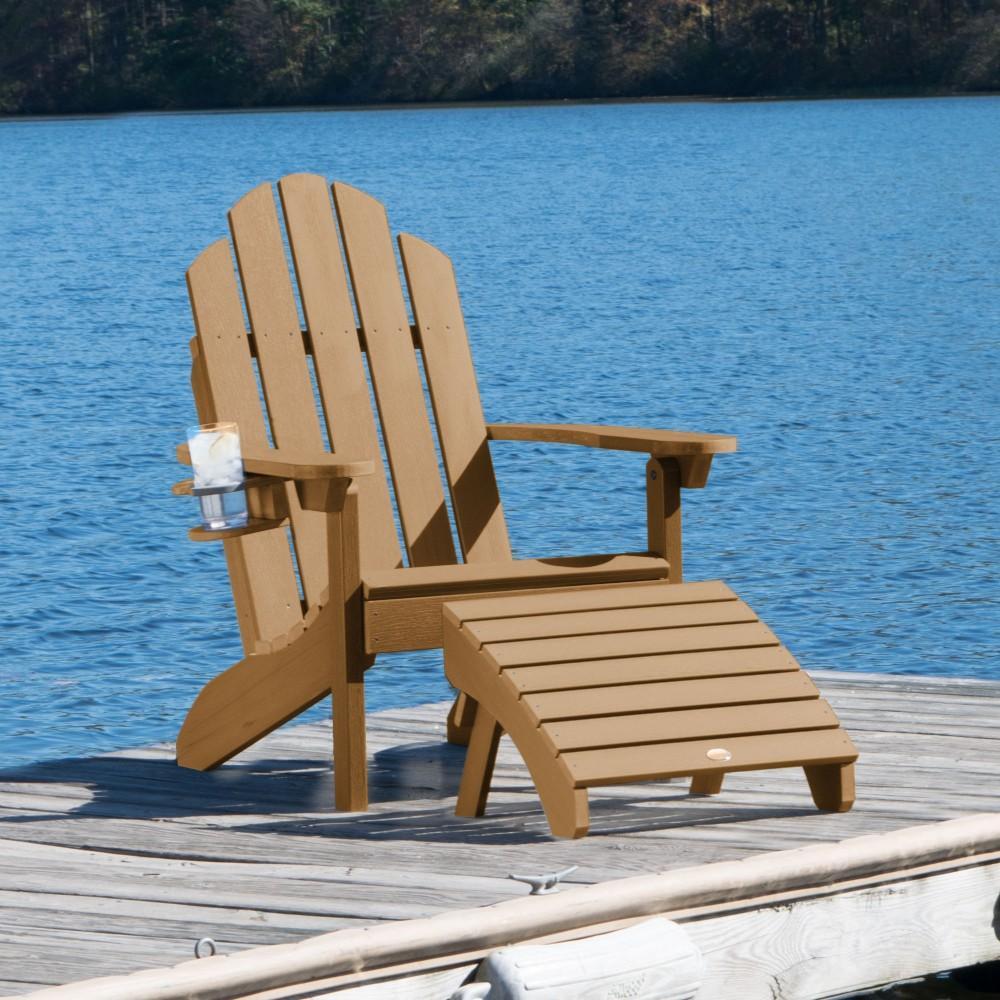
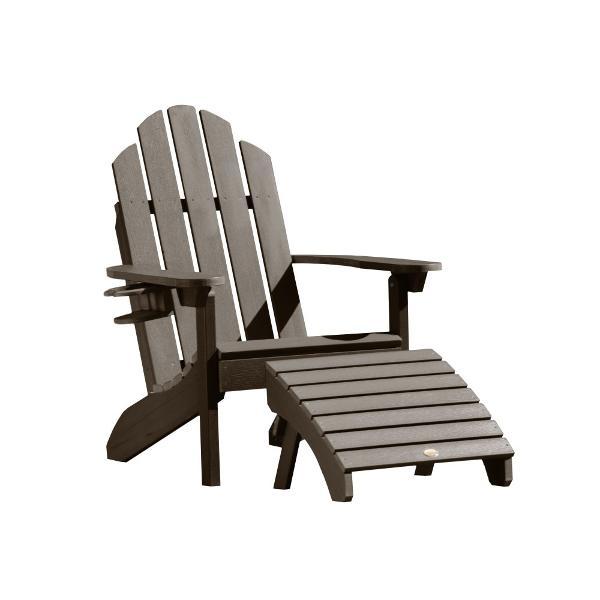
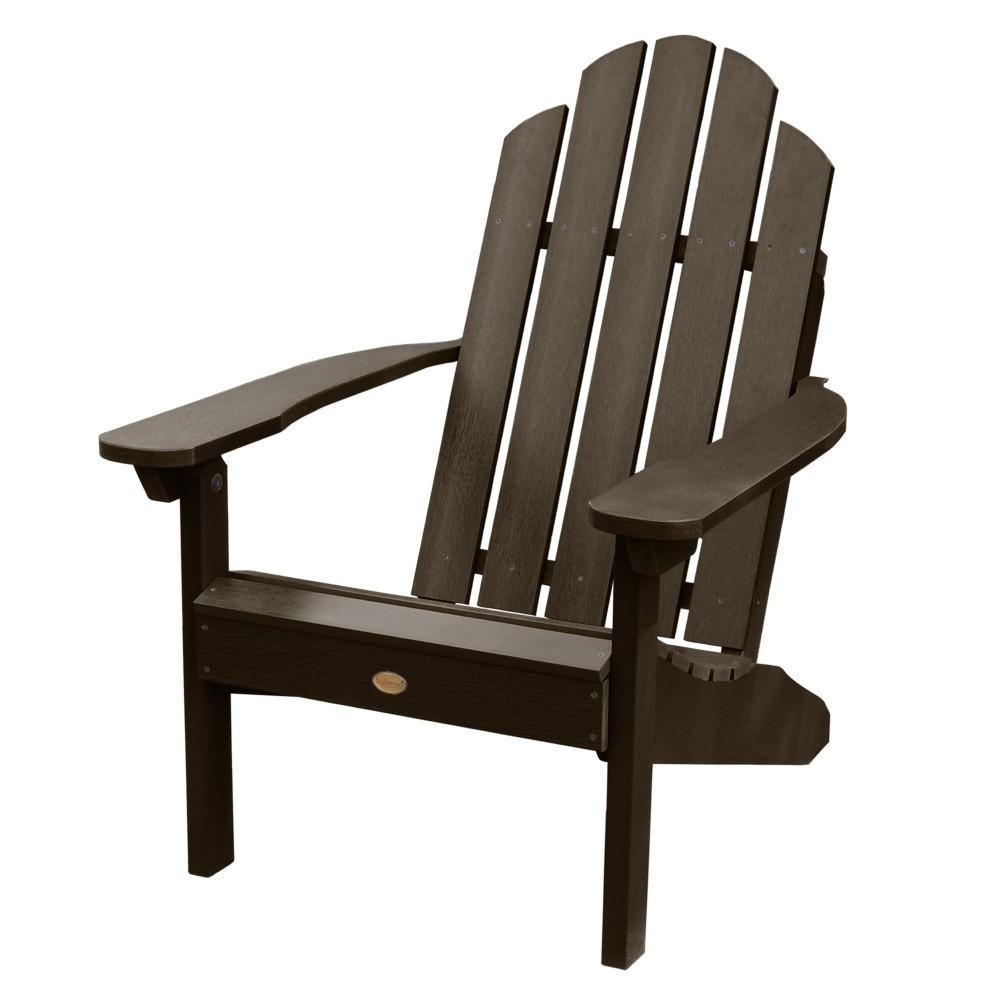
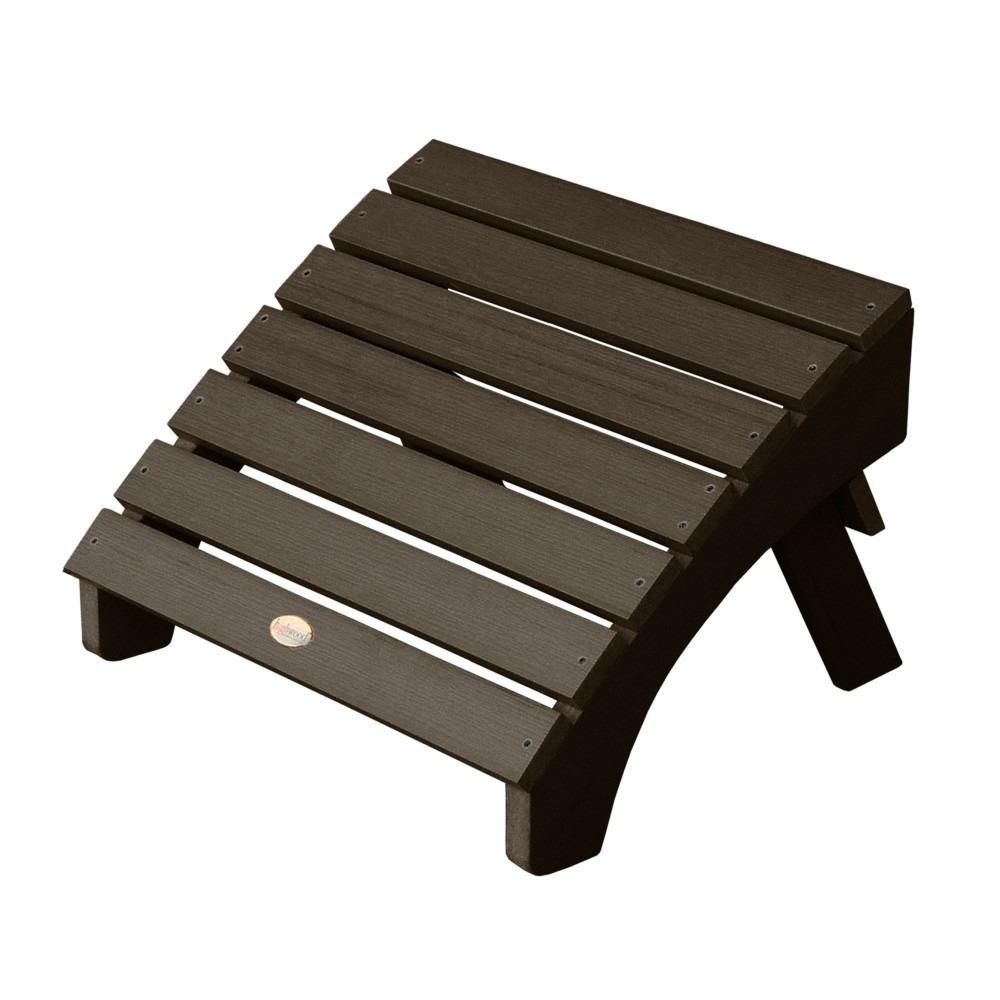
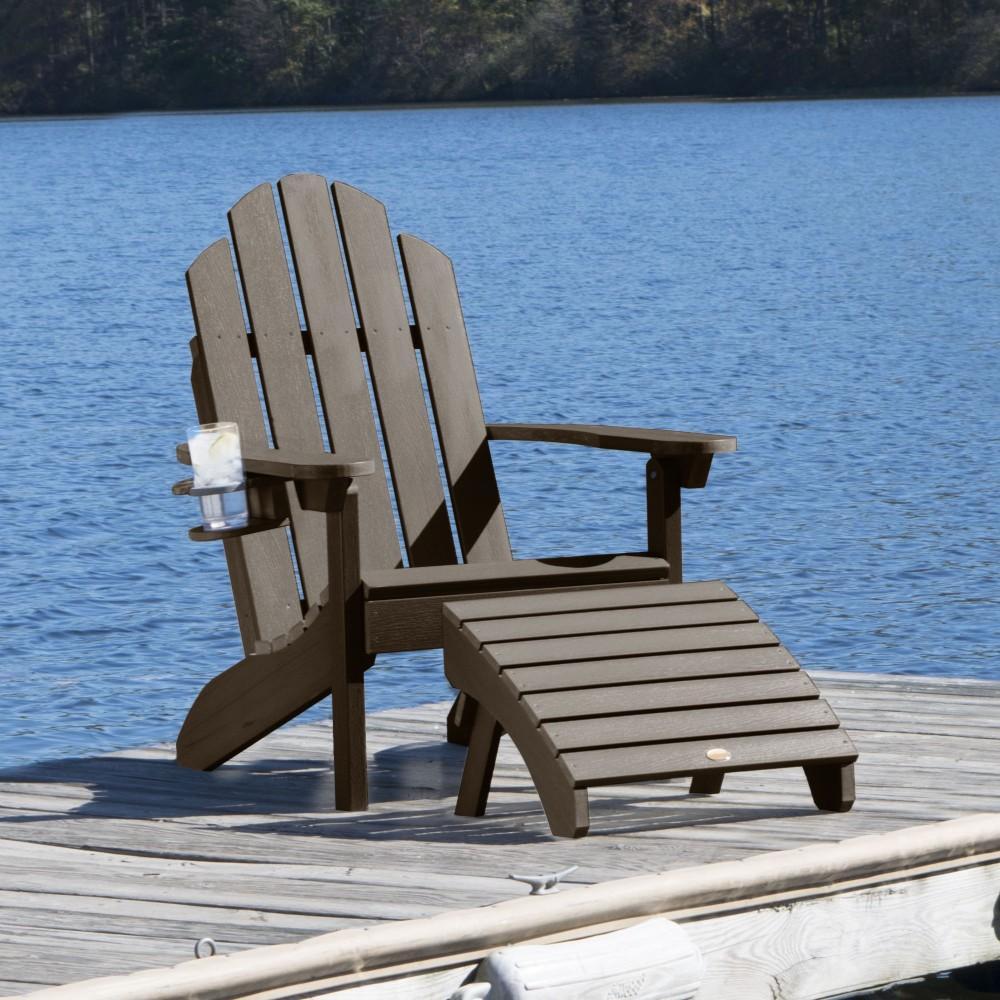
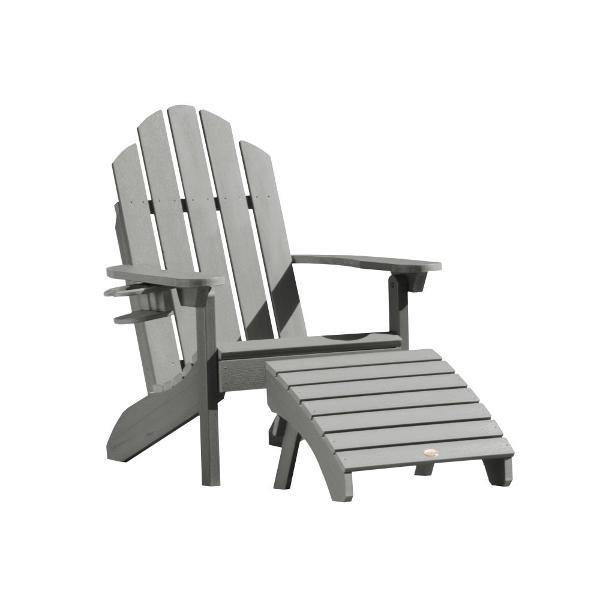
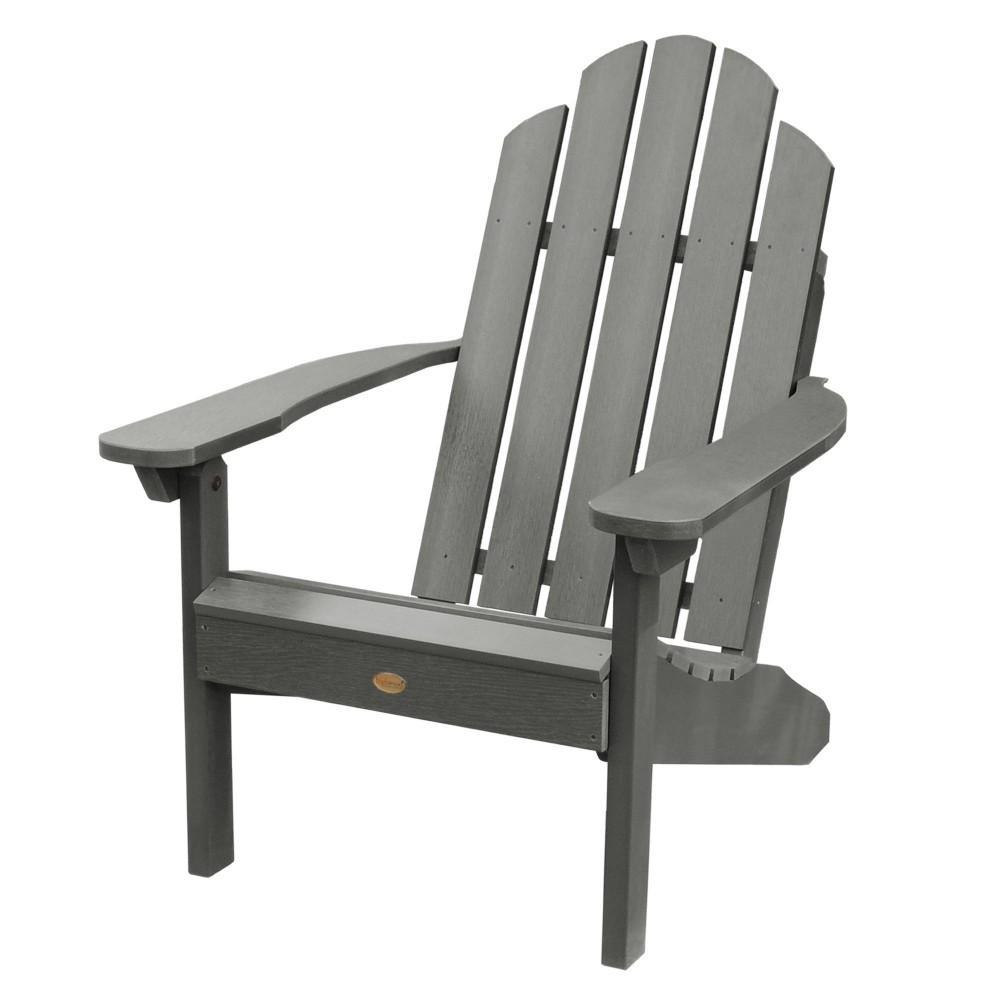
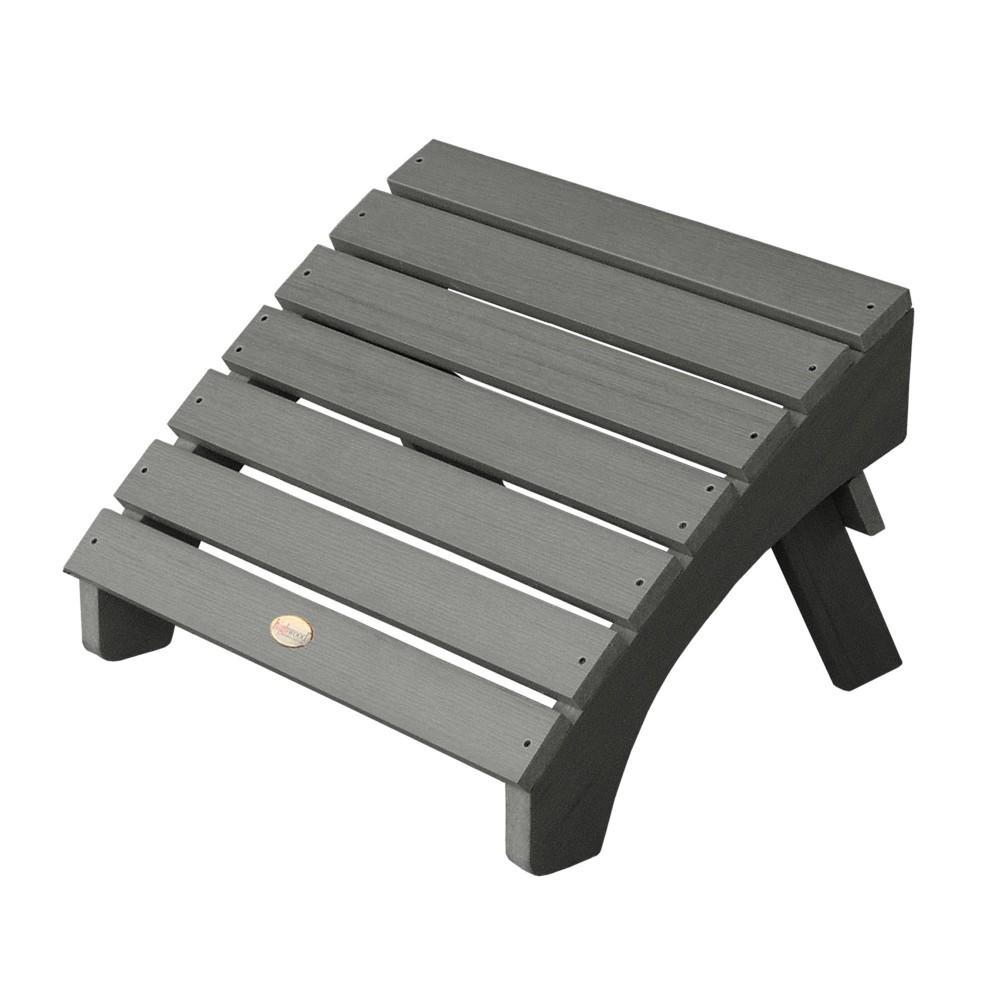
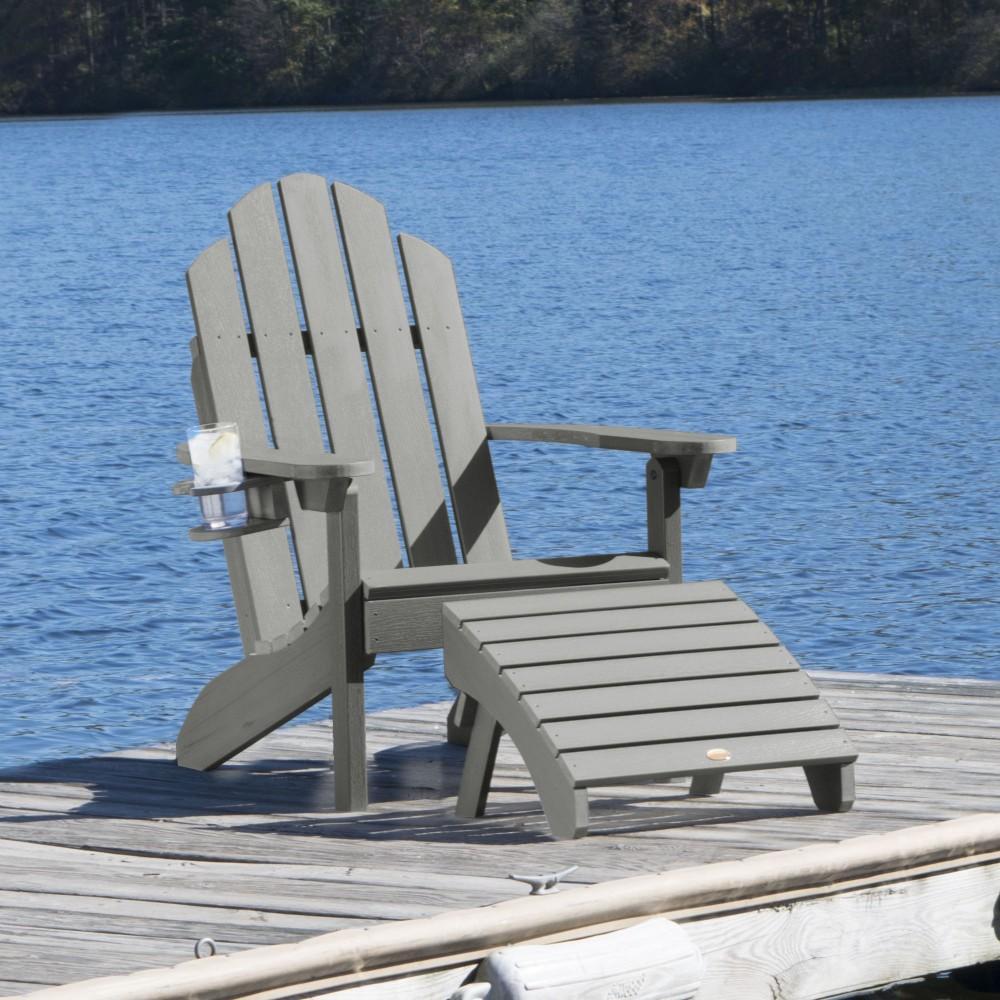
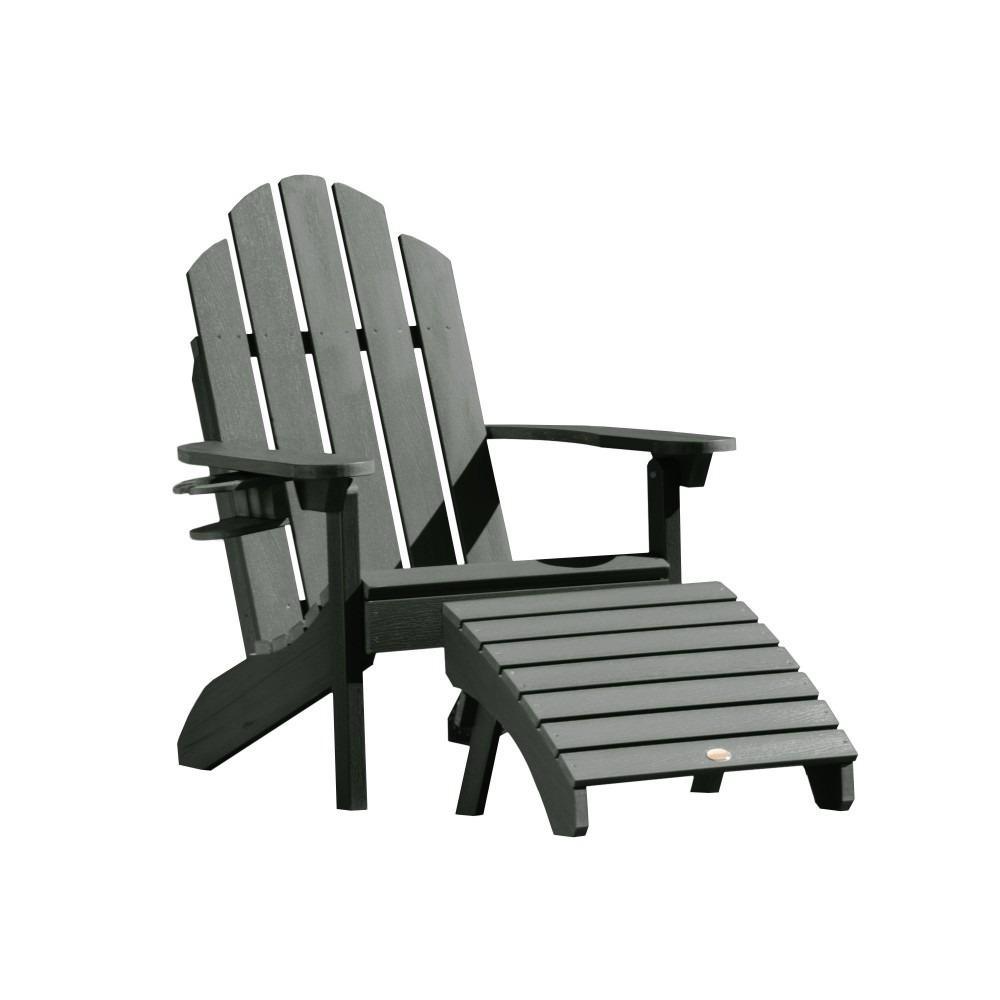
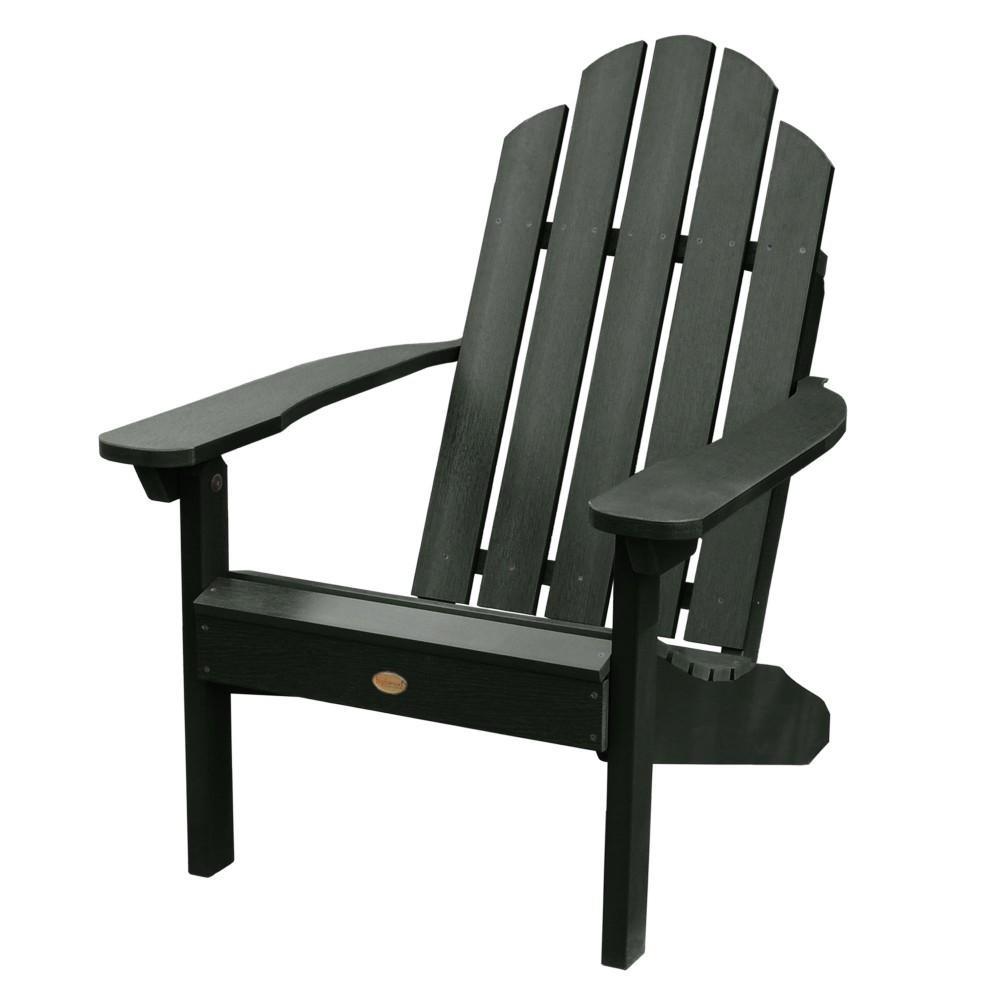
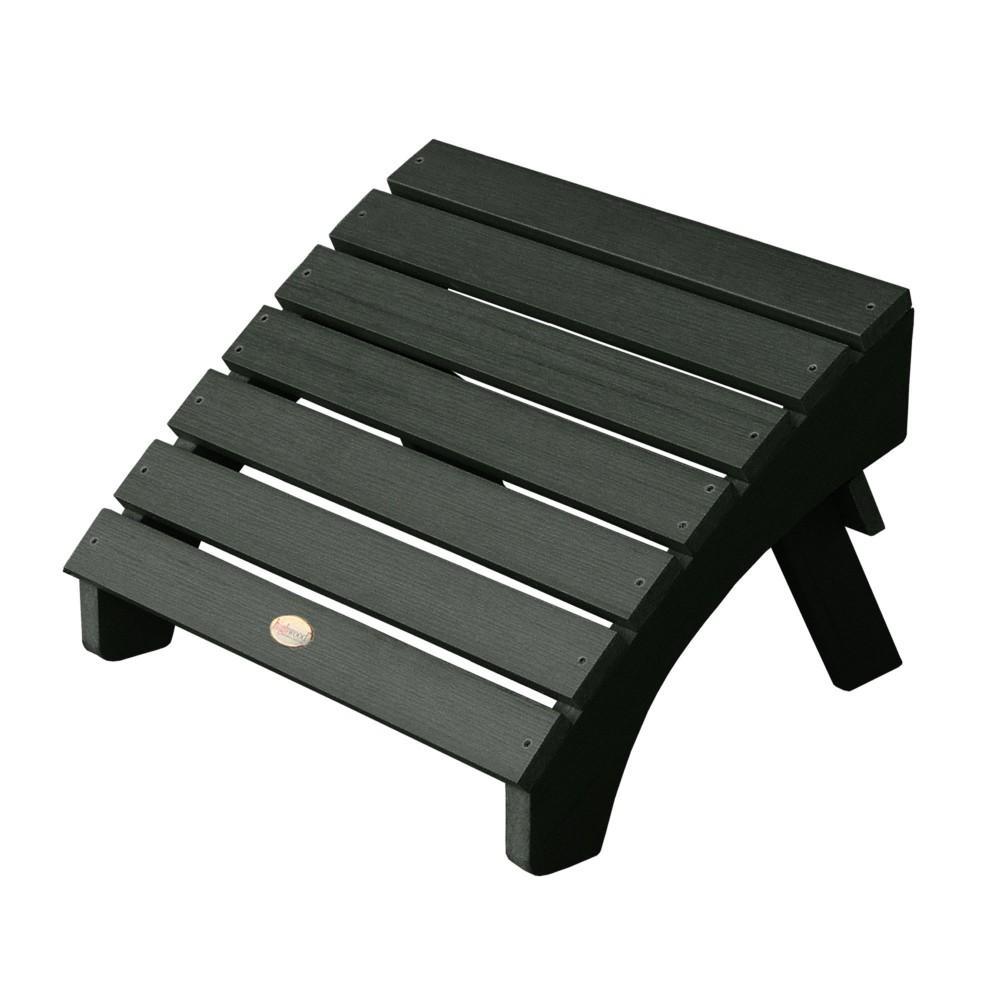
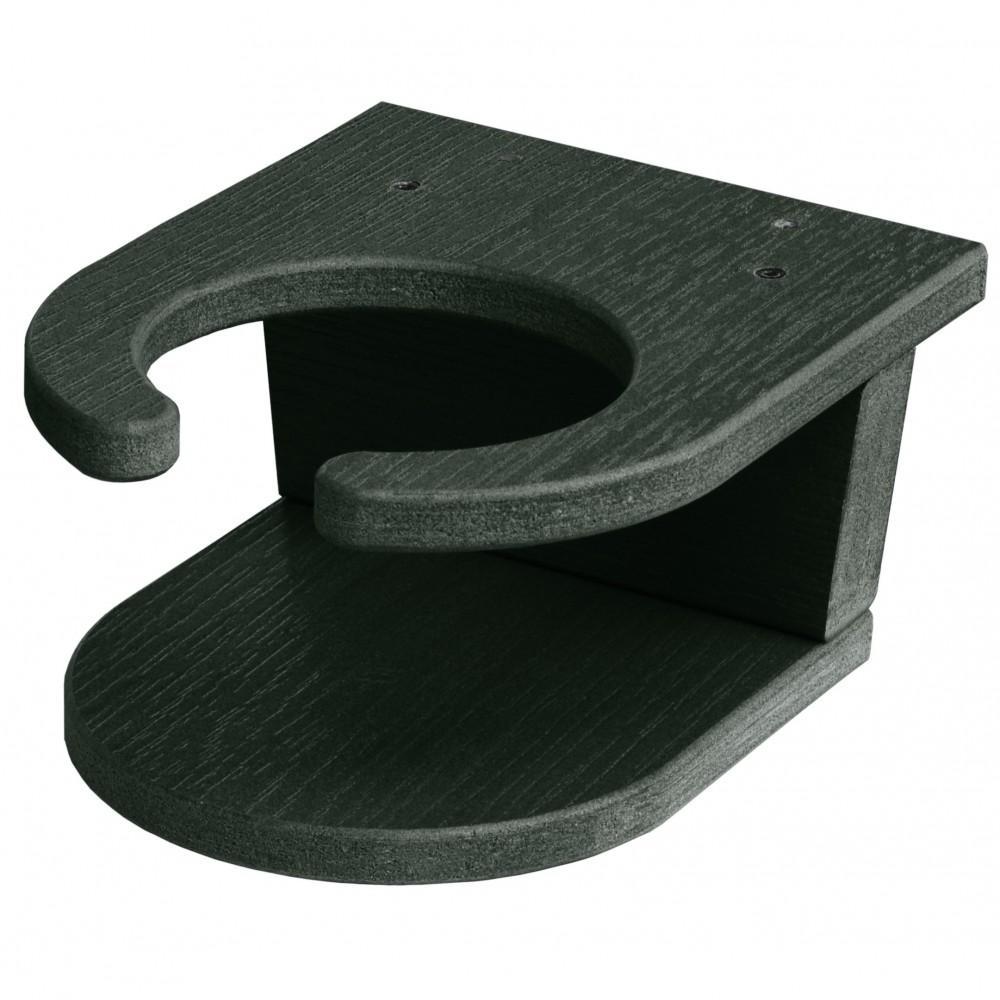
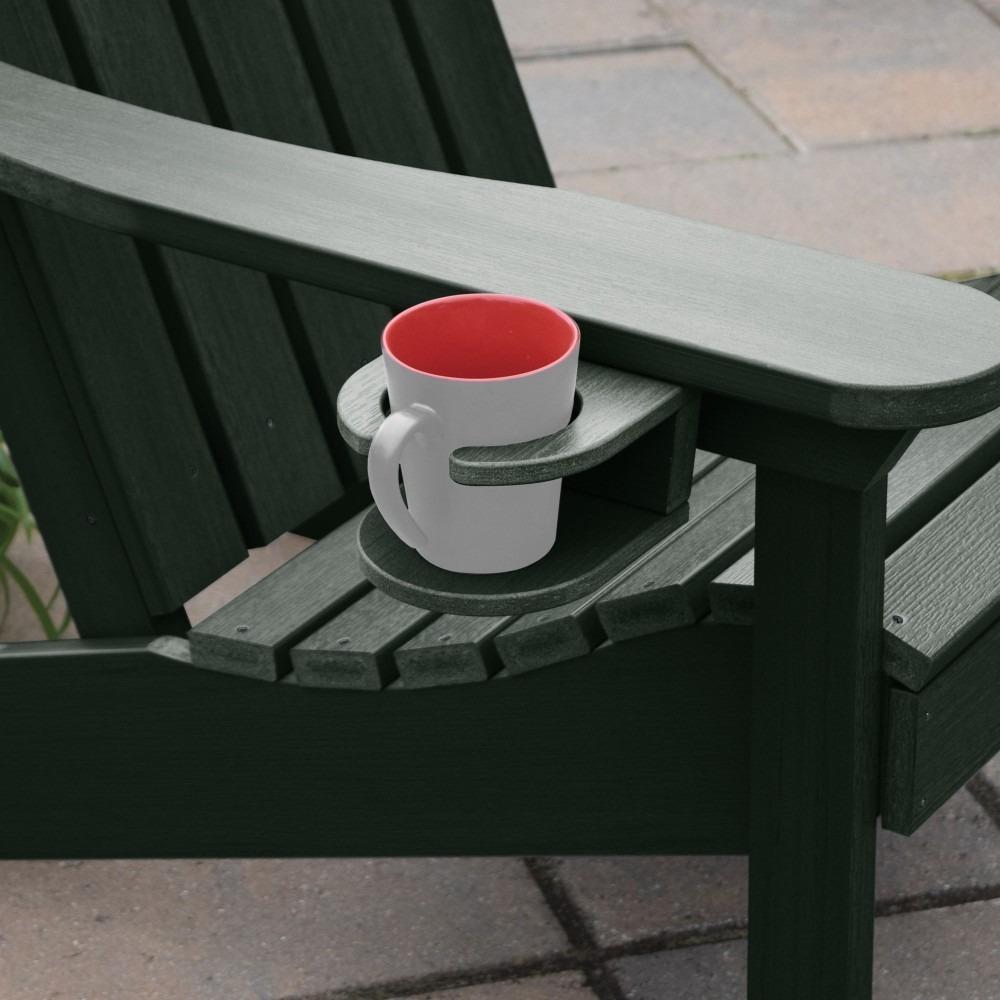
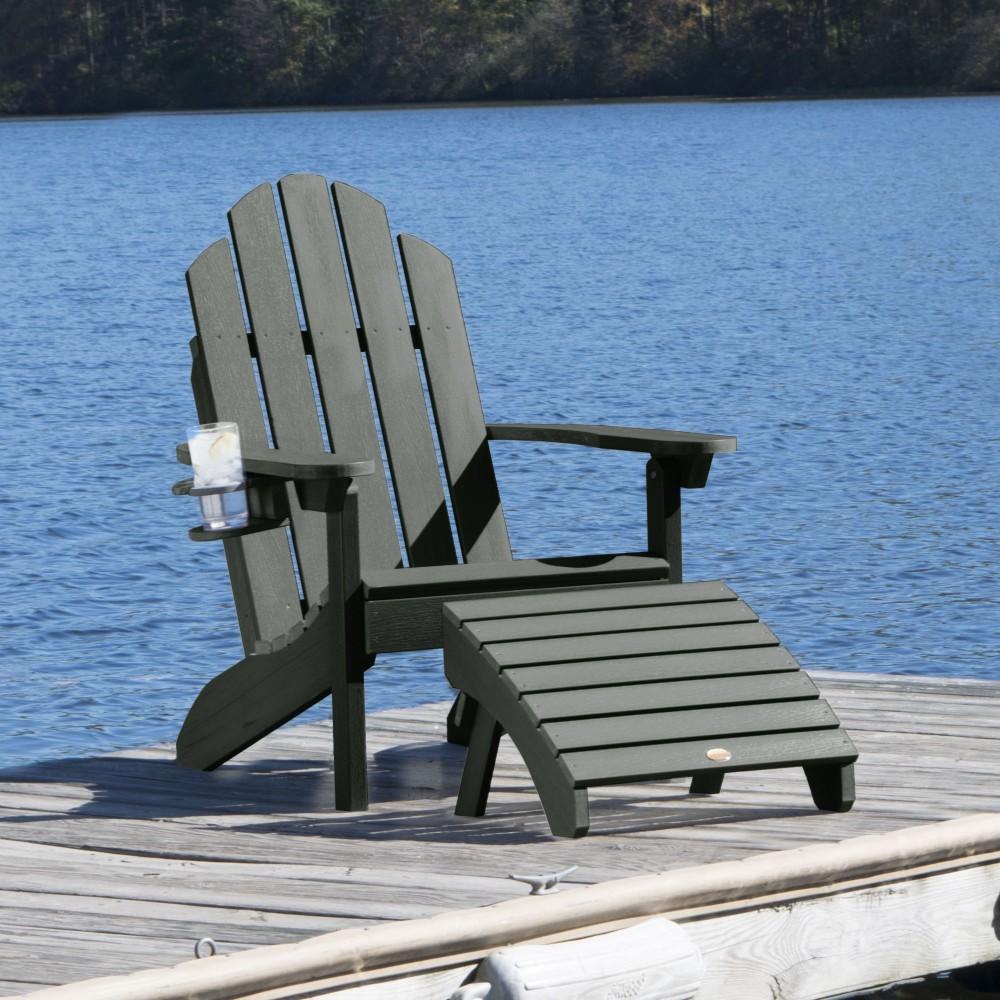
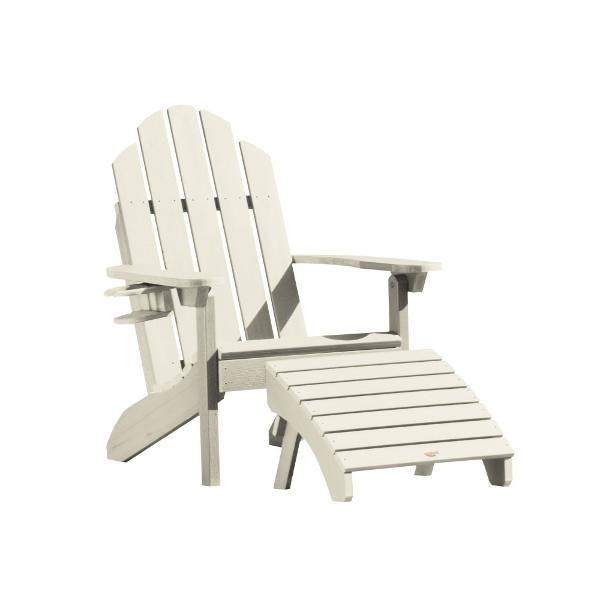
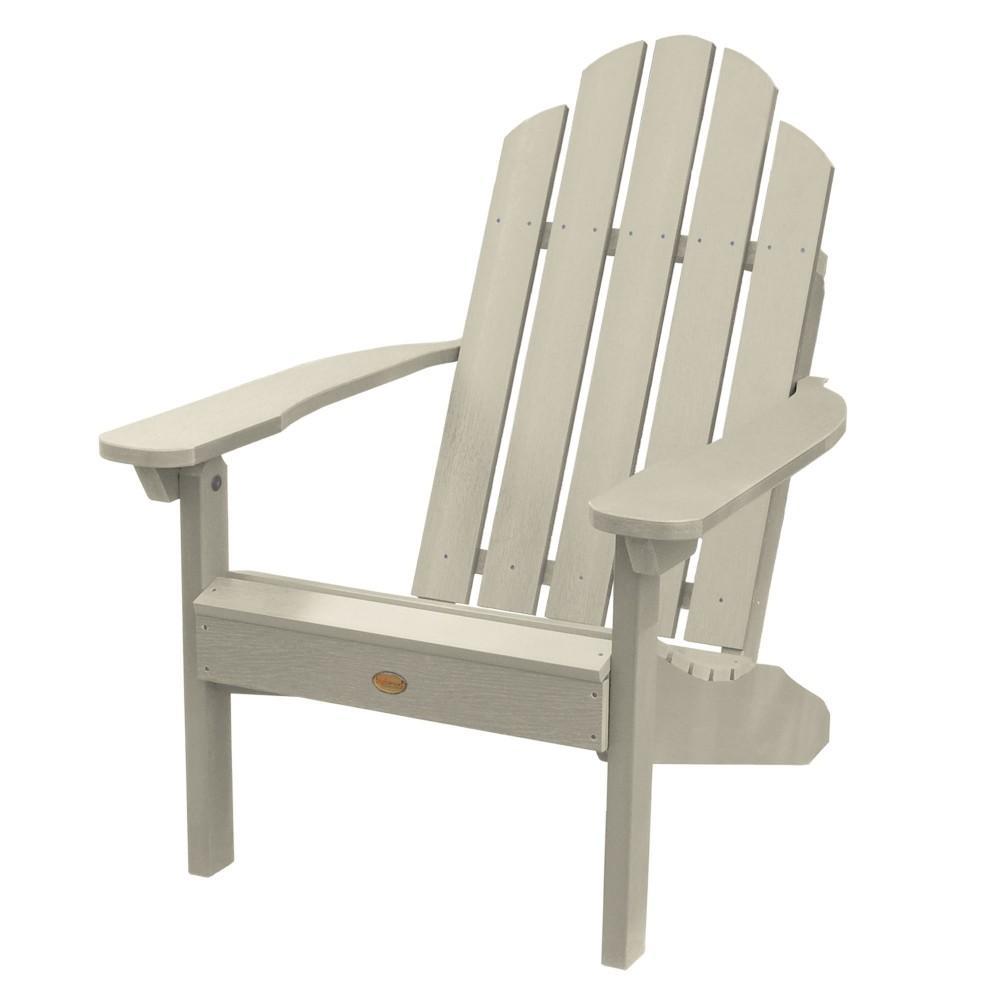
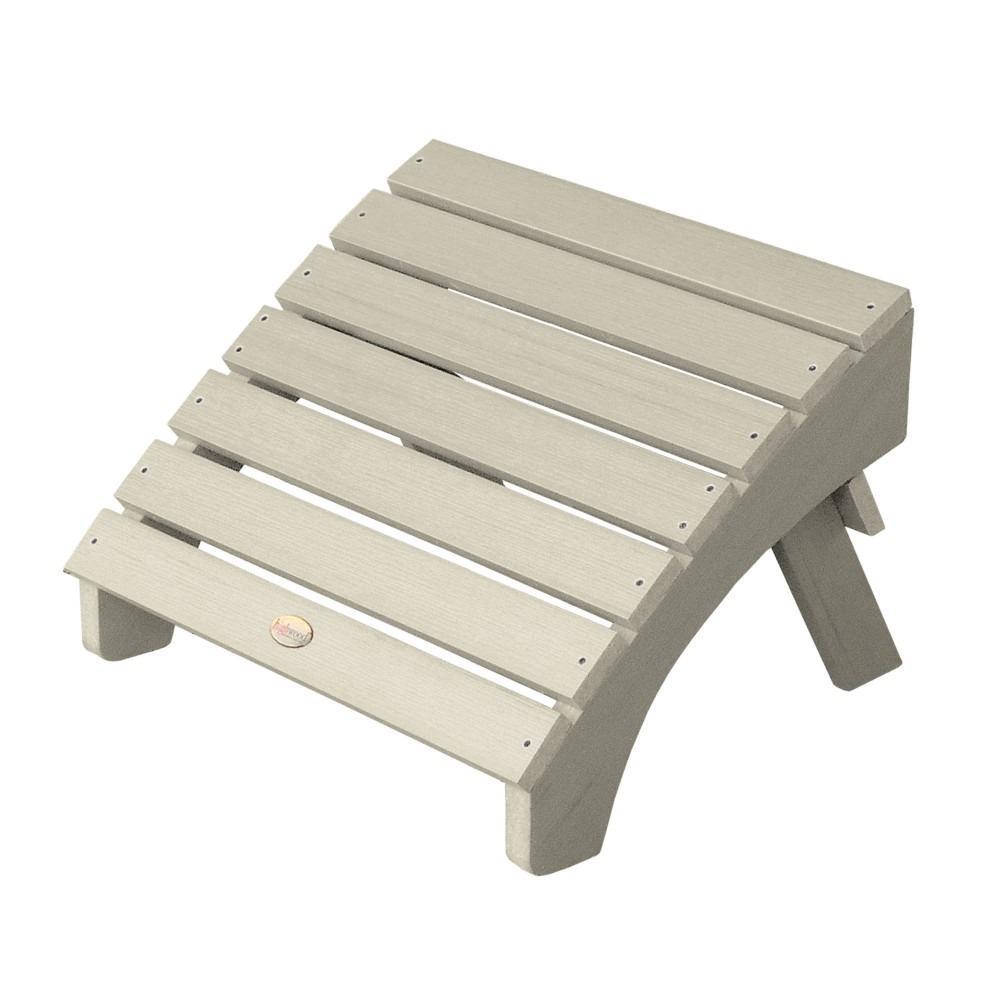
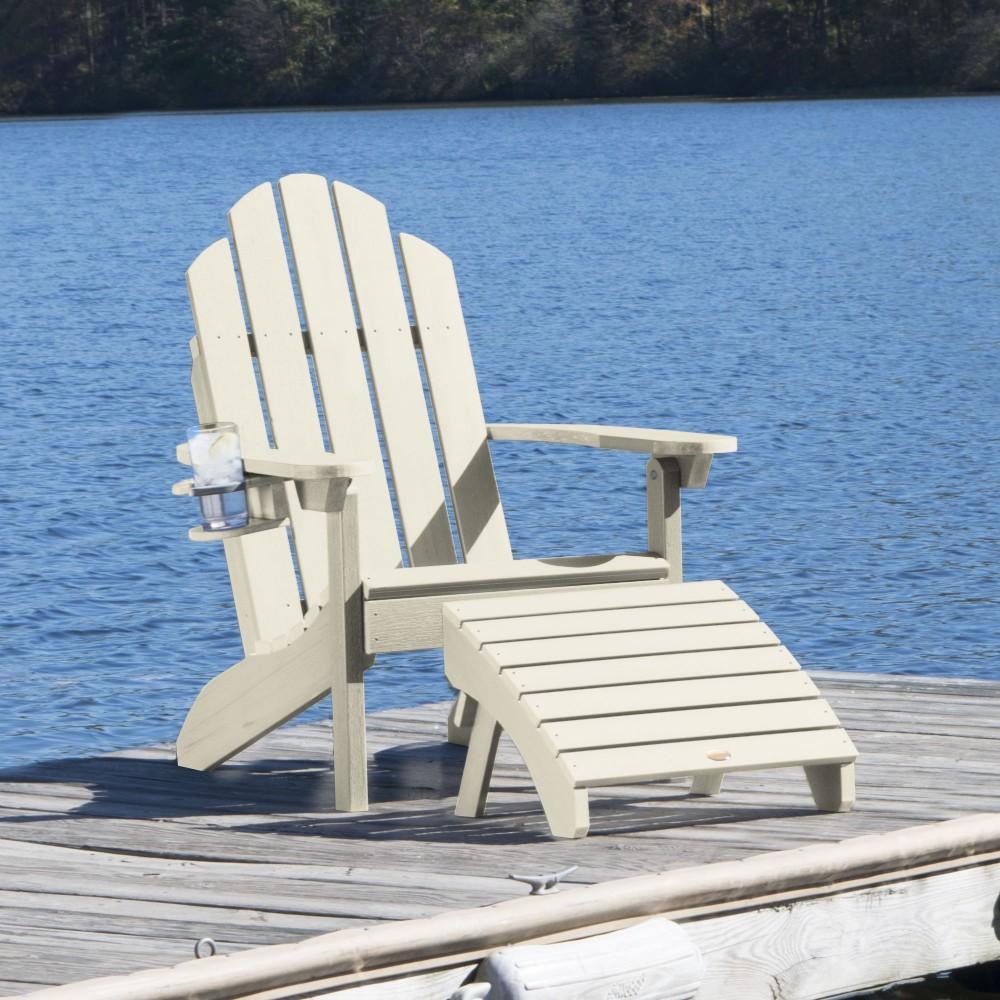
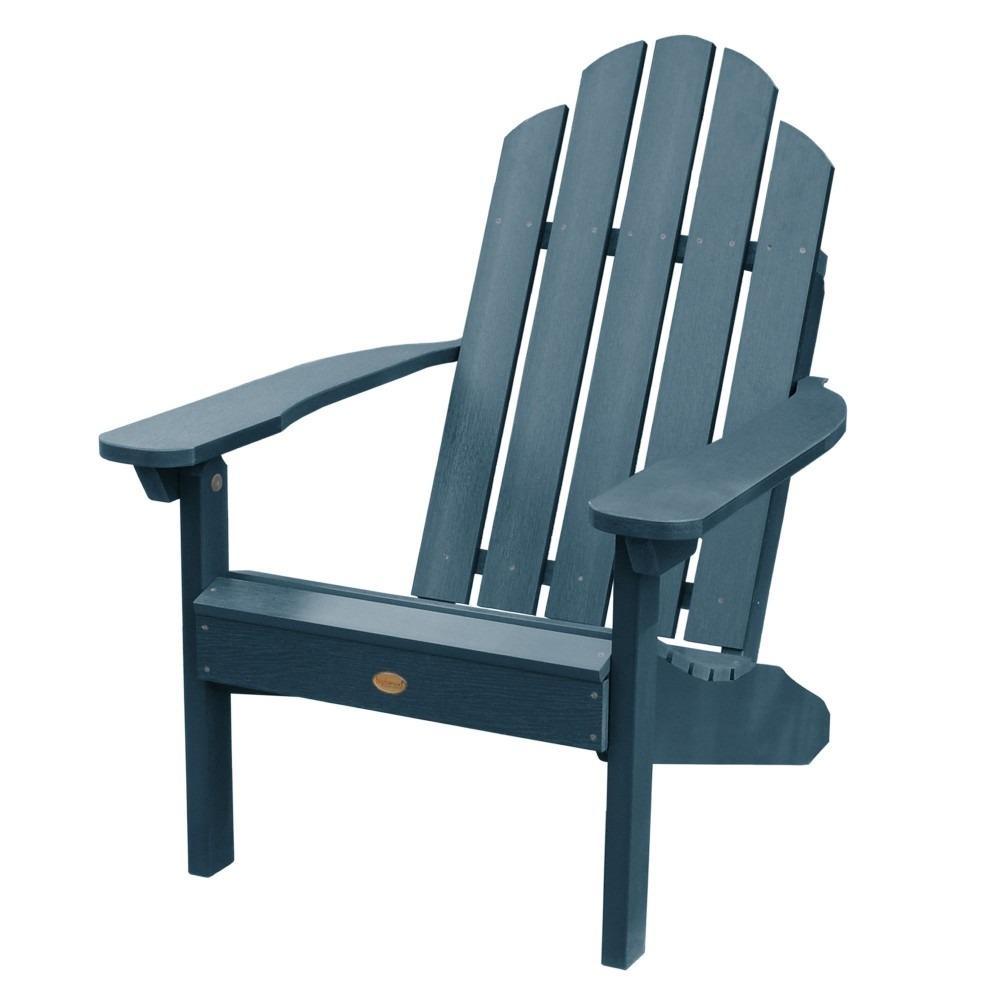
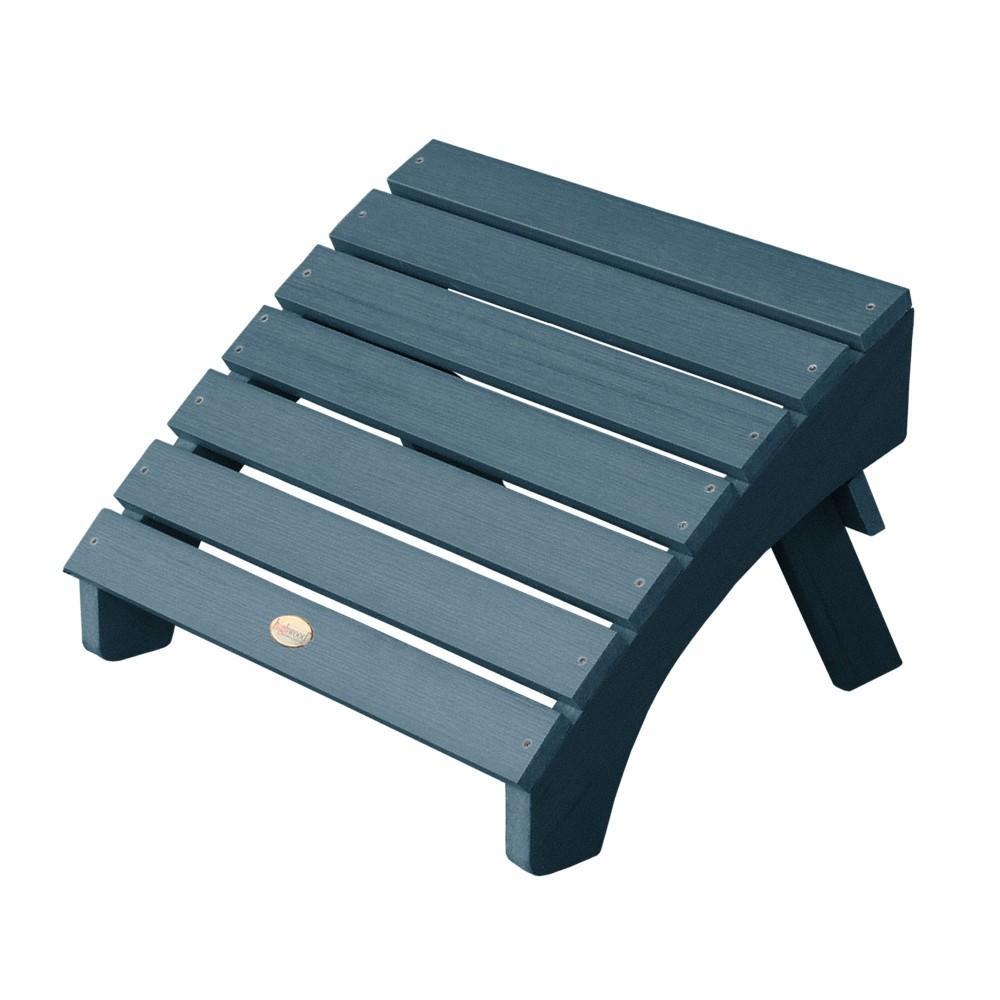
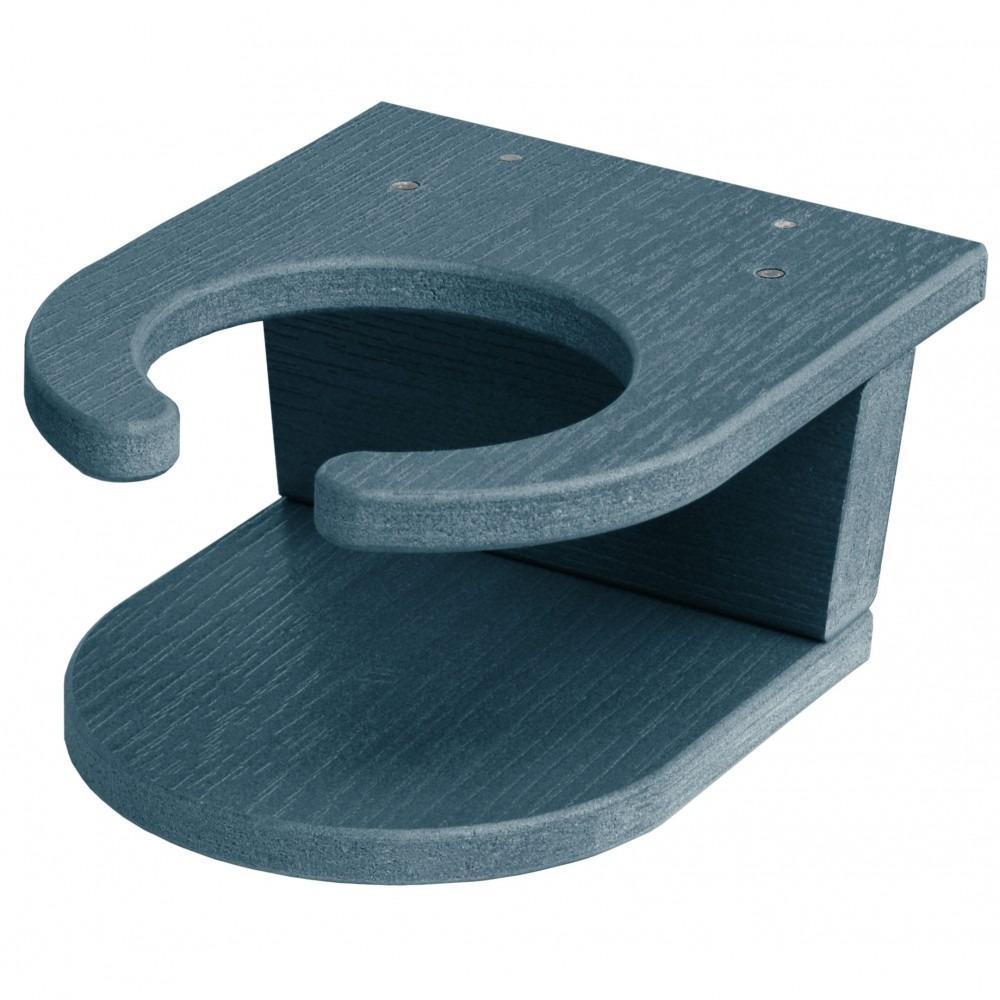
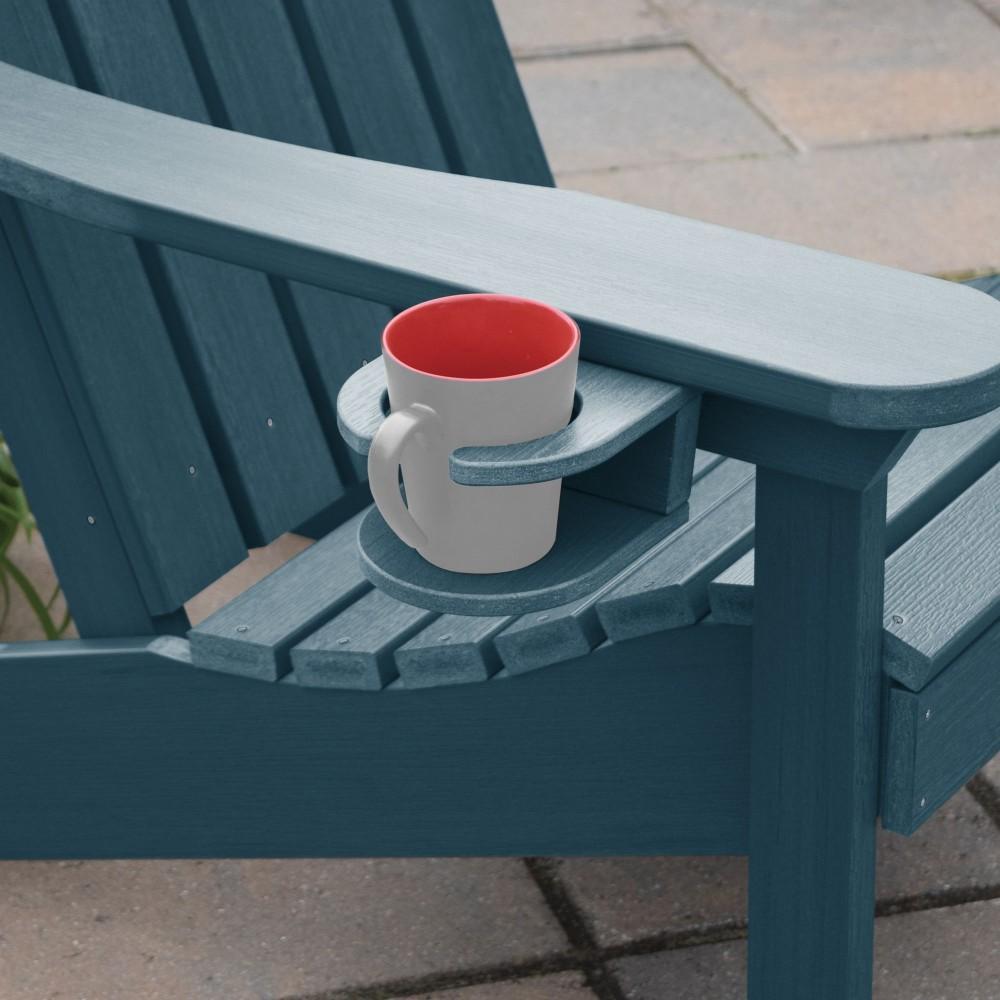
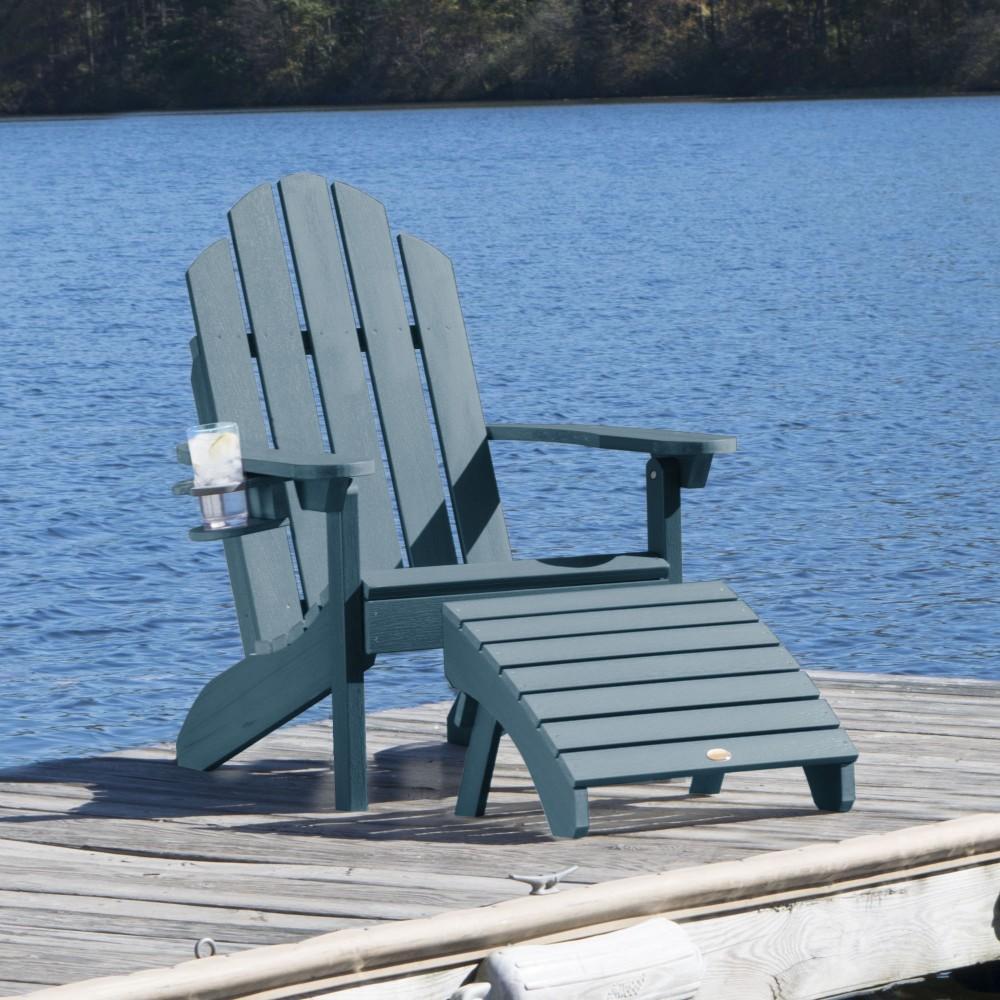
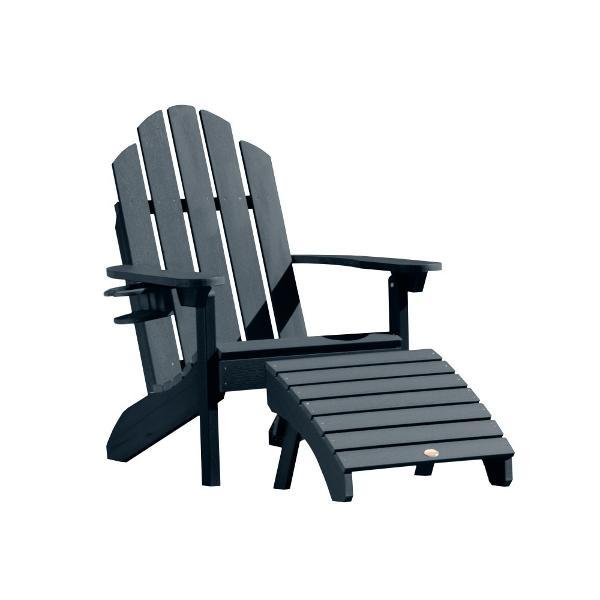
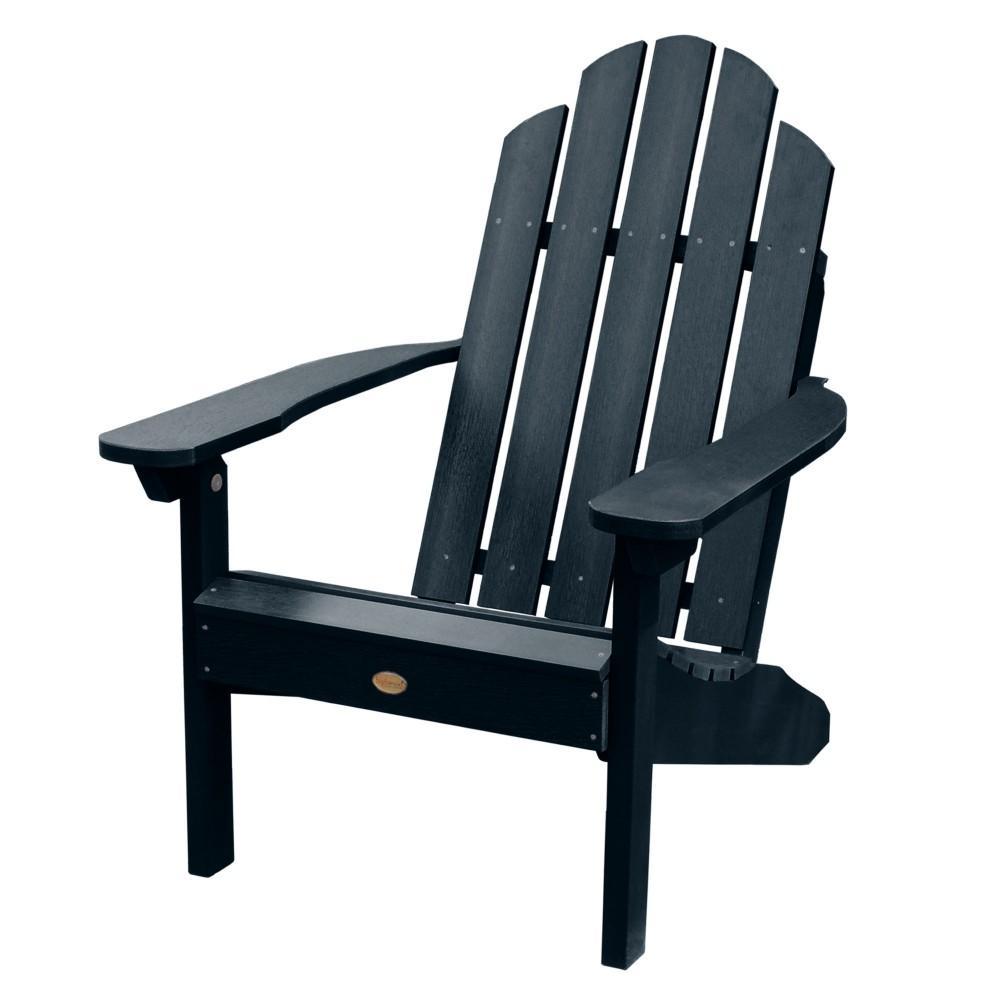
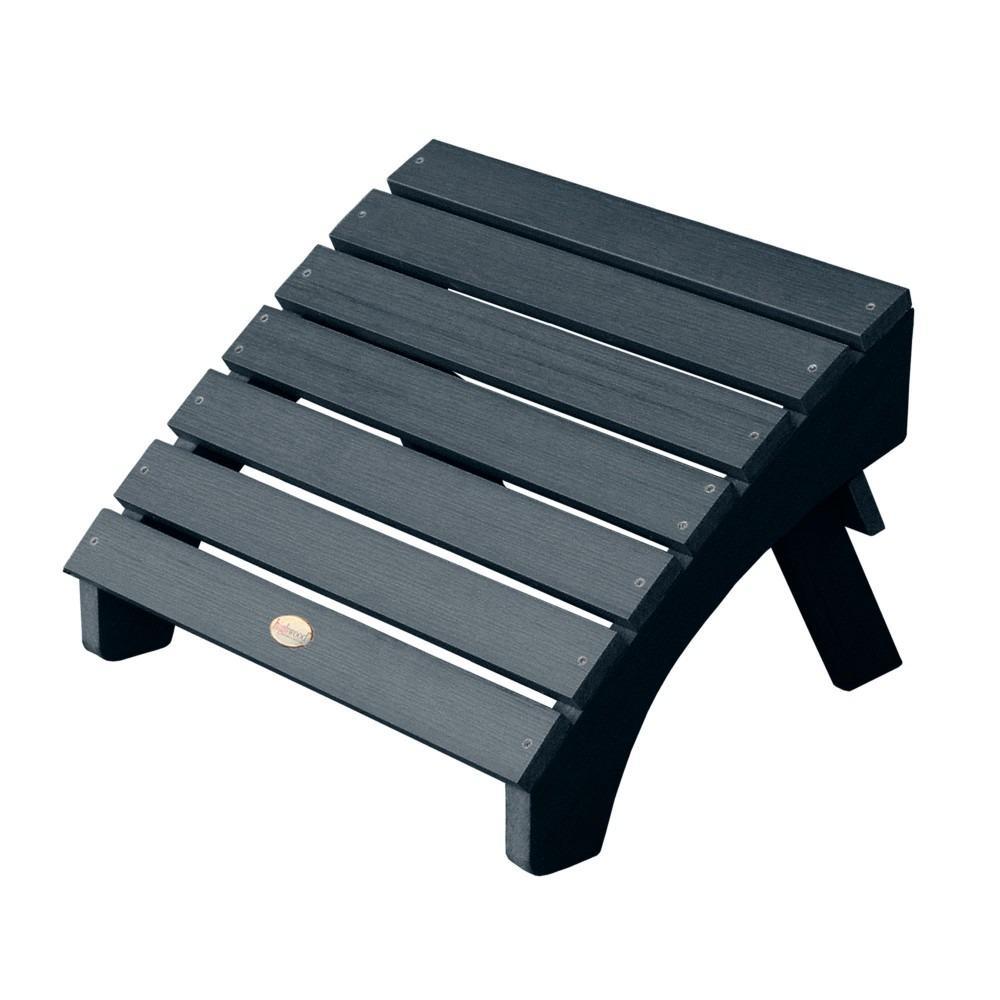
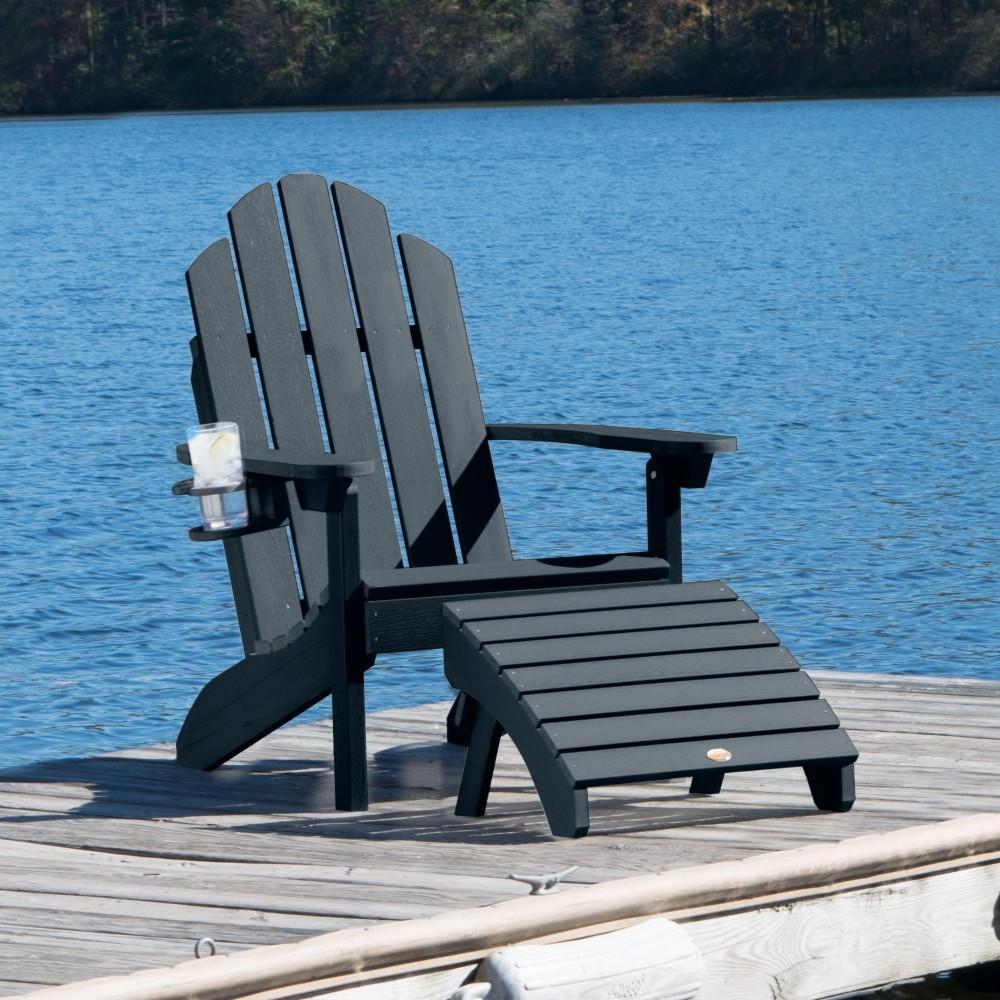
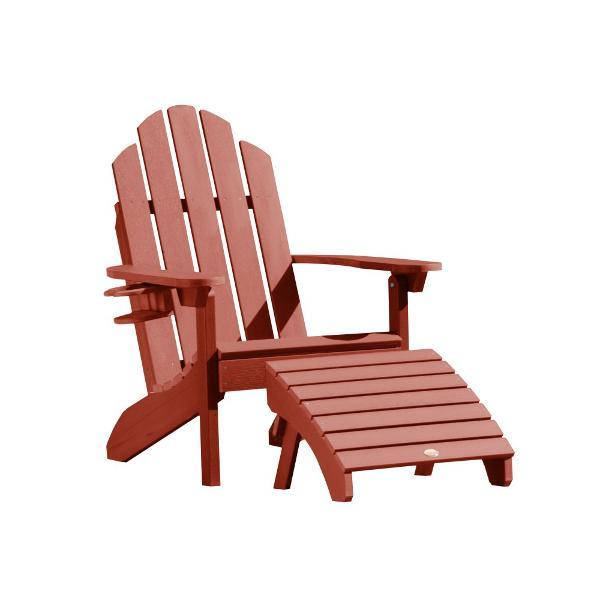
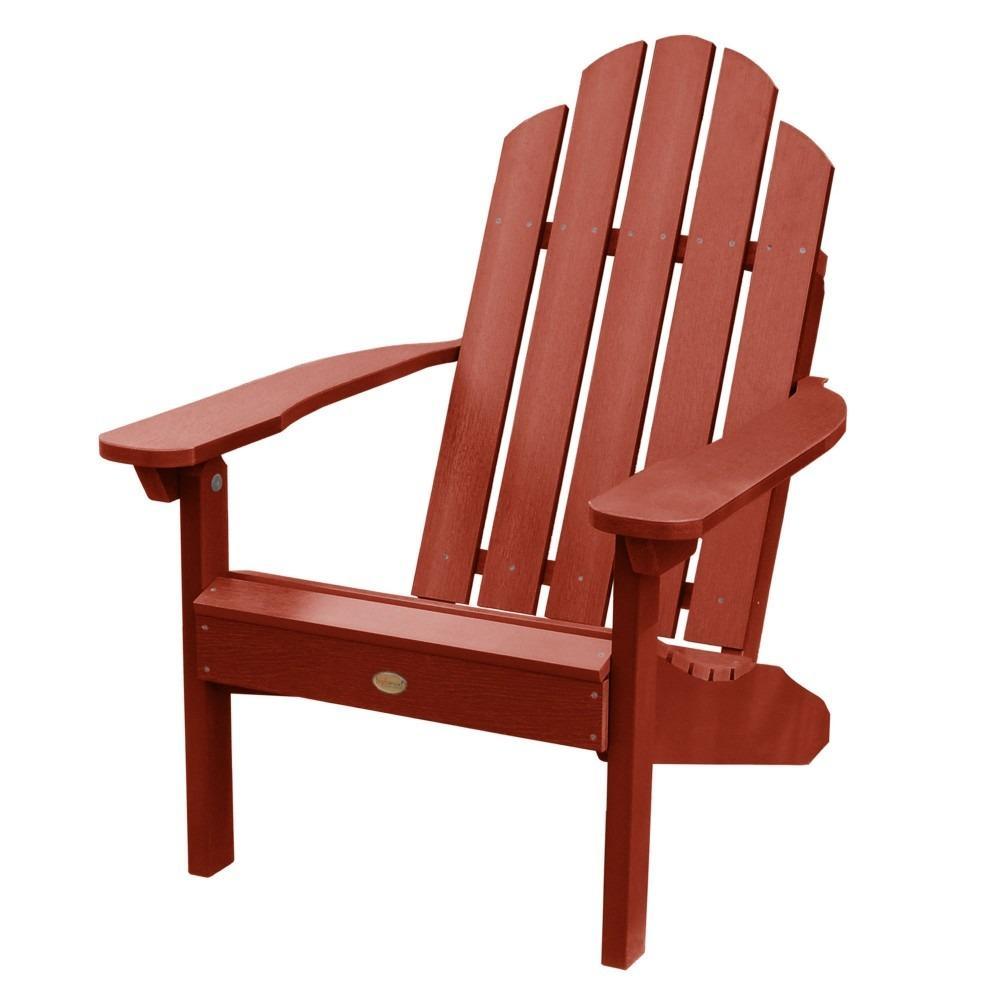
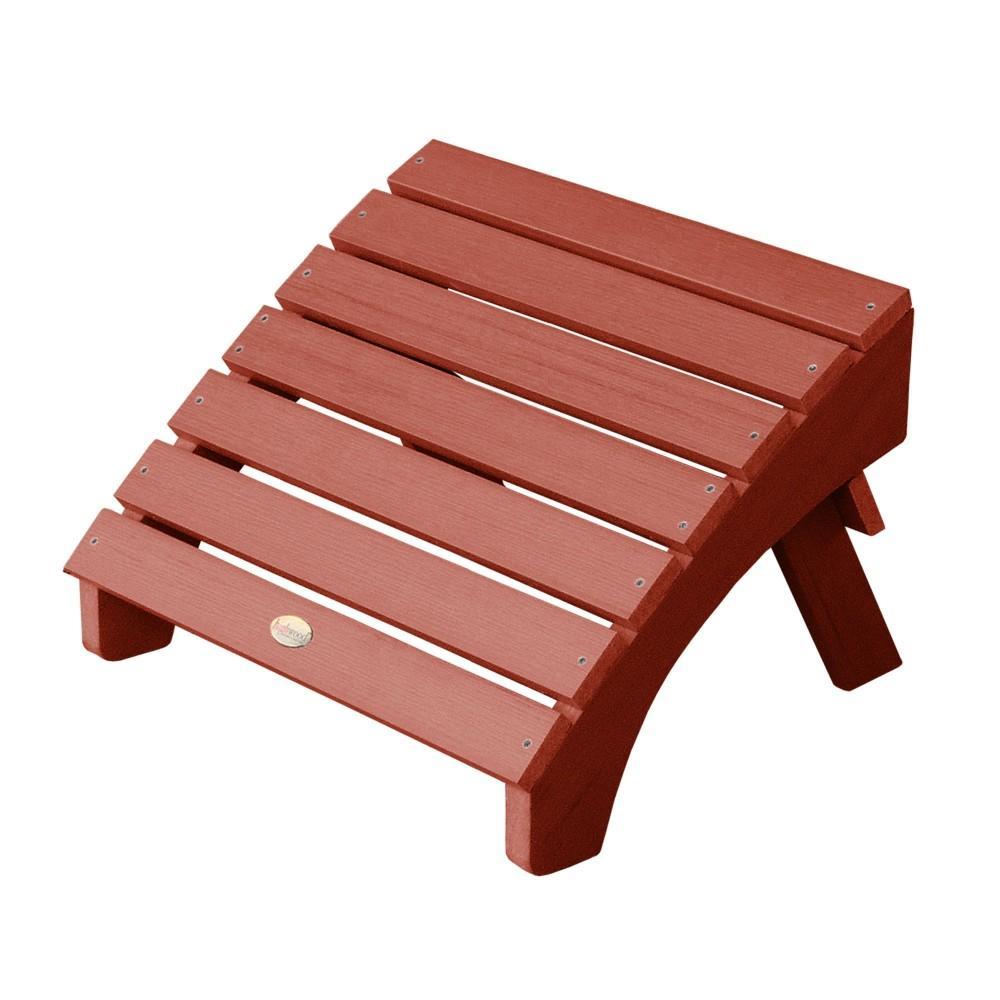
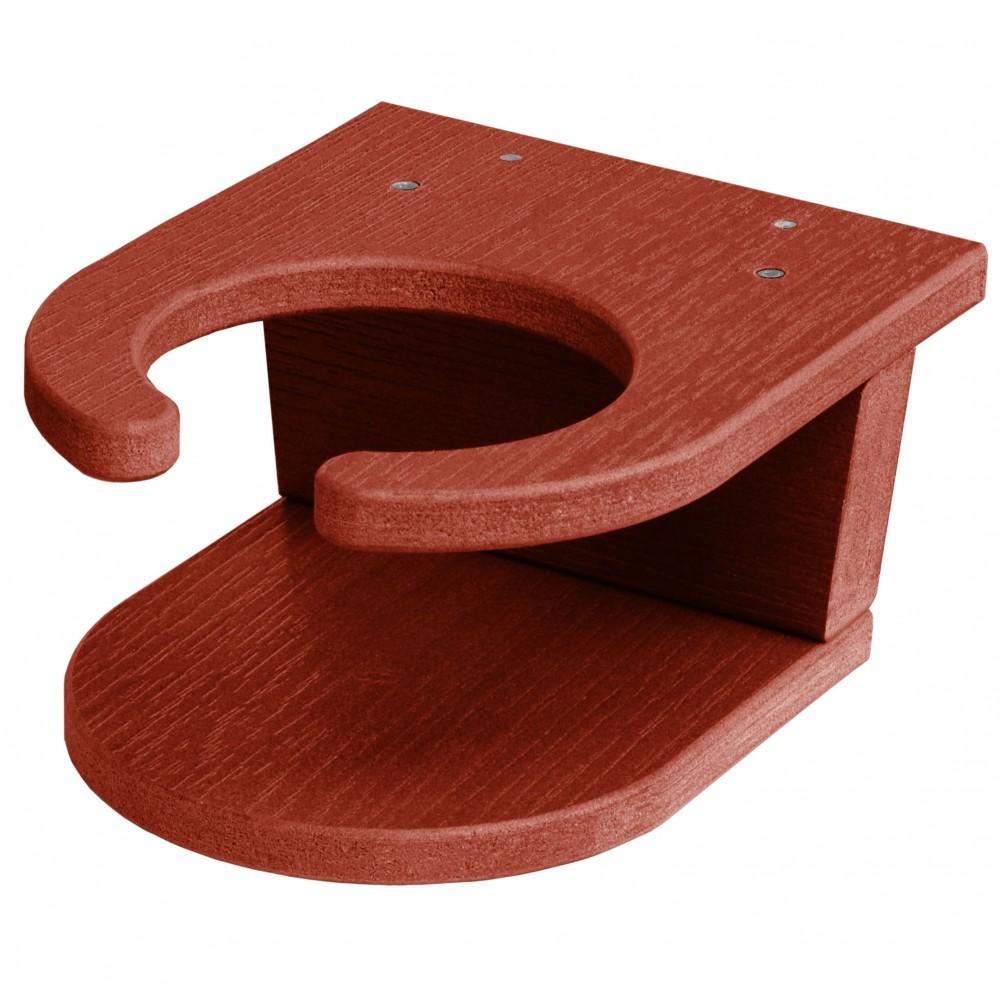
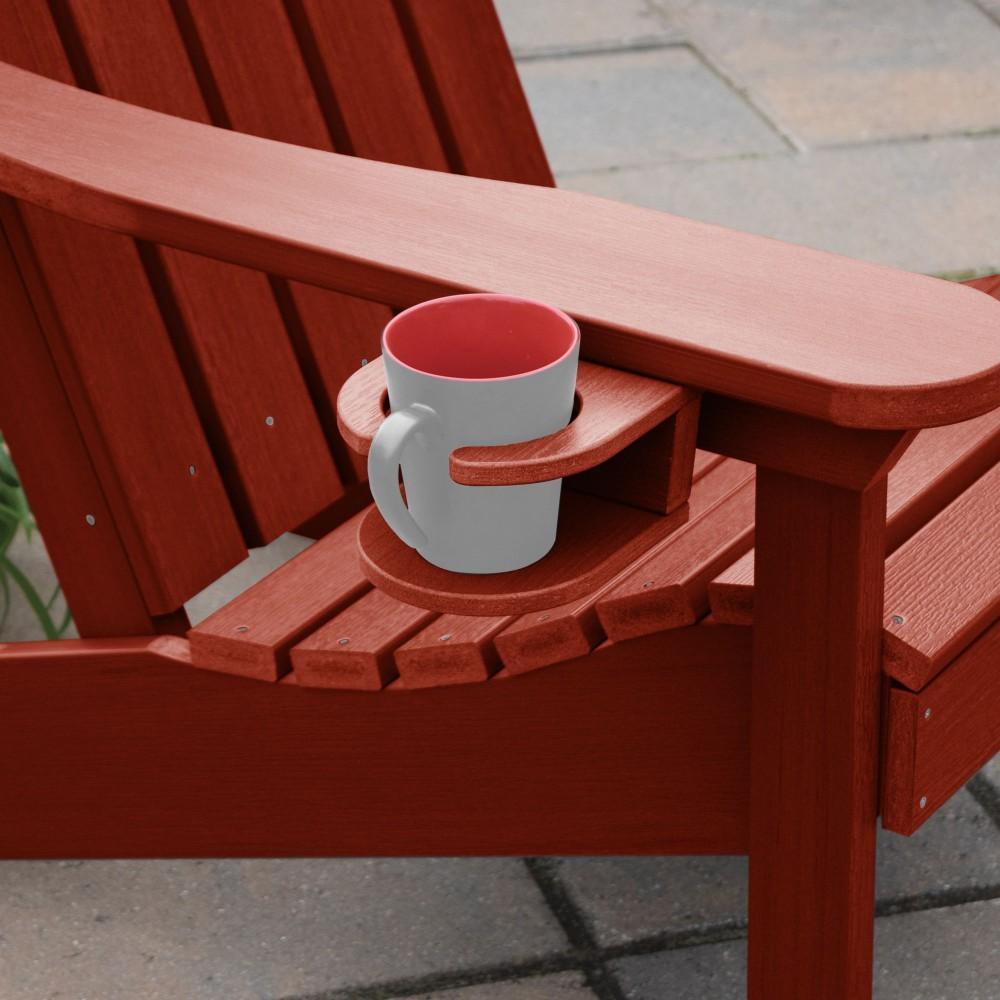
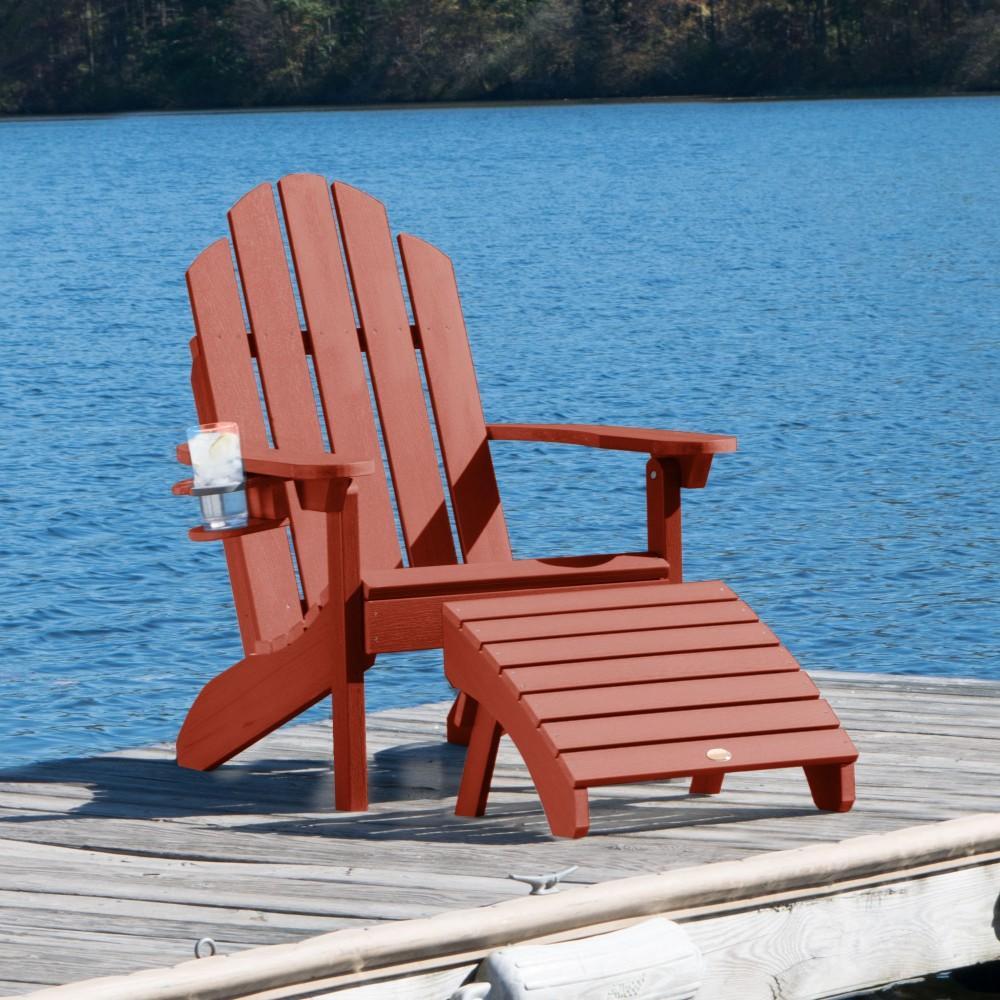
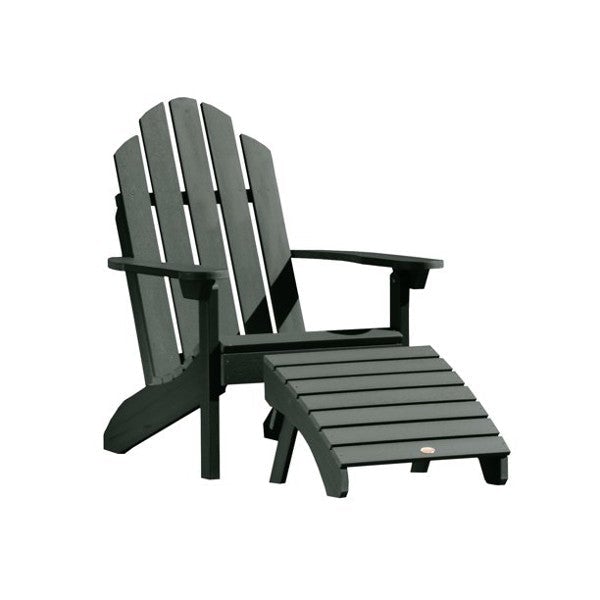
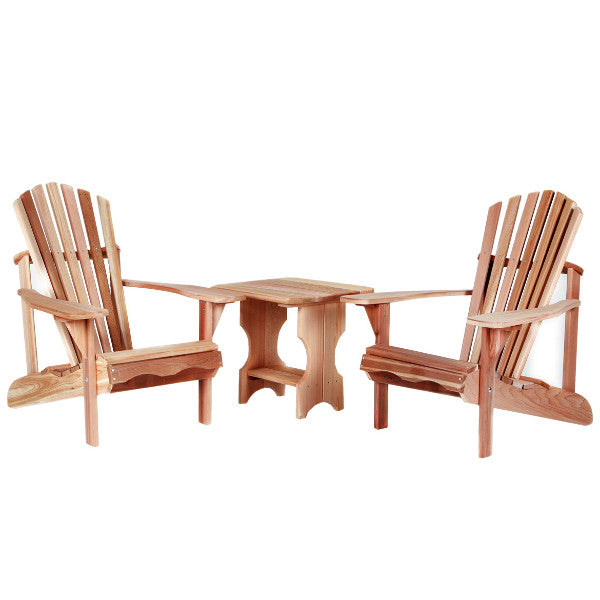
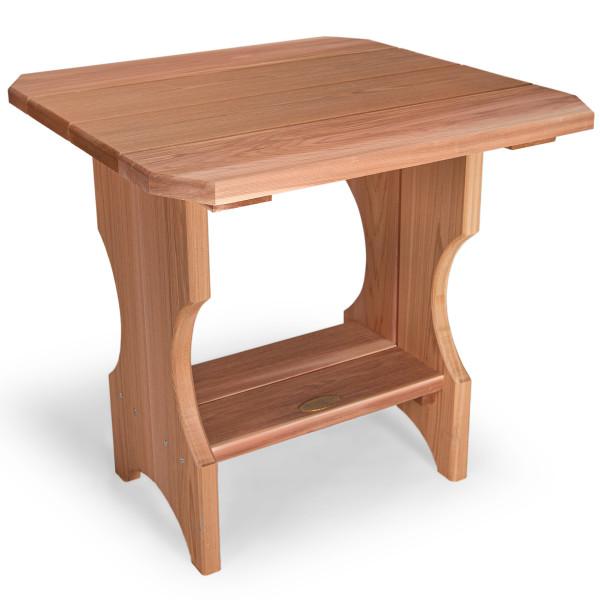
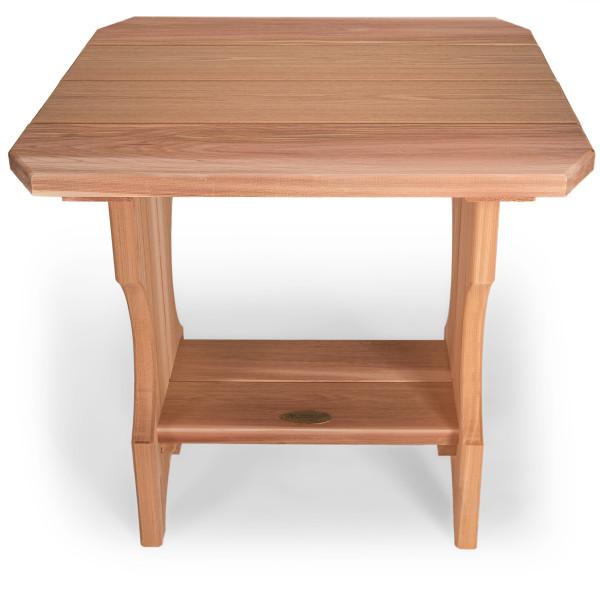
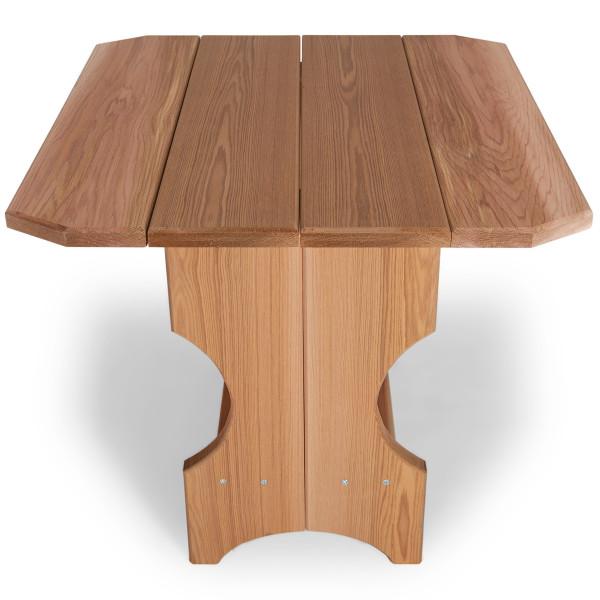
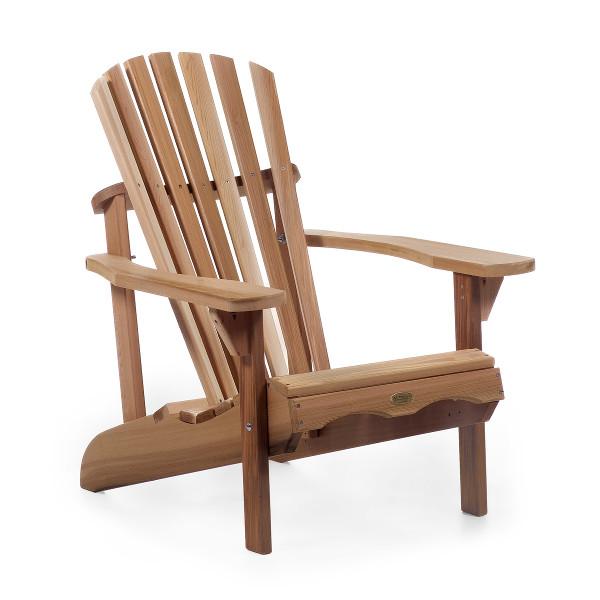
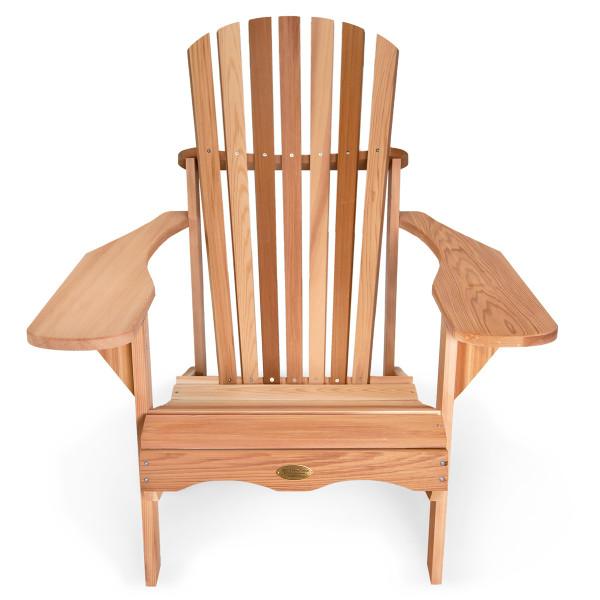
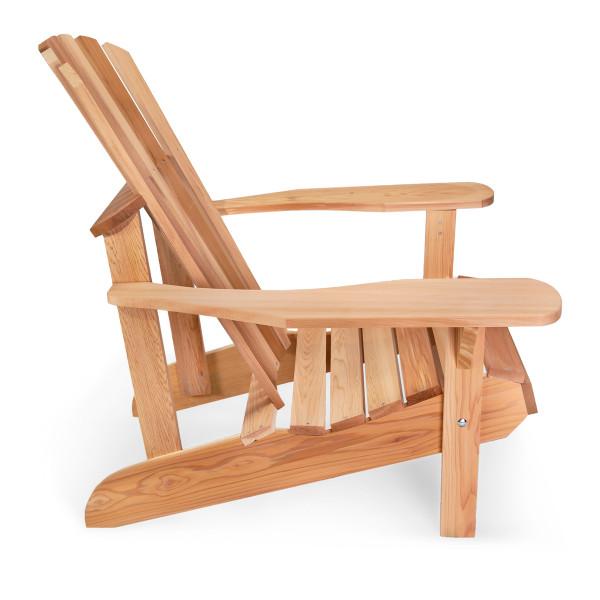
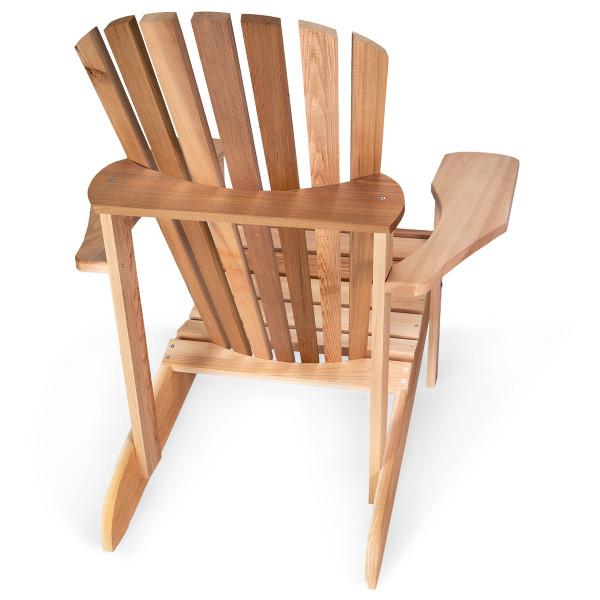
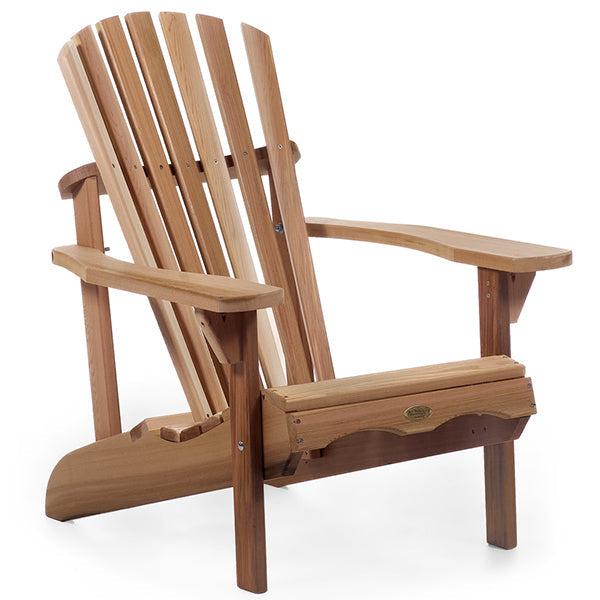
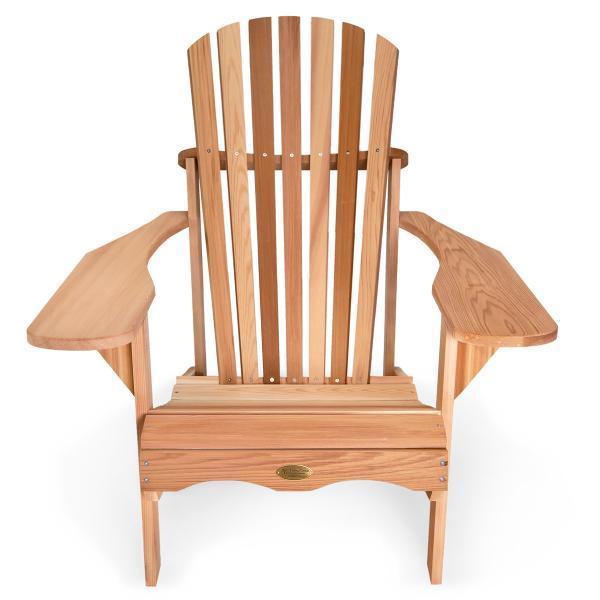
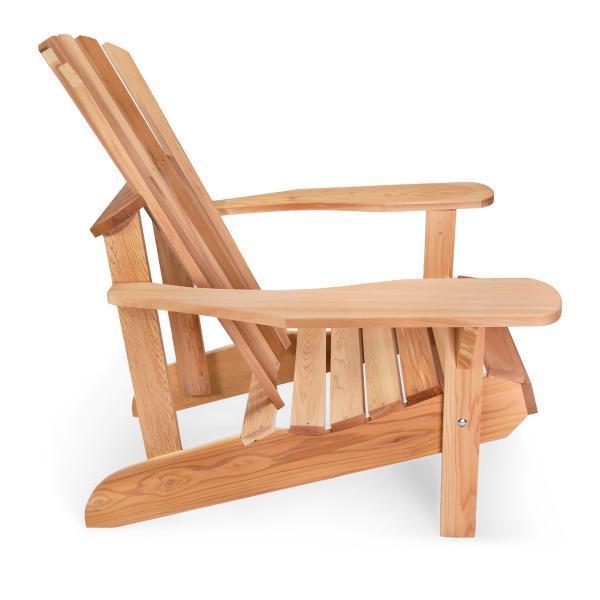
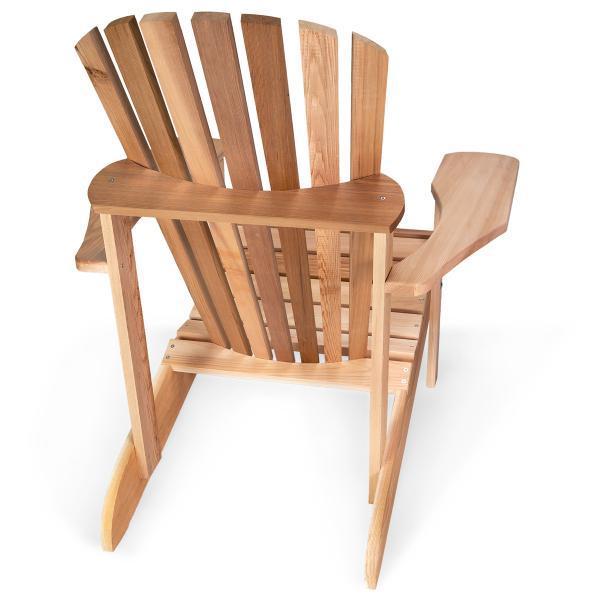
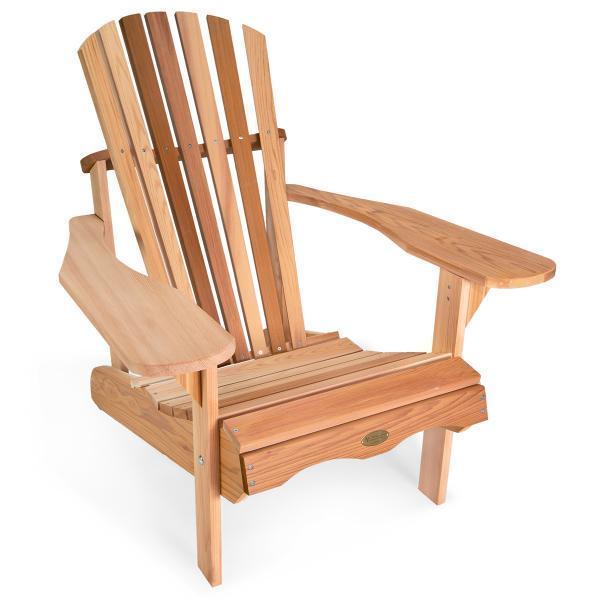
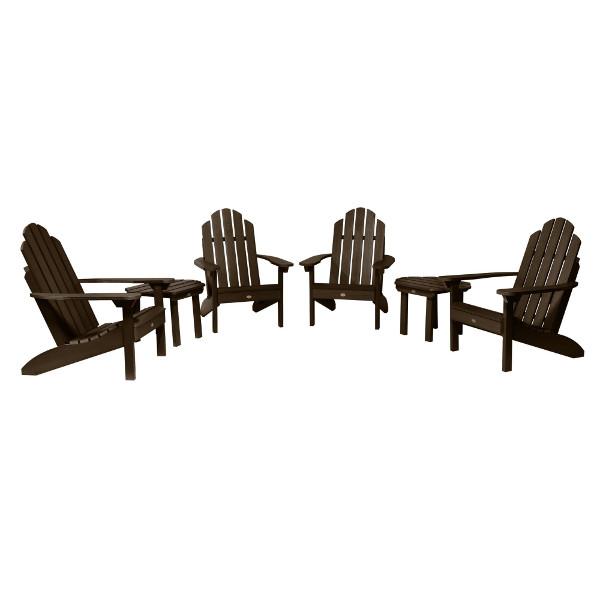
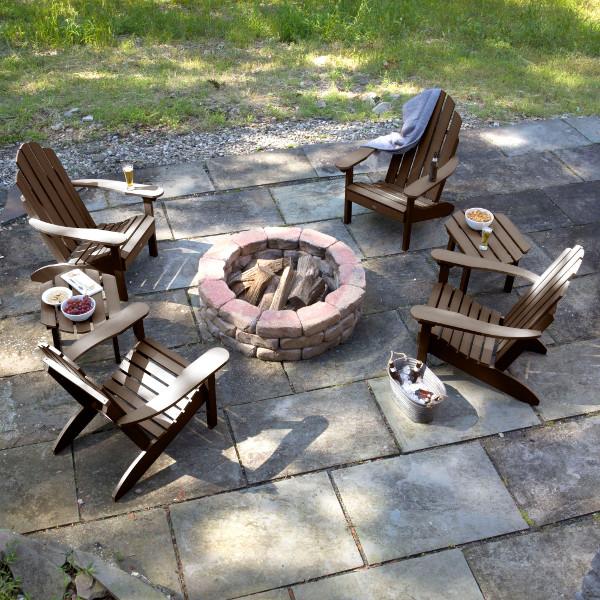
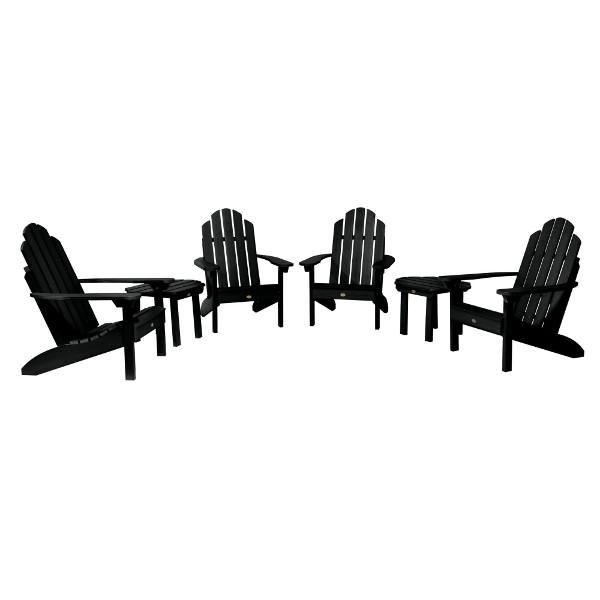
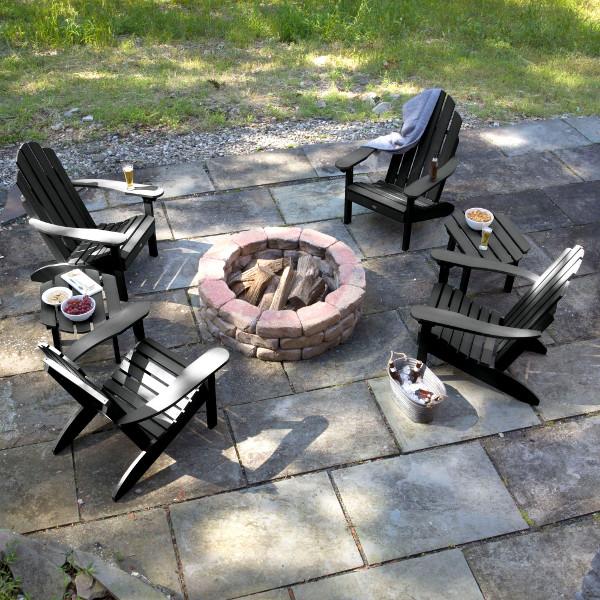
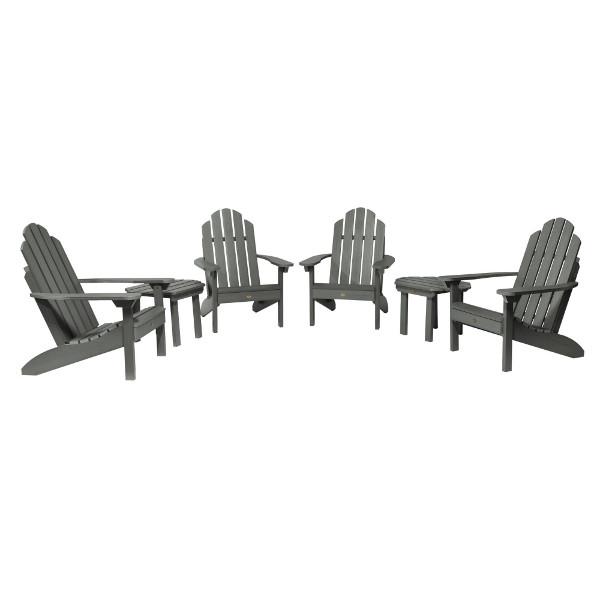
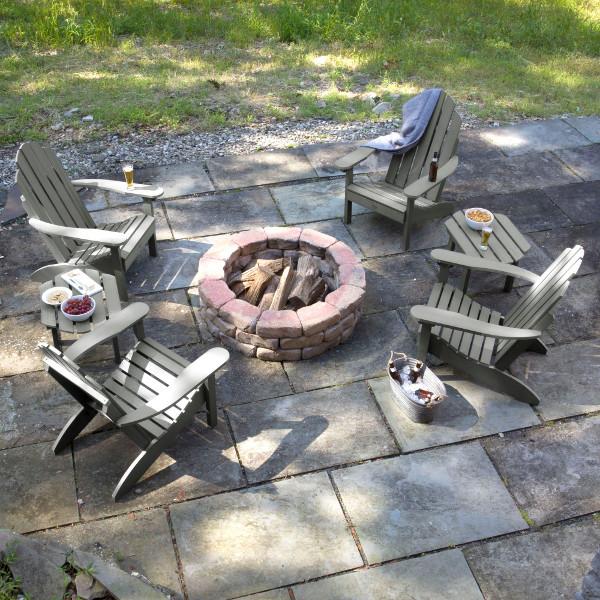
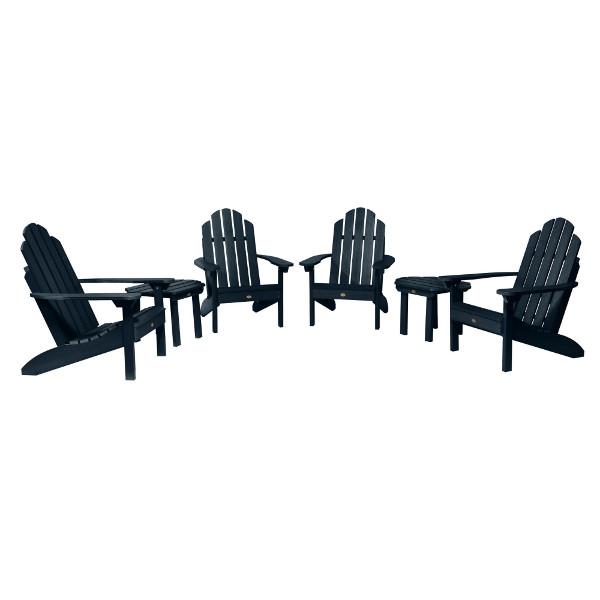
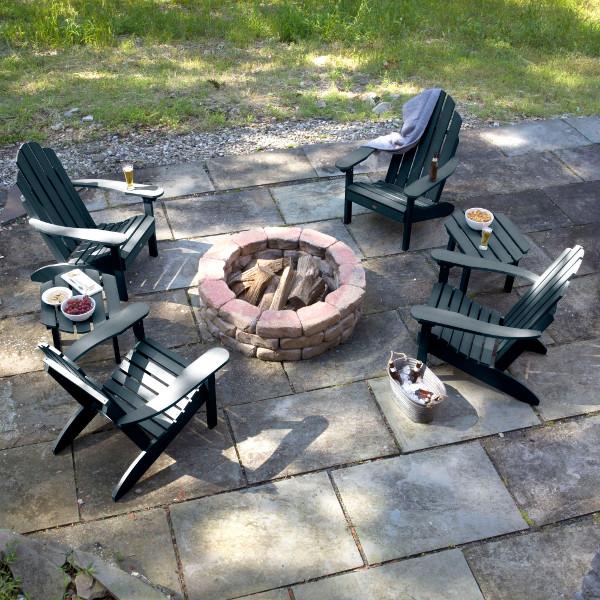
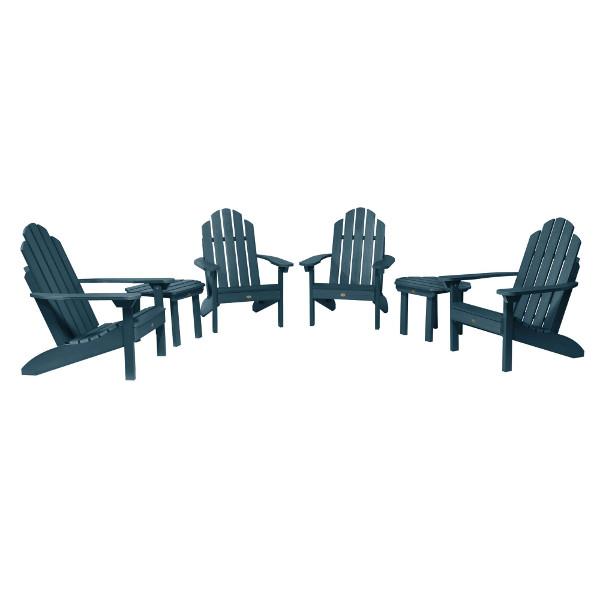
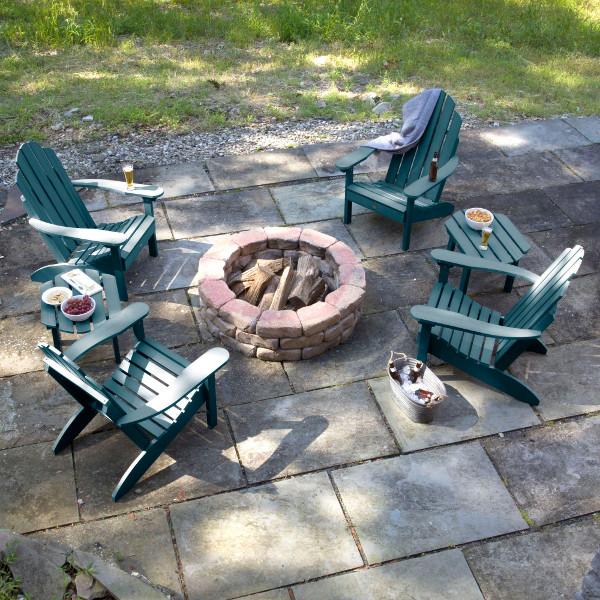
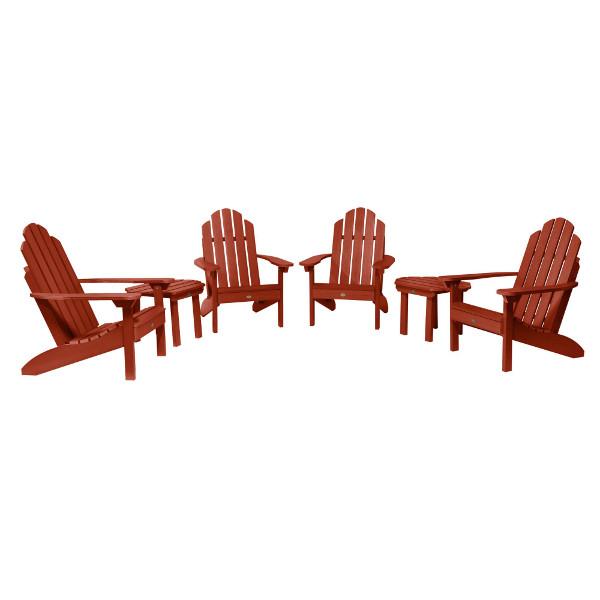
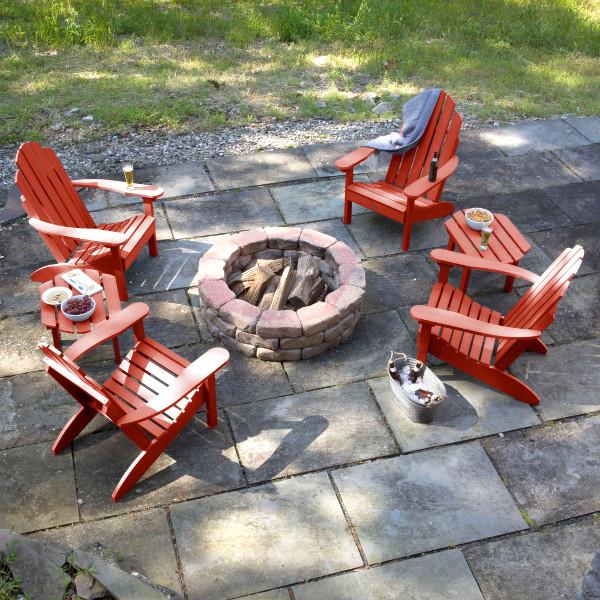
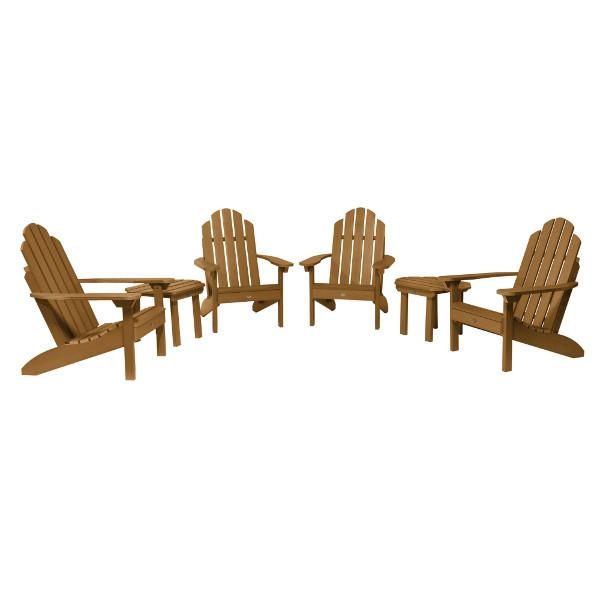
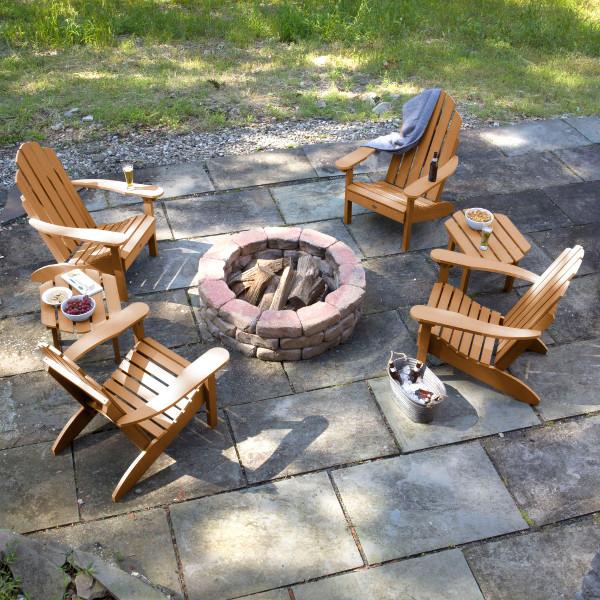
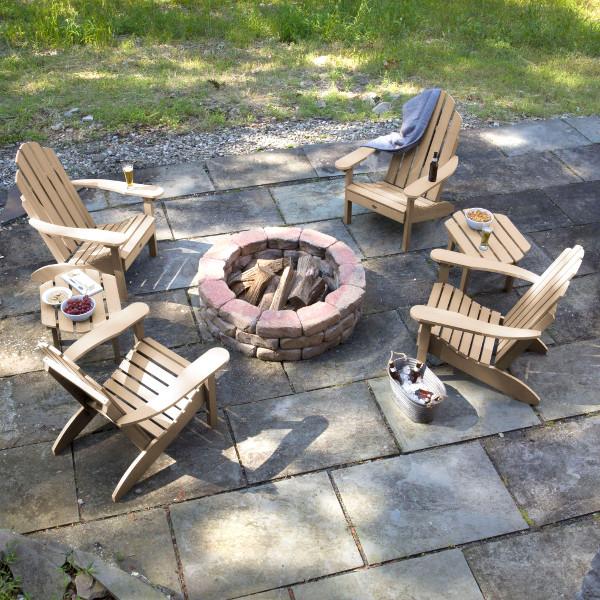
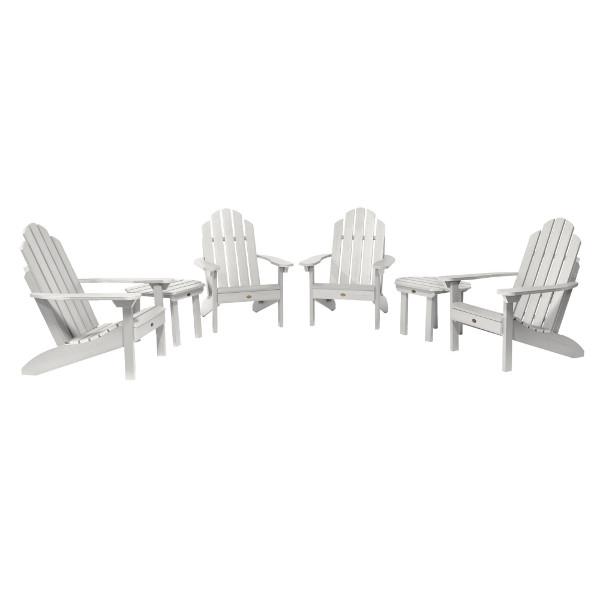
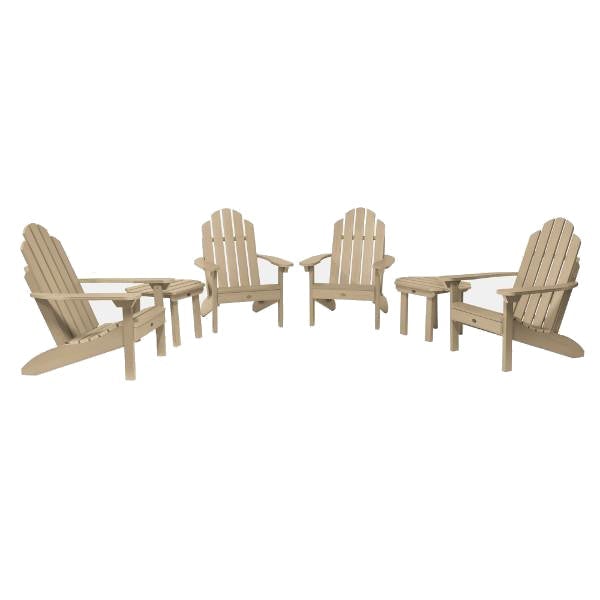
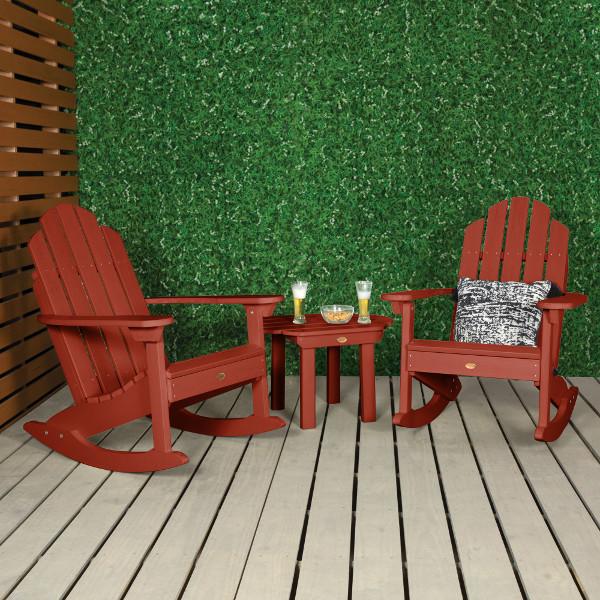
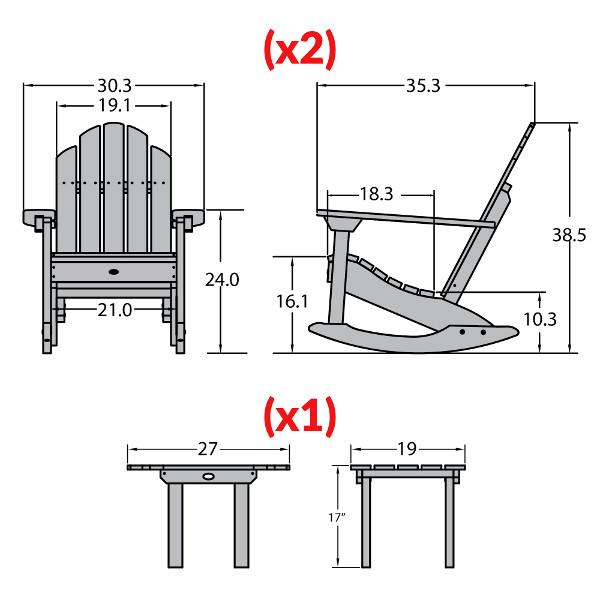
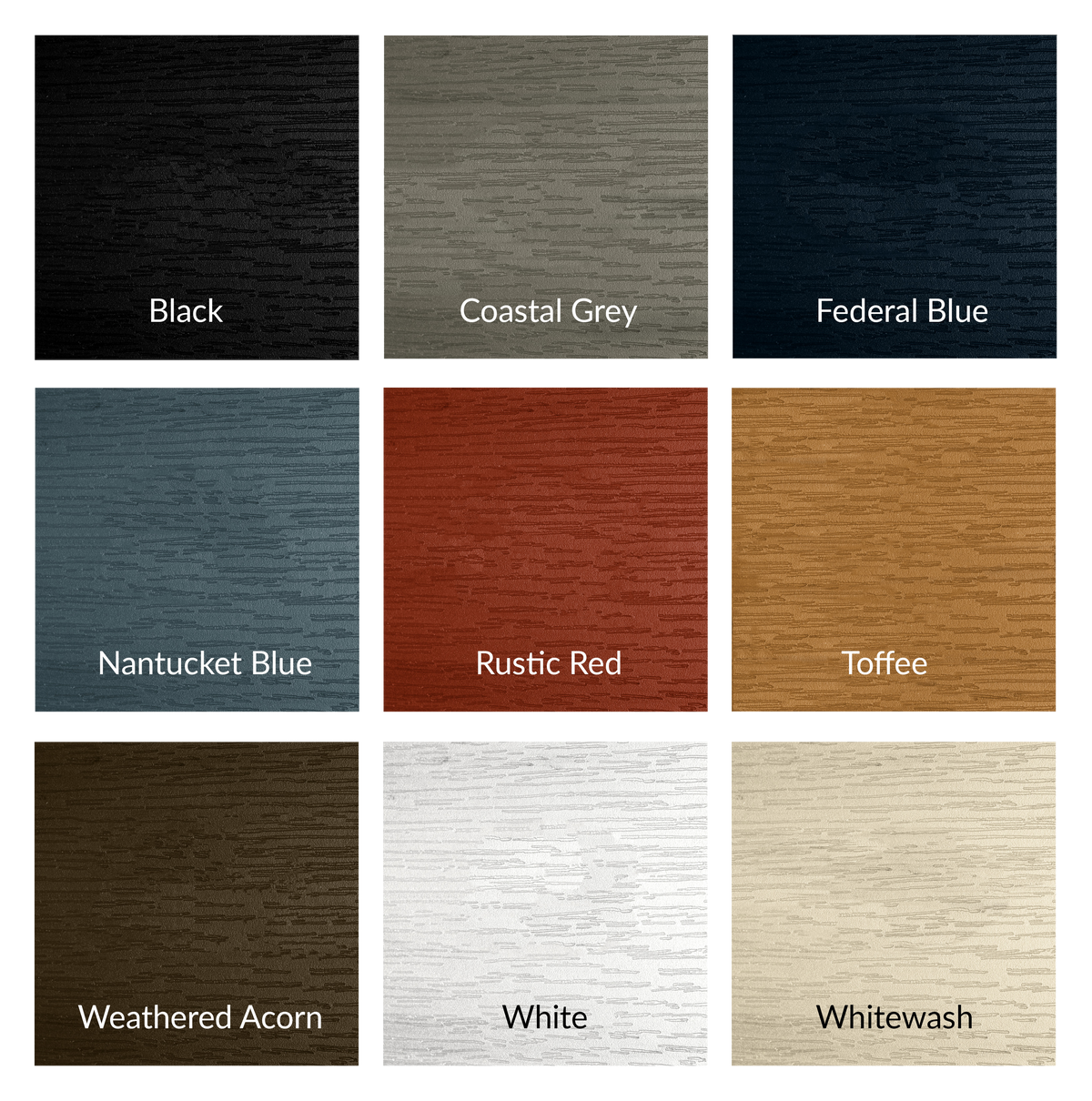
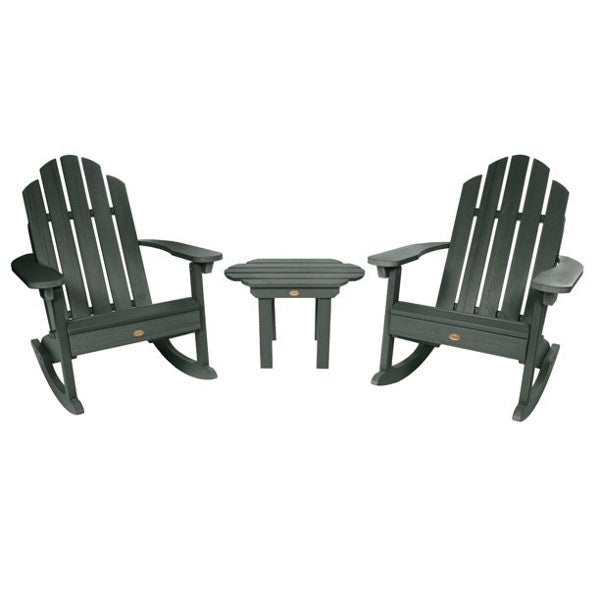
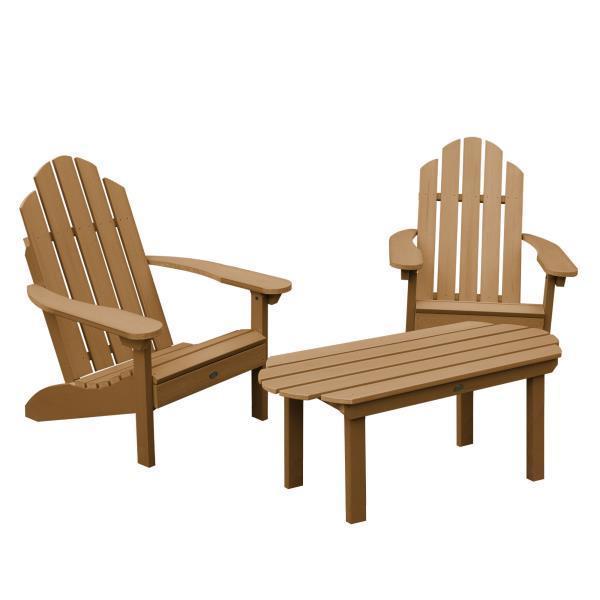
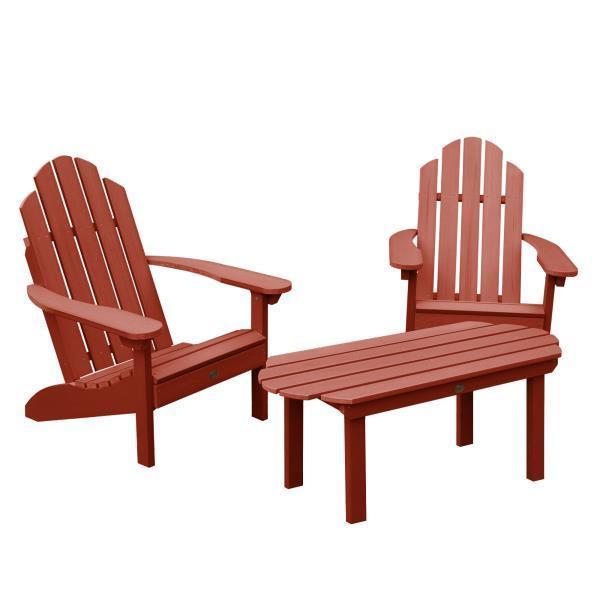
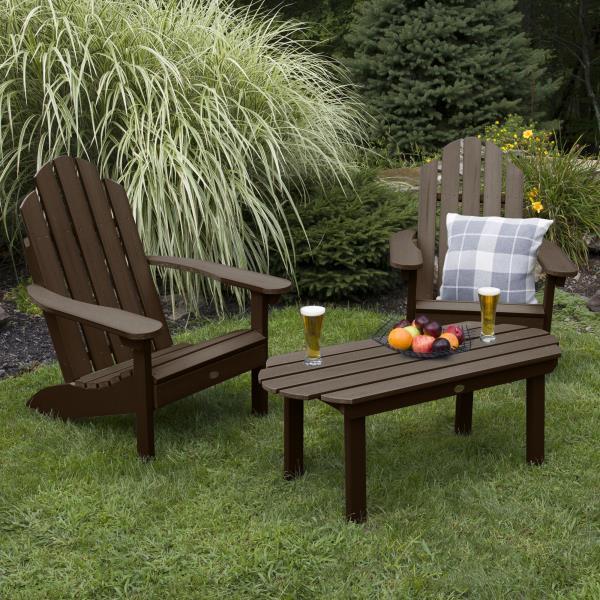
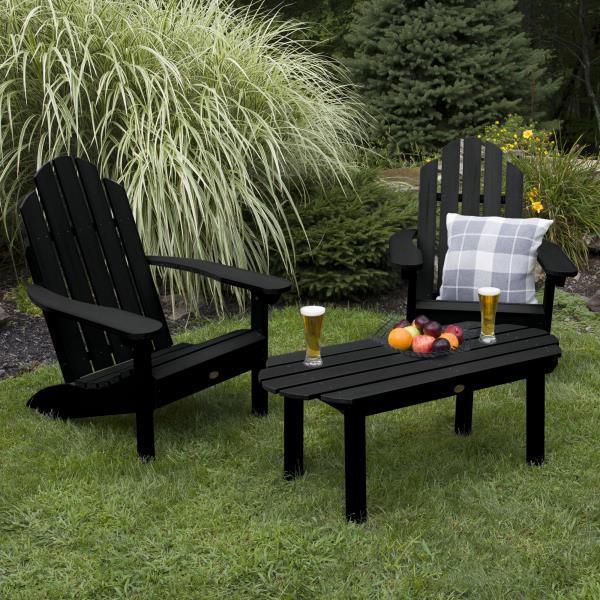
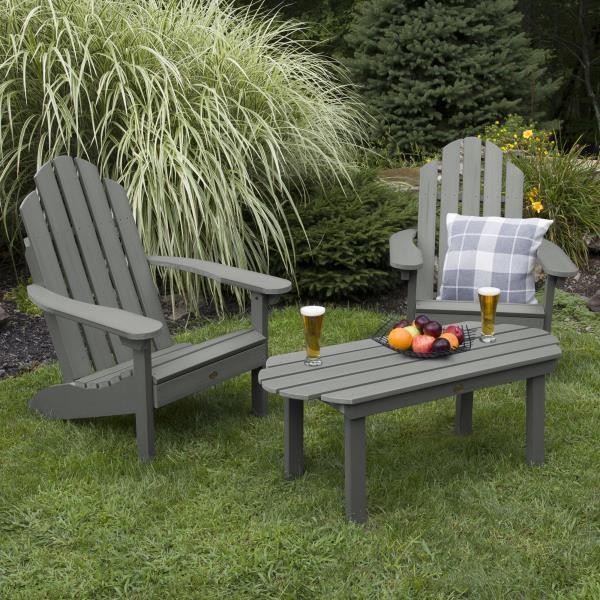
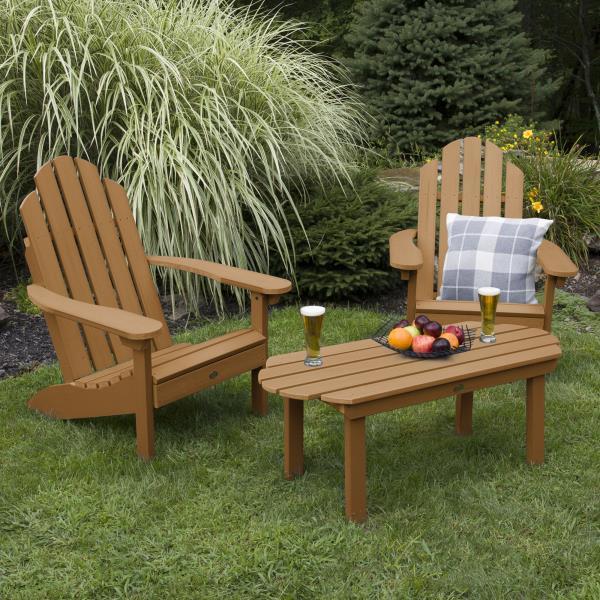
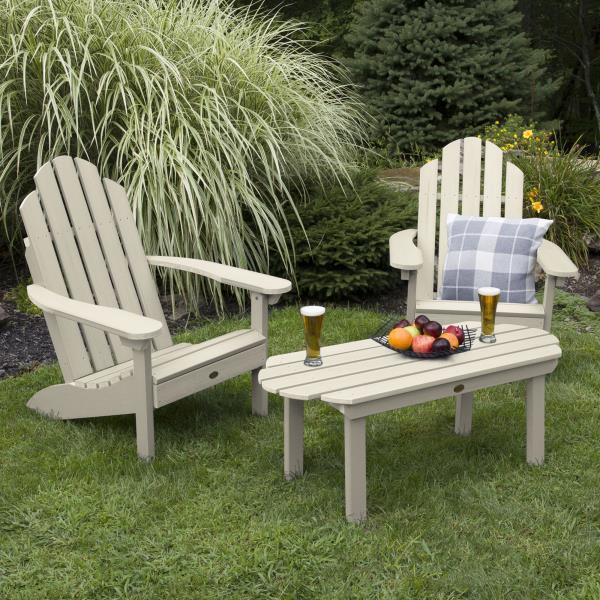
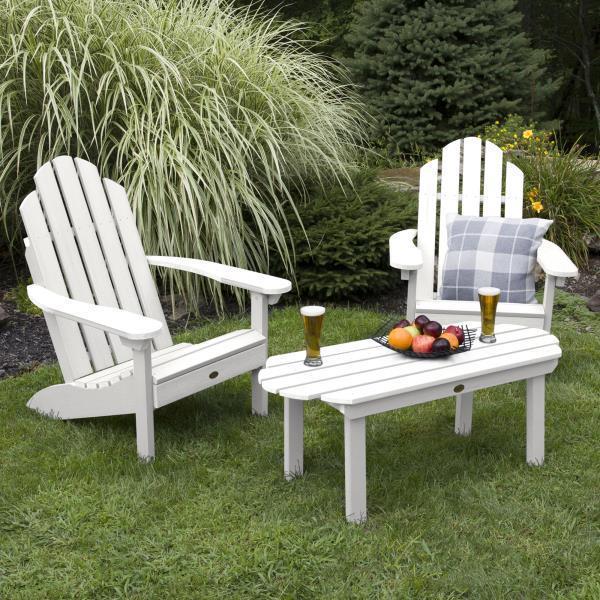
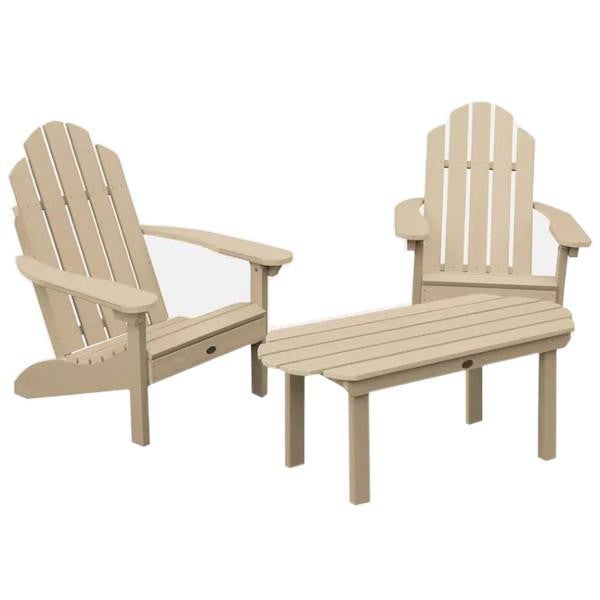
Stay calm, and spend time with friends and family while relaxing in the comfort of your backyard with these unique Adirondack Chairs! Designed for use in the great outdoors, they are perfect for a summer BBQ or enjoy a few moments of solitude while watching the sunset. Grab aside table for your outdoor essentials, a patio umbrella to keep you cool throughout the day, and an ottoman to rest your weary feet.
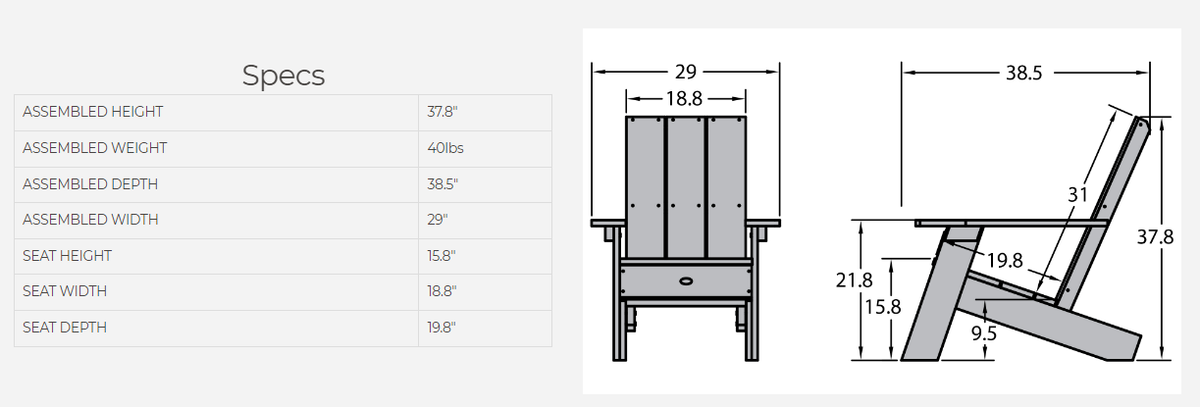
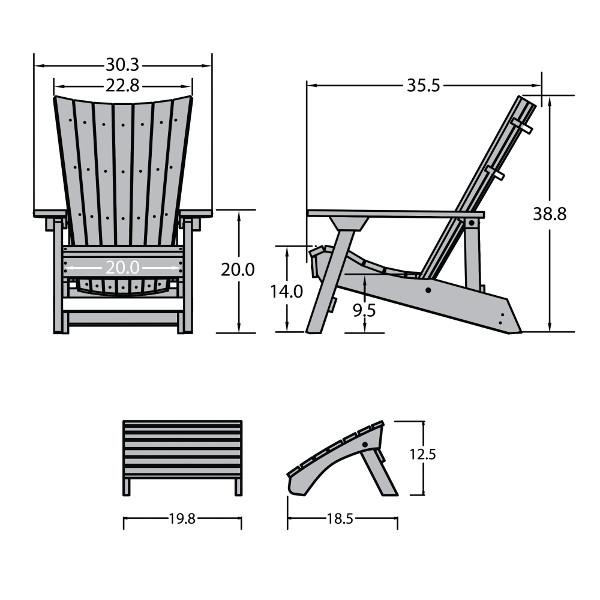
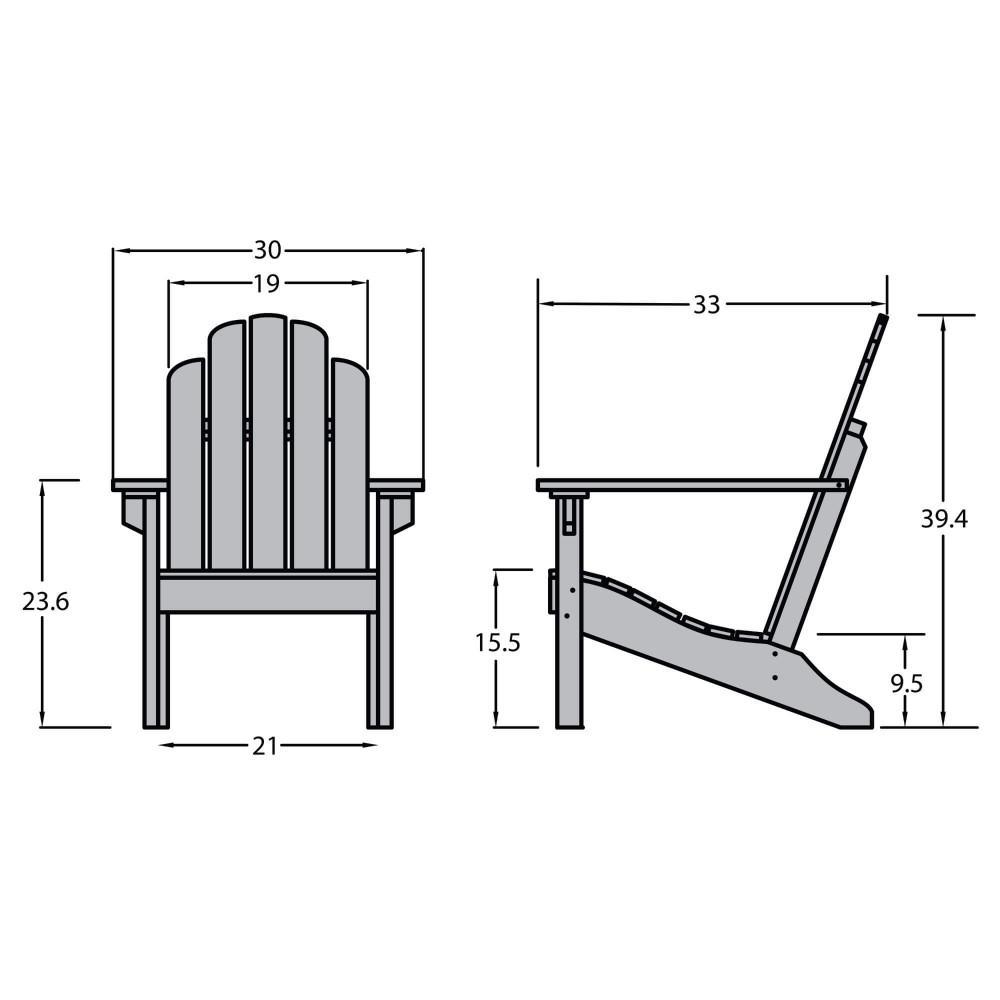
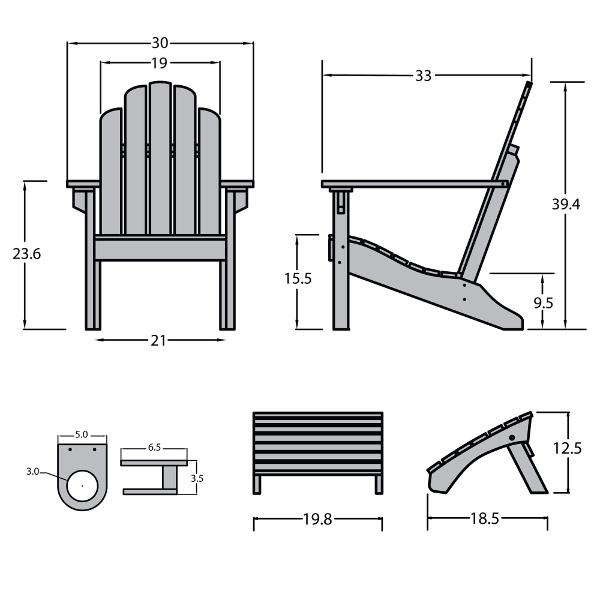
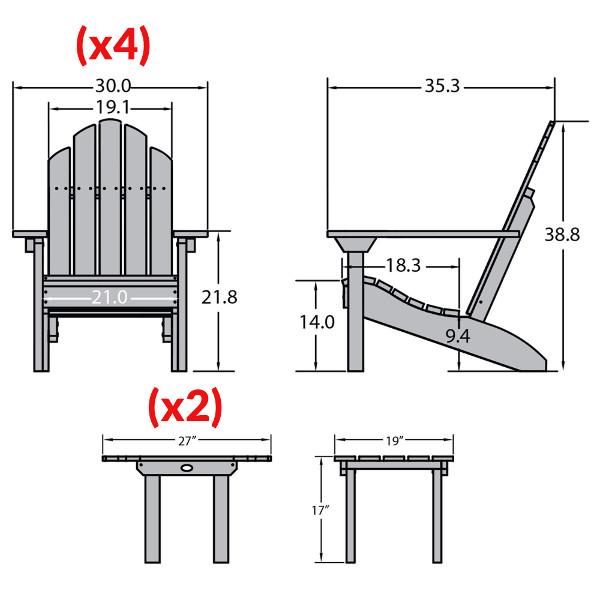
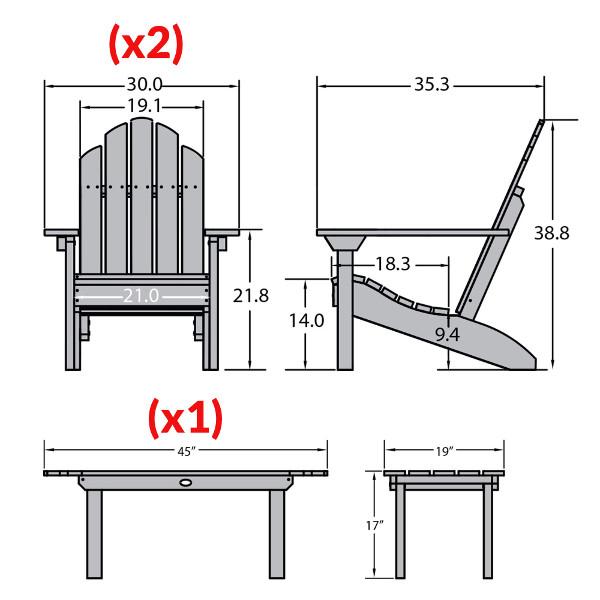
A: The traditional Adirondack chair is an iconic design distinguished by its specific dimensions and angles.
A: The choice of material dictates maintenance, longevity, and cost.
A: Wood chairs require specific care to prevent common failures like splitting and joint loosening.
A: The low seat is a feature, but it can be modified for accessibility.
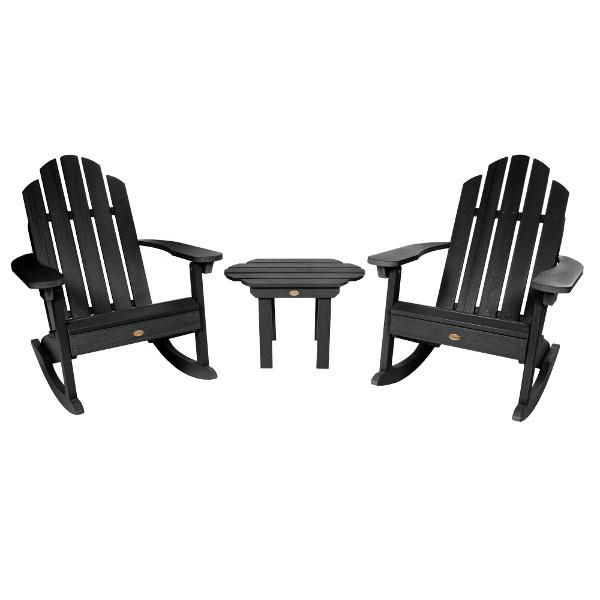
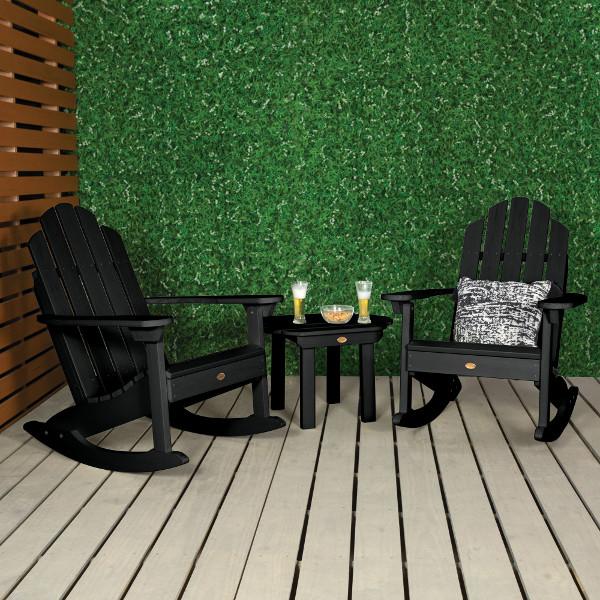
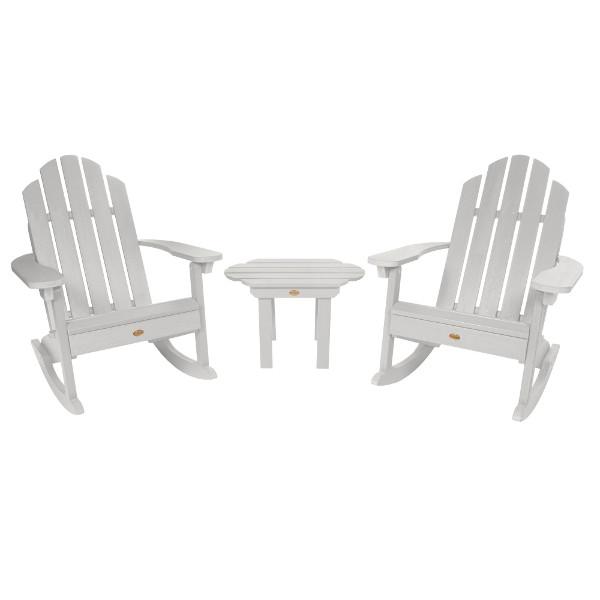
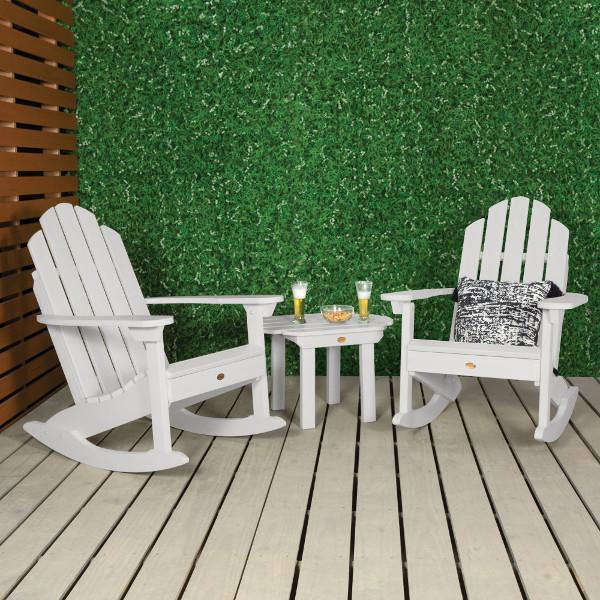
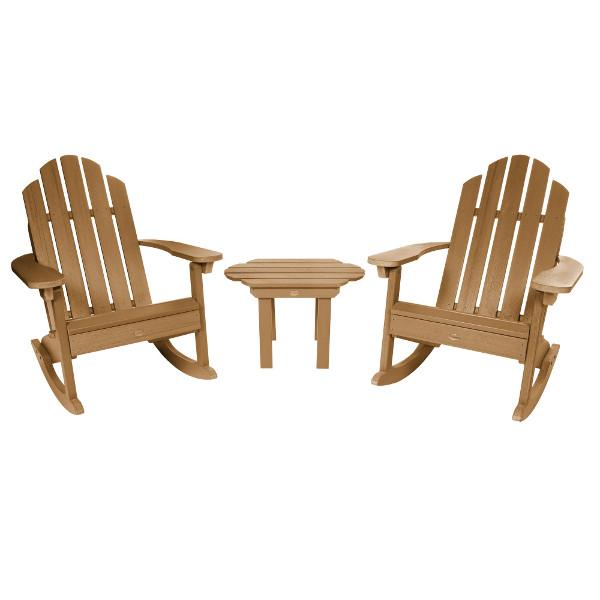
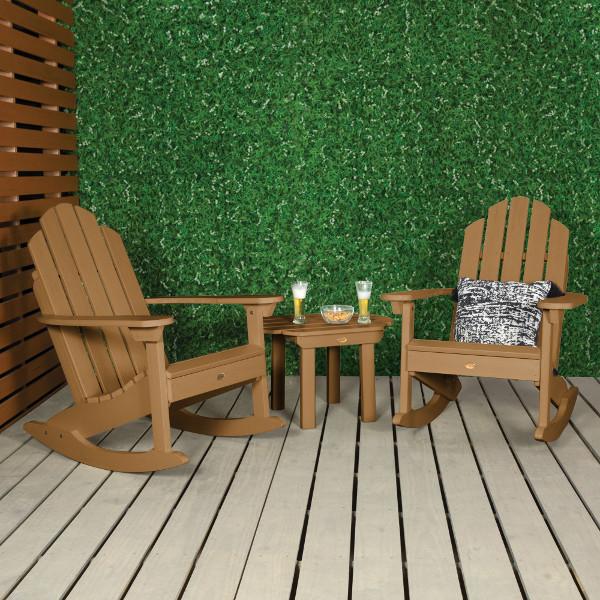
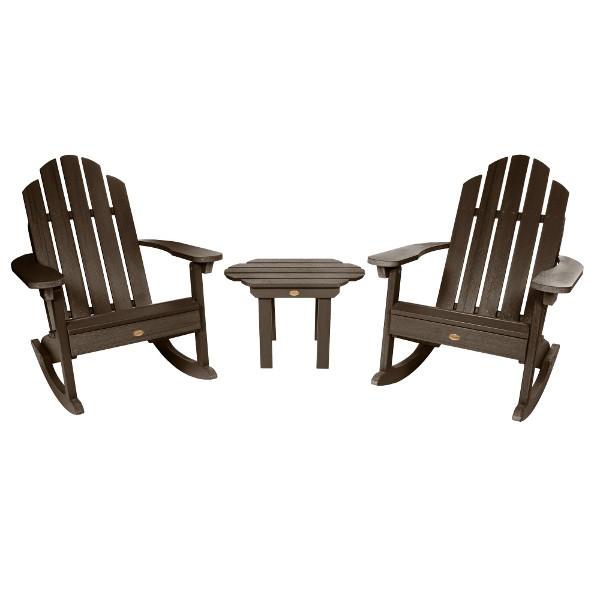
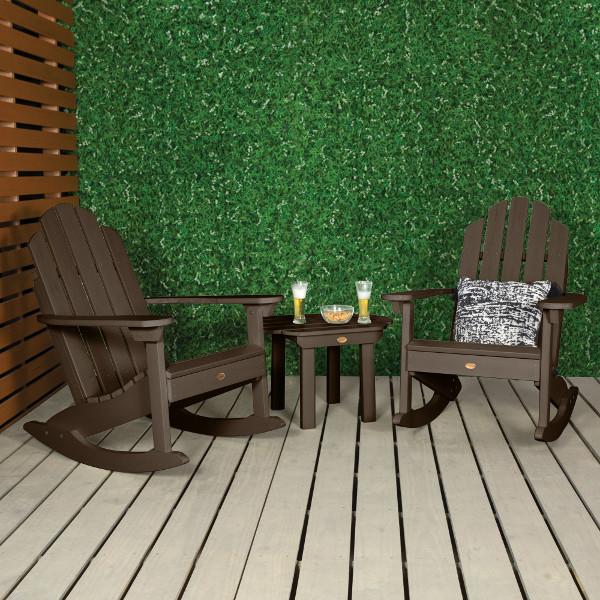
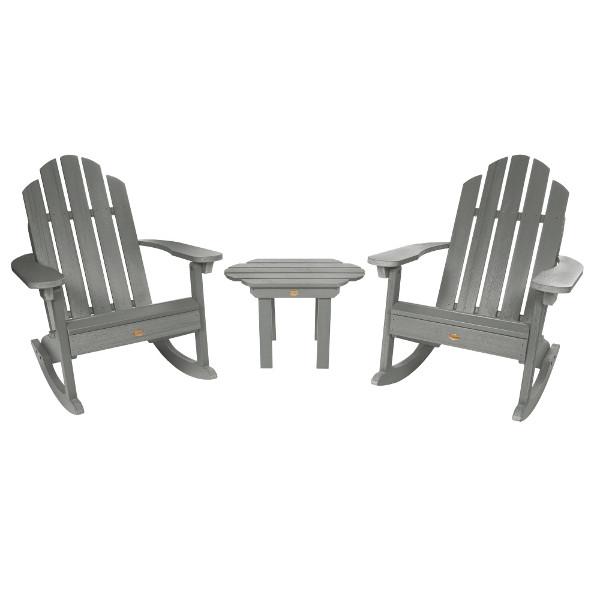
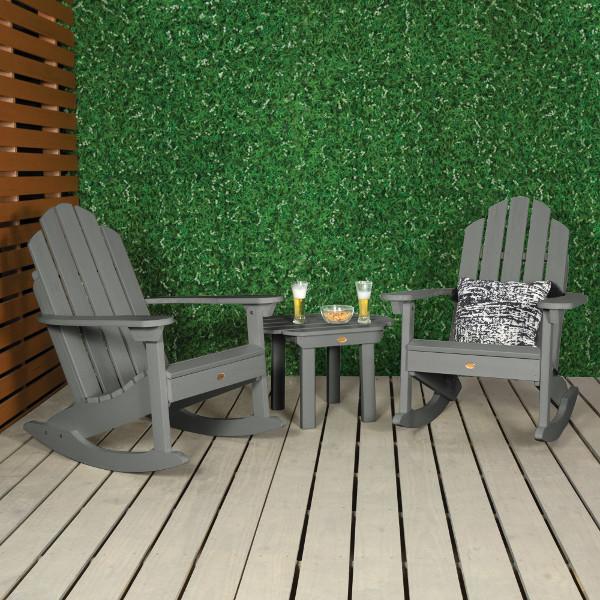
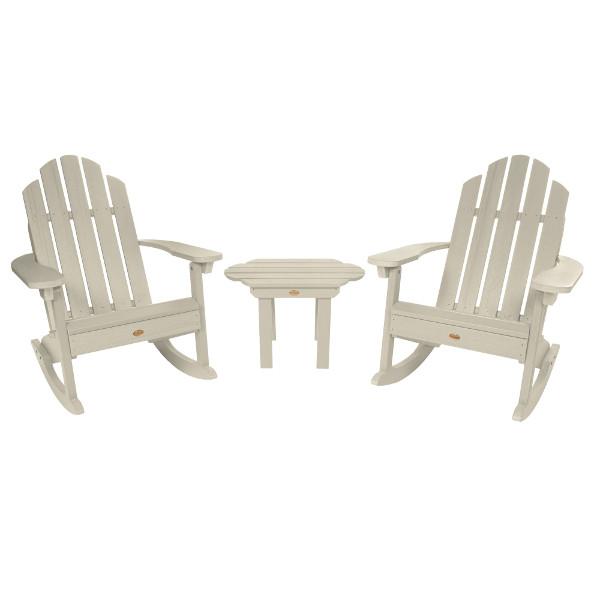
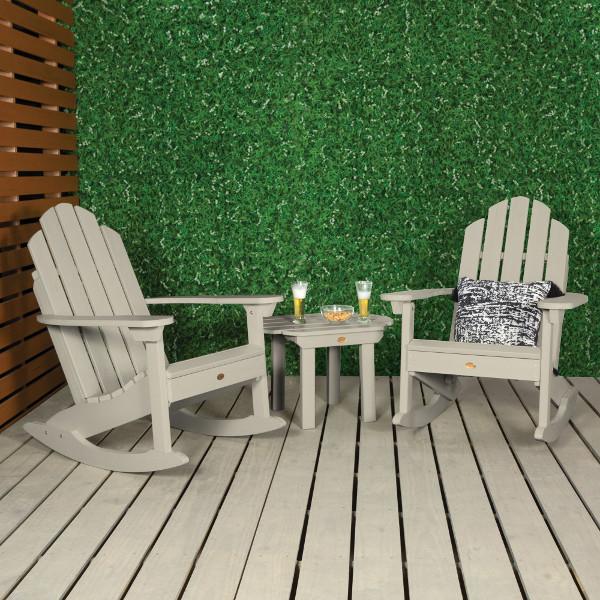
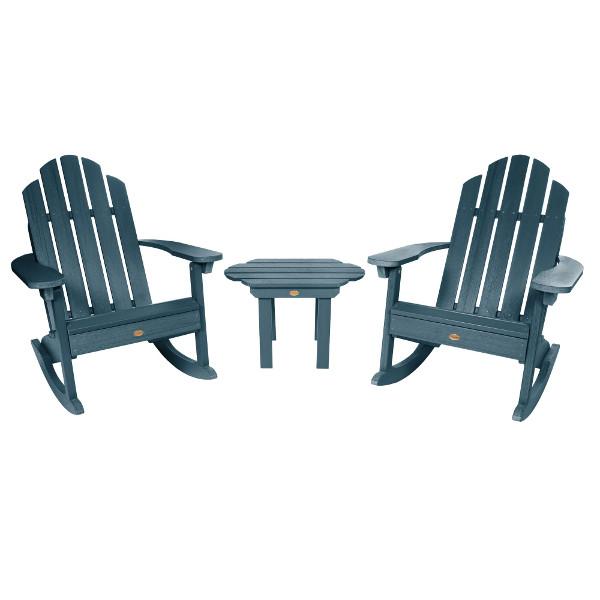
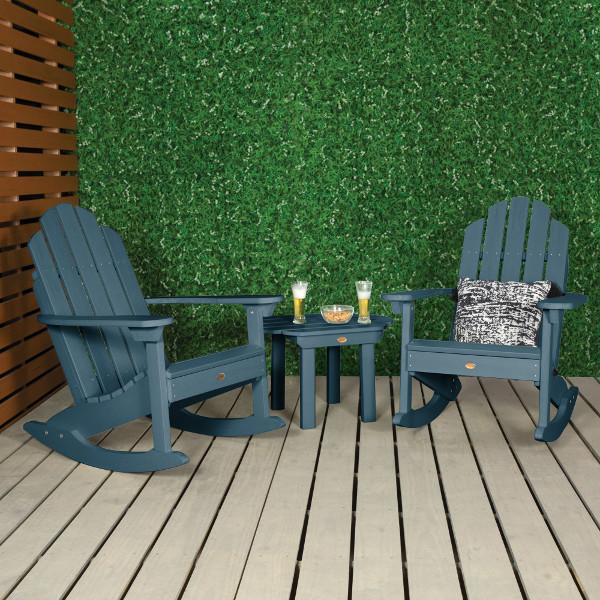
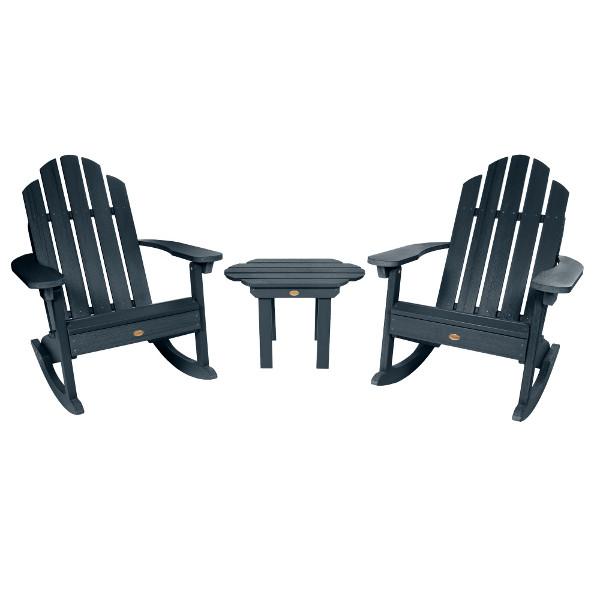
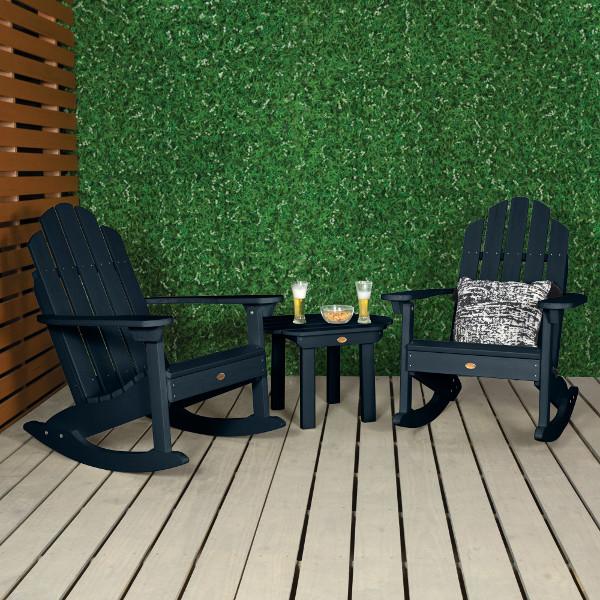
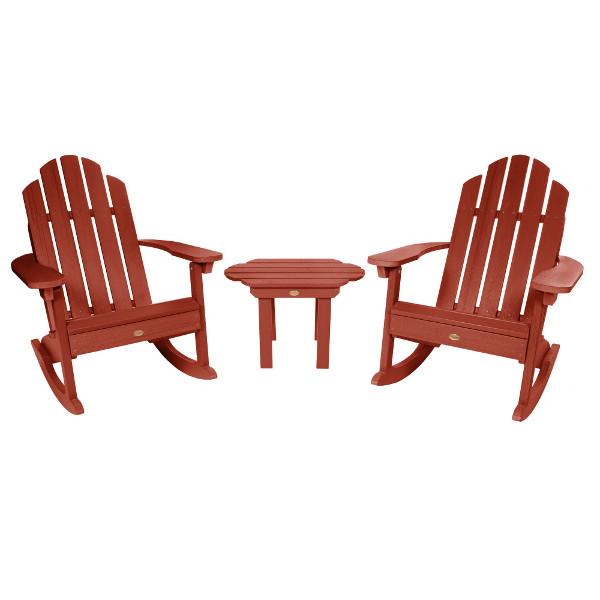
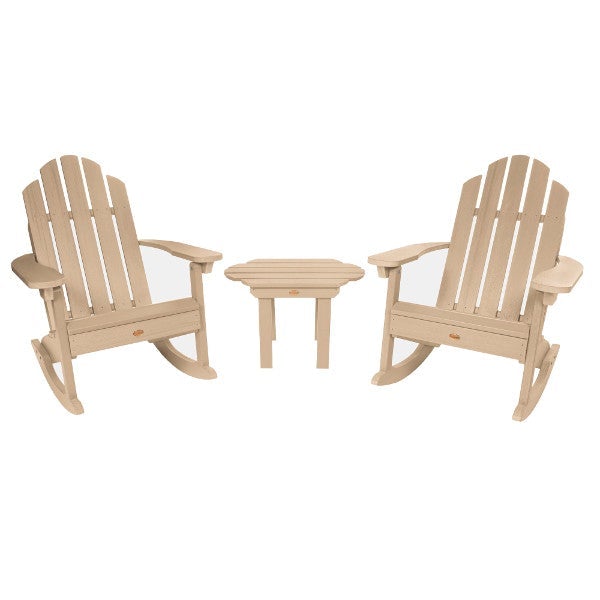
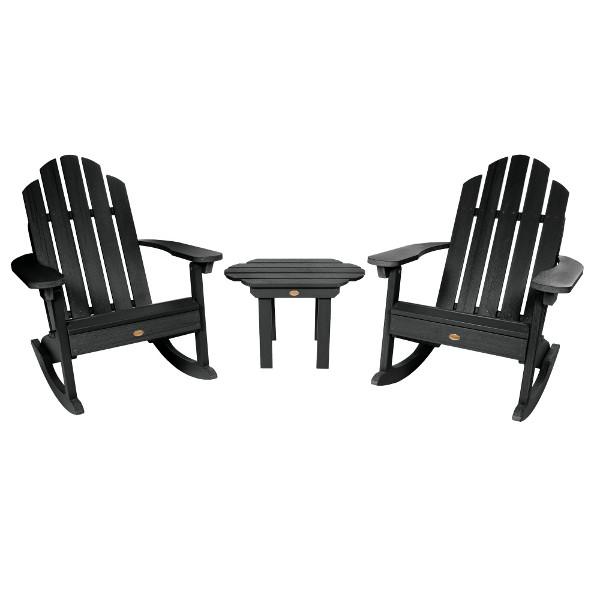

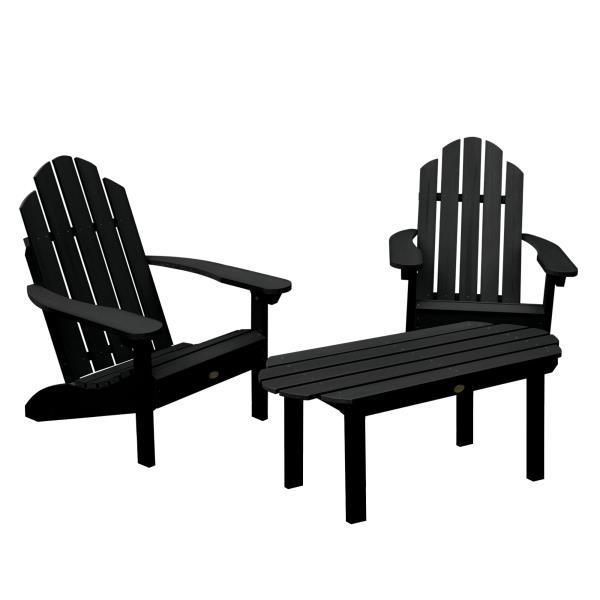
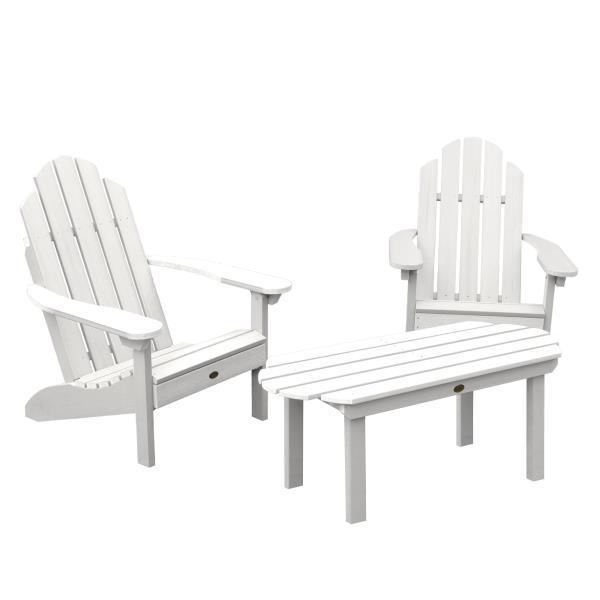
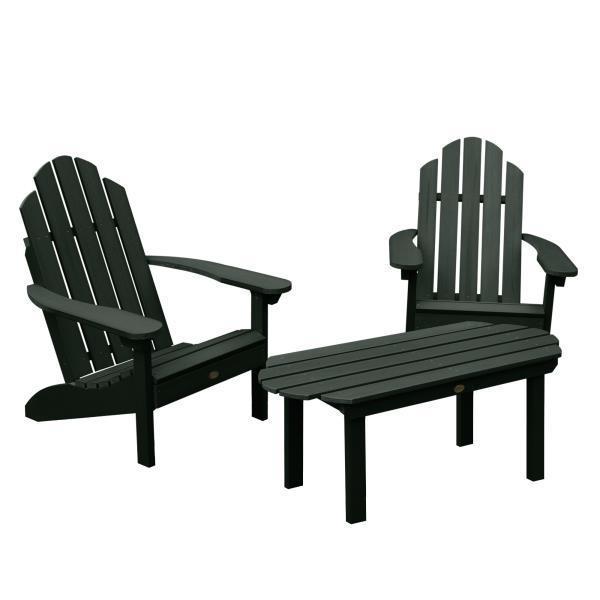
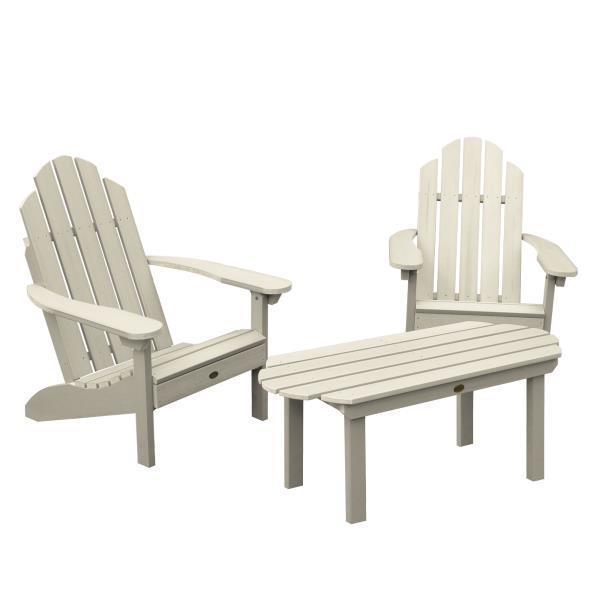
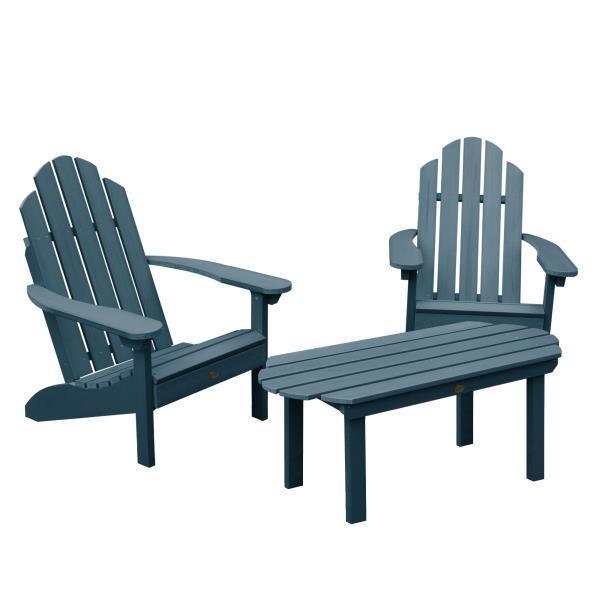
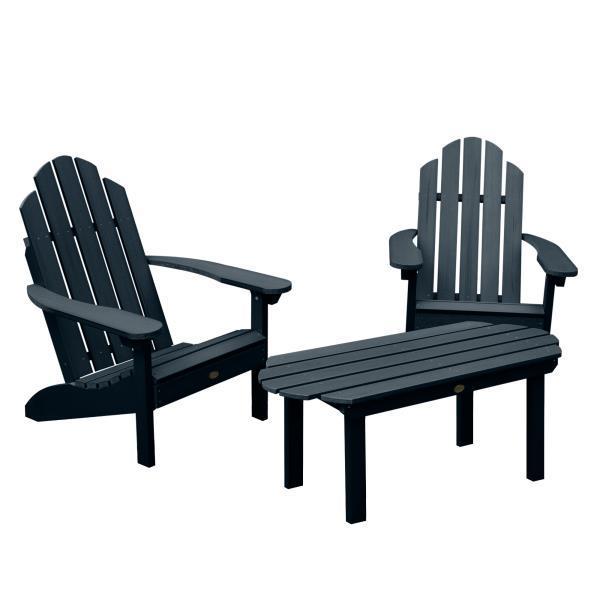
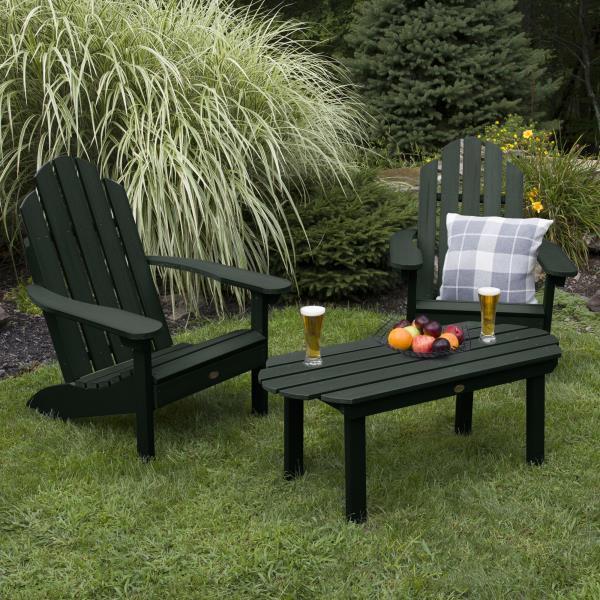
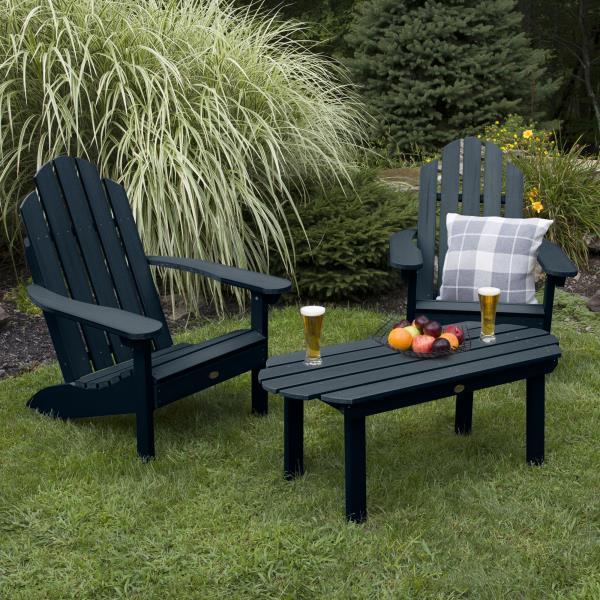
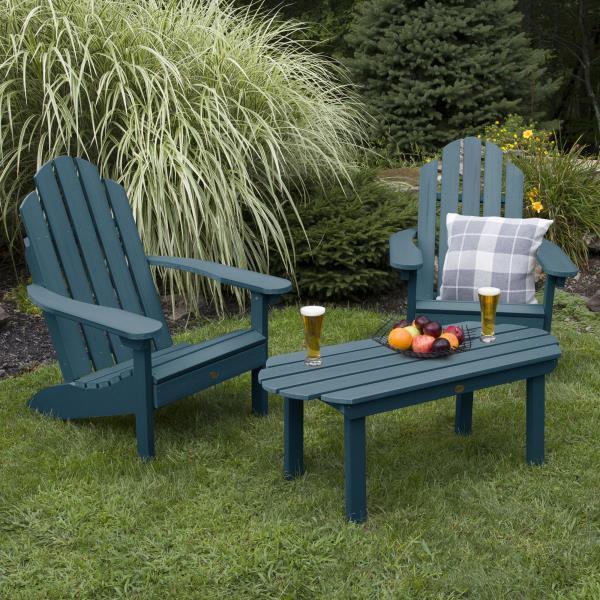
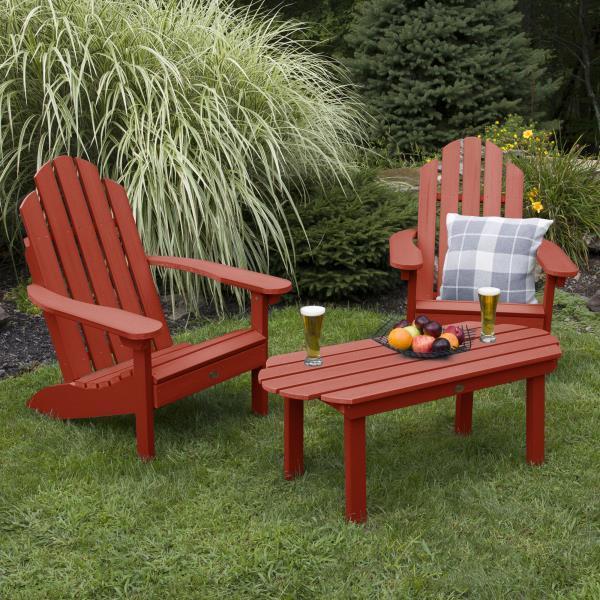











Stay calm, and spend time with friends and family while relaxing in the comfort of your backyard with these unique Adirondack Chairs! Designed for use in the great outdoors, they are perfect for a summer BBQ or enjoy a few moments of solitude while watching the sunset. Grab aside table for your outdoor essentials, a patio umbrella to keep you cool throughout the day, and an ottoman to rest your weary feet.
A: The traditional Adirondack chair is an iconic design distinguished by its specific dimensions and angles.
A: The choice of material dictates maintenance, longevity, and cost.
A: Wood chairs require specific care to prevent common failures like splitting and joint loosening.
A: The low seat is a feature, but it can be modified for accessibility.